


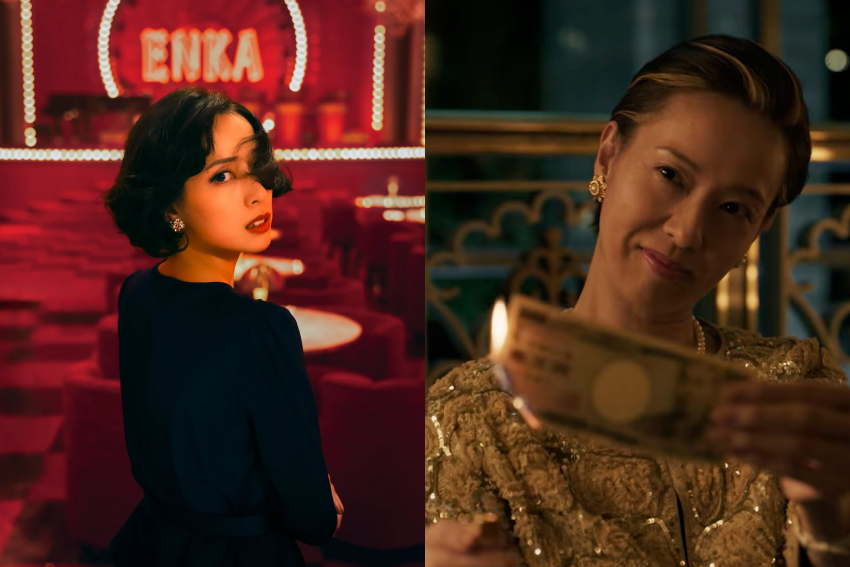
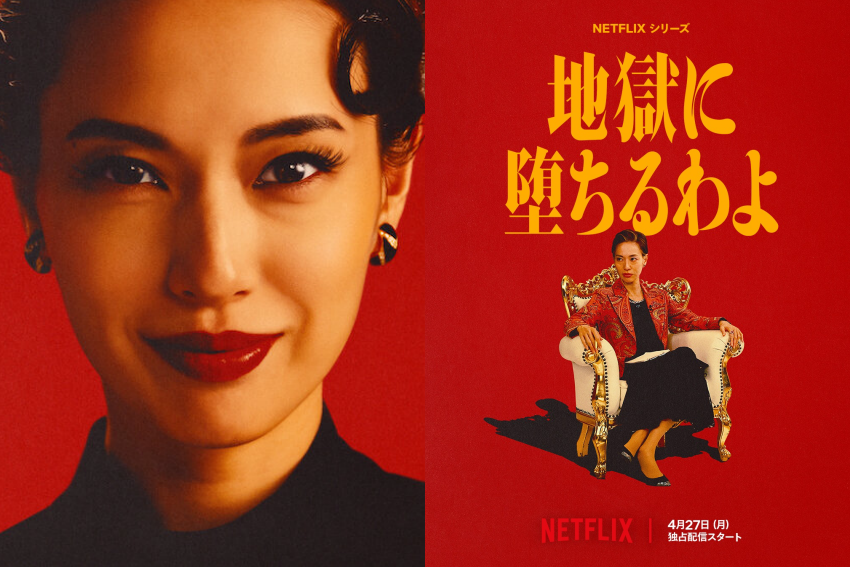
Netflix Japanese drama Straight to Hell premiered April 27 and quickly topped streaming charts in Taiwan and Japan, according to Netflix, reigniting public interest in the controversial life of astrologer Kazuko Hosoki.
One biopic, many shocks
The series is a nine episode dramatization that casts Erika Toda as the central figure, and Toma Ikuta as a powerful mob figure who influences her rise, according to production notes and press interviews. Producers describe the show as adapted from Hosoki’s public life and interviews, blending media spectacle, personal ambition, and moral conflict.
Rather than using a strict chronological structure, the drama frames its story through a novelist’s interviews and the protagonist’s own recollections, creating a layered narrative about fame, influence, and the price paid for power. Viewers and reviewers have singled out the production for refusing easy moral judgments while dramatizing true events.
Who was Kazuko Hosoki
Kazuko Hosoki, known in Japan for the astrology system she promoted called Rokusei astrology, was a writer and television personality who became a cultural phenomenon. Her blunt style and a signature warning, “you will go to hell,” made her a polarizing figure who drew celebrities to her for readings and advice.
Her books long topped Japanese bestseller lists, and Japanese media reported her presence on television since the early 2000s gave her outsized cultural influence. Hosoki retired from public life in 2019, and Japanese media reported she died at home in November 2021 at age 83.
True life beats fiction
The real-life story behind Straight to Hell reads more like a scandal sheet than a tidy biography, producers and contemporary reports say. According to interviews and archival reporting, Hosoki sprang from modest beginnings, running a coffee shop near Tokyo Station as a teenager, later opening nightlife venues, and weathering marriage, divorce, and financial setbacks.
Those accounts say she faced large debts and threats from organized crime early in her career, then paid off obligations through intense effort over several years. Japanese commentators have also noted allegations tied to her time as a club owner, which the series dramatizes rather than sanitizes.
From Ginza fame to public controversy
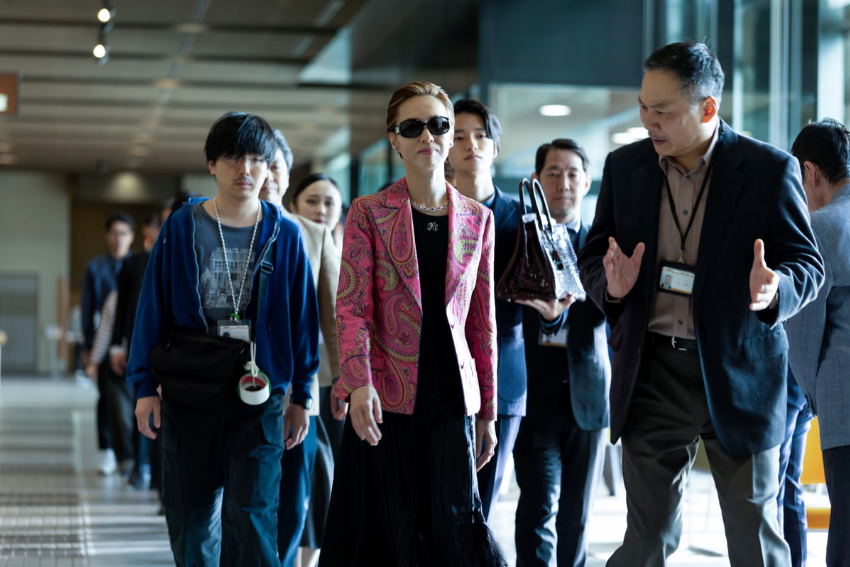
After moving into Ginza and publishing the Rokusei astrology series in 1982, Hosoki developed concepts that stirred public debate, including a now widely discussed idea called the taikagai concept in the show. The series portrays her later life as one of conspicuous wealth, including reported ownership of luxury cars and grand residences, and a string of high profile disputes.
The show also dramatizes alleged business and personal entanglements with entertainment figures and political influencers, material that Japanese reporters have covered for decades and that the series uses to probe the limits of celebrity power.
Family response and rights issues
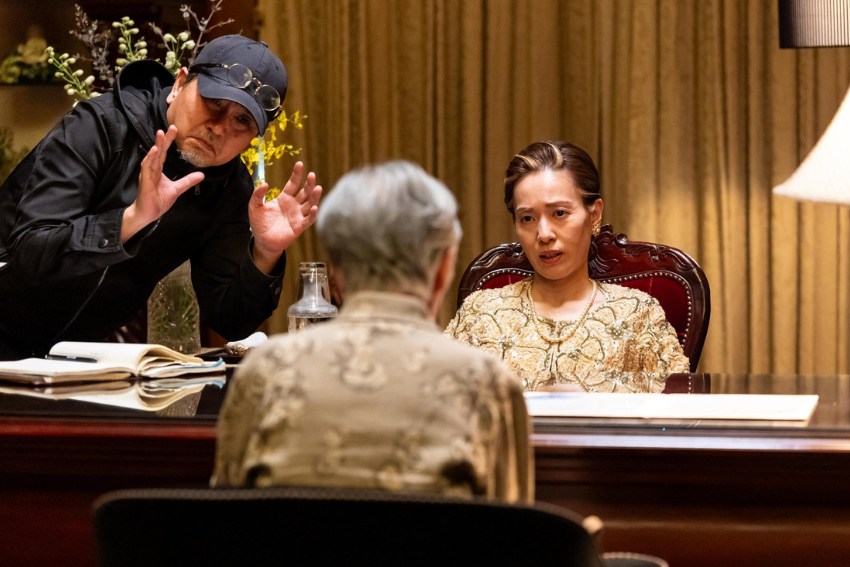
Hosoki’s adopted daughter, Kaori Hosoki (細木かおり), who has been described in press reports as her successor in astrology, told local media that the family granted wardrobe items from Hosoki’s estate to the production. Kaori also said the production fee for the series rights was zero, adding with dry humor in an interview, “I earned zero yen.”
Kaori denied claims of immoral behavior attributed to her mother and offered a personal defense, saying, “No amount of status can replace family, that is what mattered most,” according to the interview she gave to Japanese outlets.
Acting and craft over effects
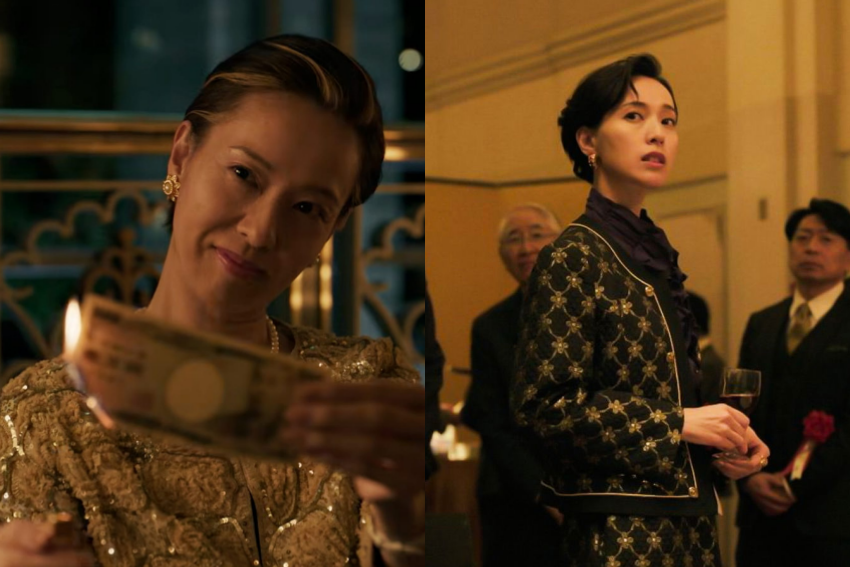
Viewers and critics have widely praised Erika Toda for portraying Hosoki across decades, from late teens to her sixth decade, relying on performance choices rather than digital effects. The production team has explained in press briefings that daily makeup took more than three and a half hours to transform Toda, including specialized prosthetics for face, neck, and hands.
Toda said she studied archival interviews to capture small mannerisms, like a habitual touch of the mouth, and that the role became a stretch she had not anticipated. The result prompted many viewers to say they forgot they were watching the same actor in multiple life stages.
Why Netflix Japanese drama is resonating
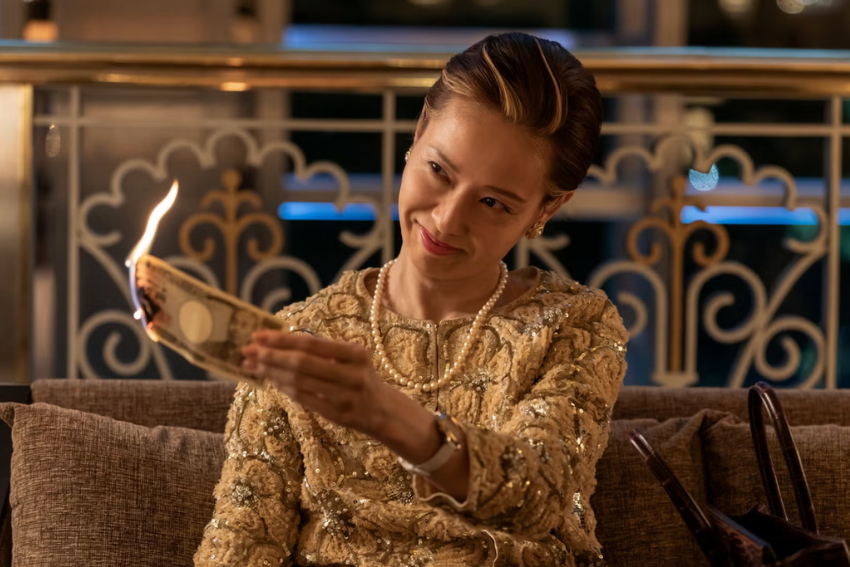
Netflix Japanese drama Straight to Hell taps into broader curiosity about fate and influence, and the series uses the astrologer story to examine how people respond to anxiety and uncertainty, critics say. The show has sparked conversations across social media about authority, charisma, and gullibility.
In a media landscape where spiritual advice and self help are common, the series functions as both entertainment and a critique, inviting viewers to ask whether public figures in spiritual roles are offering insight or exploiting vulnerabilities.
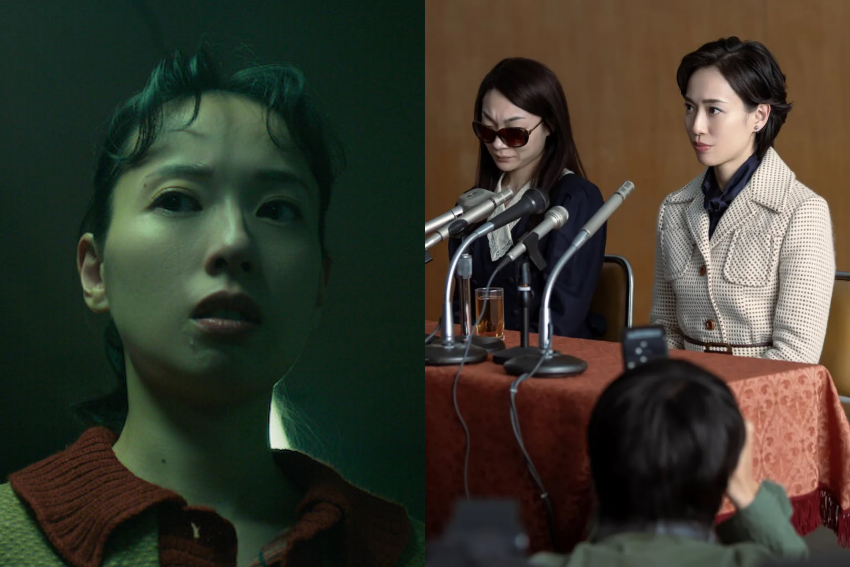
Whether audiences view the series as a sympathetic portrait or a cautionary tale, the combination of performance, production detail, and real life controversy has made Netflix Japanese drama Straight to Hell one of the most discussed releases from Japan this season, according to industry observers and Netflix regional viewing charts.