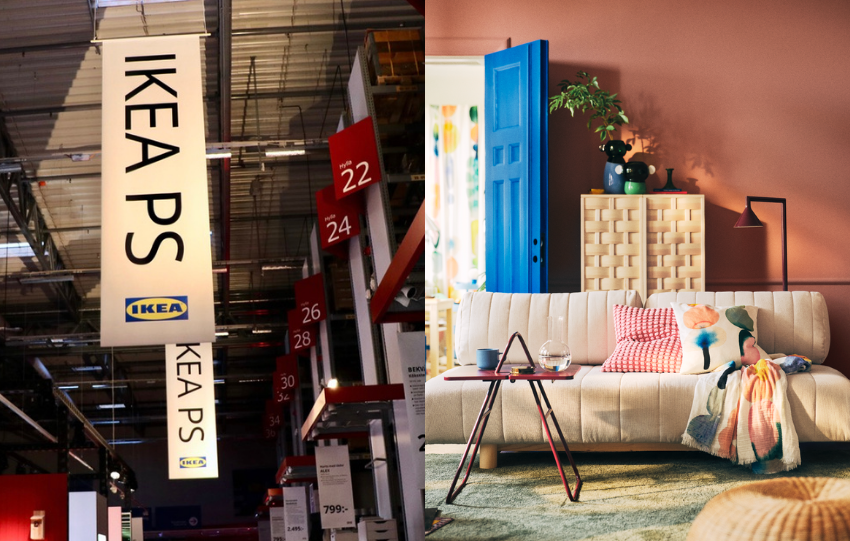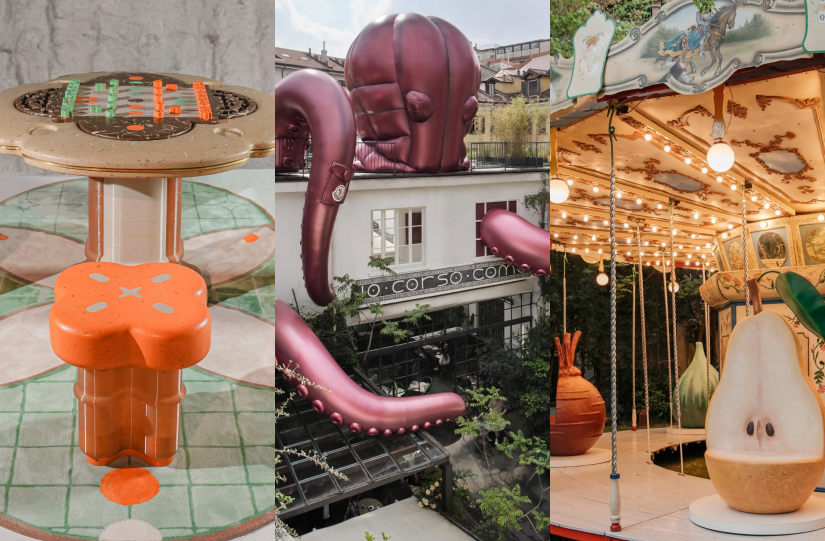



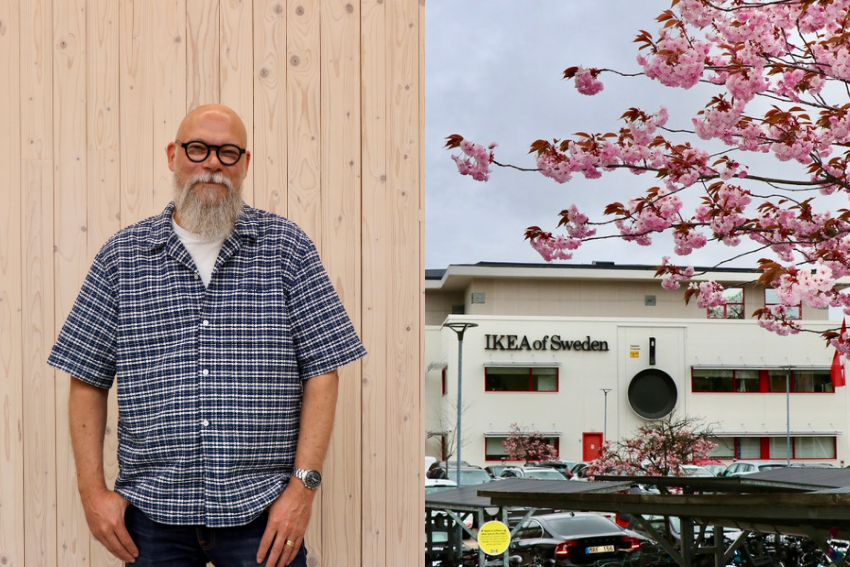
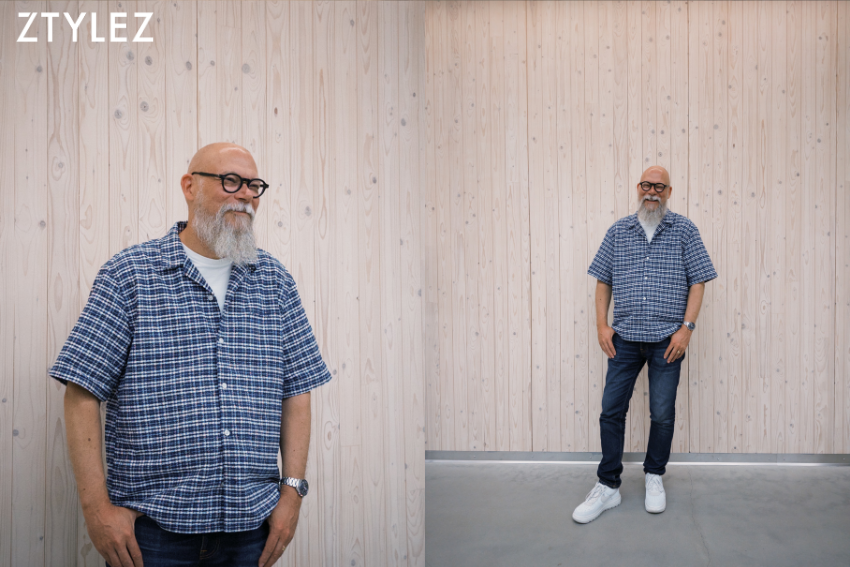
In a fast changing world, the IKEA PS collection should remind us that home is more than four walls, it should be an emotional refuge, Johan Ejdemo, IKEAglobal design director, said. He joined IKEA in 1999 and brings nearly 40 years of furniture development experience, a background he traces to starting his career as a woodworker in 1989.
Whether as a storyteller from SwedenTorne Valley or as one of IKEAglobal spokespeople for design, Johan Ejdemo treats design as a way to tell human stories. For him, the best design does not chase trends, it answers the real needs and warmth of daily life.
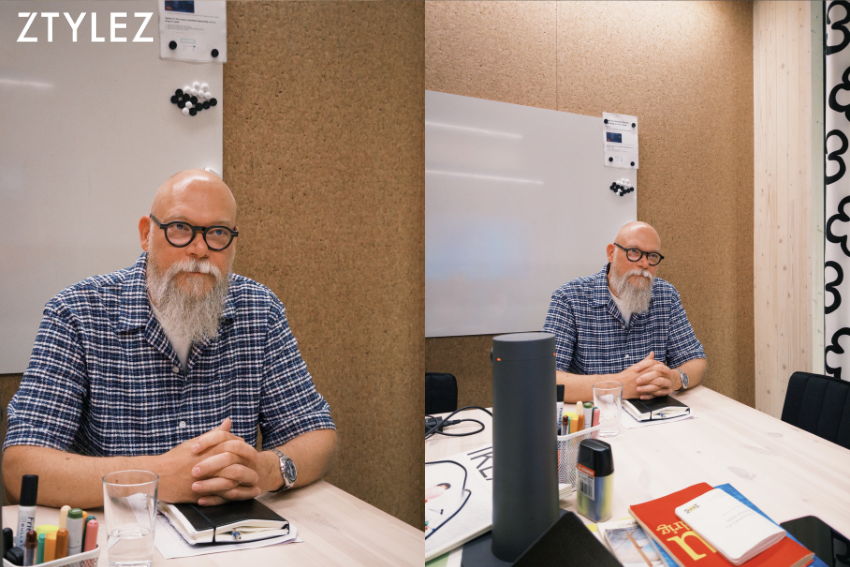
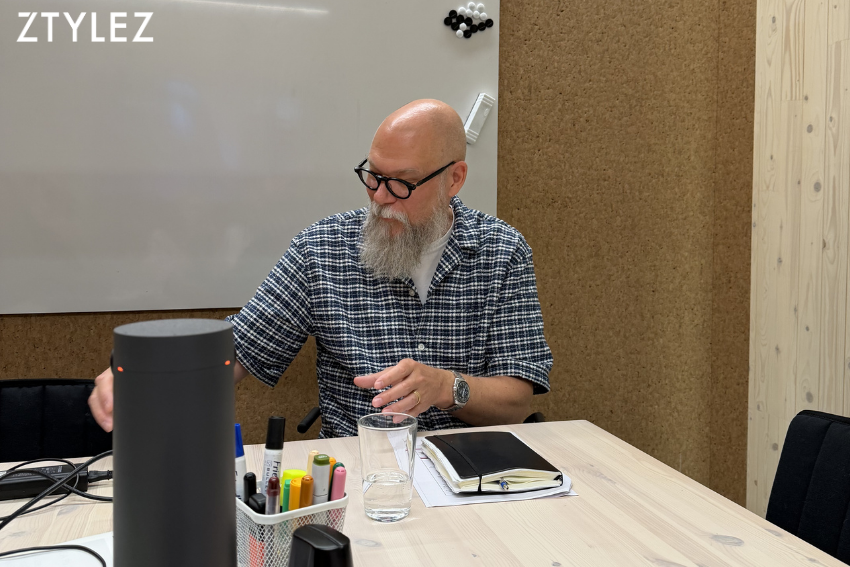
ZTYLEZ spoke with him at IKEAheadquarters in Sweden during the launch of the PS series tenth edition, to discuss how that Swedish sense of home adapts to dense cities and small spaces.
Z:ZTYLEZ
J:Johan Ejdemo
IKEA PS collection and the brandorigins
Z:This year marks the tenth edition of the IKEA PS collection. What kind of Scandinavian design direction do you hope to lead?
J:I do not try to chase fashion, because that is not how we develop products, Johan Ejdemo said. The PS series traces its roots to the first collection launched in 1995, and it is closely linked to Swedish modernism while offering a more human centered, humane form of functionalism. Even now, in a new decade and a different era, it remains important to interpret functionality in a light, playful way. For this reason, this year we focused on designs that bring people closer together rather than create distance, and that respond to IKEAcore DNA: playful simplicity and lively color.
Z:What practical preferences or considerations drive those design choices?
J:Because that is our nature, Ejdemo said. The PS range extends our standard lines and is meant to lead on innovation. When we design we try to include an element of fun and optimism so people smile when they use the product. Many PS items this year include interactive surprises and playful depth, which we think is part of functional design, and part of what makes a product feel essential to everyday life.
Z:Which new piece in this yearPS collection is your favorite?
J:That is a hard question, he said. I am very fond of the lamp designed by Lex Pott. After almost four decades working in furniture, I rarely see a final product so simple and so intuitively understandable that you assume someone must have done it before. We checked the records and found no precedent. At Milan, the lamp created many interesting reactions. With a single lamp and some interaction and variation, you can create many different lighting effects and configurations. I think that design is very clear and very good.
Design principles and team leadership
Z:How do you define good design?
J:If, during the design process, you feel compelled to keep adding things, the end result is rarely great, Ejdemo said. Good design is about reduction and choice, understanding the core purpose of a product and its essential nature. That can be a function, or the feeling it creates in a space, but do not let a product carry too many competing messages. It should be clear, direct, intuitive, and easy to understand. If, on top of that, it contains a surprising hidden element for the user, such as an unexpected rotation mechanism or a weight that makes you say, “Oh, it is so light,” then the design gains an extra layer of charm.
Z:How do you lead a team so designers keep curiosity and creativity alive?
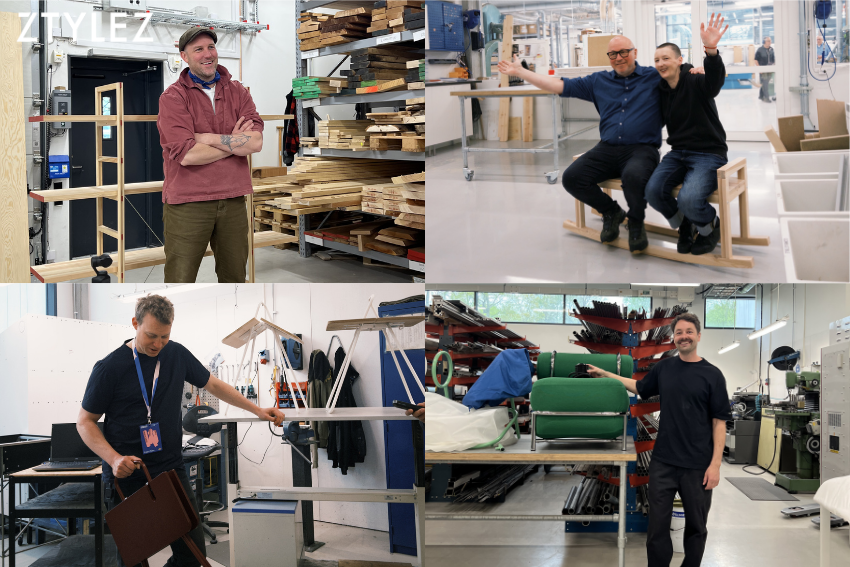
J:We have many designers with long careers, about 20 years on average, and that experience can become a drawback if it causes people to self limit, he said. To keep curiosity we intentionally bring in young talent and keep a steady stream of interns. Mixing seasoned experience with fresh perspectives creates a productive collision. Young designers learn craft and process from older colleagues, and veterans regain youthfulness by being close to new ways of seeing things. Maintaining that inclusive culture of collision is how we spark continuous inspiration. Frankly, many on our team are innately curious, and that curiosity is core to their work.
Everyday life, safety and Swedish ideas of home
Z:Swedes embrace the idea of Lagom and tend to make home safe and comfortable. What do you consider when you design for that ideal?
J:Designing a safe home requires many layers, he said, noting that living with children is a long term priority for IKEA. To live with children safely you must design from engineering and strict testing perspectives, embedding safety into the physical environment so accidents are prevented. We also prefer renewable materials. Wood plays a strong, durable role in Scandinavian design, and for me personally wood carries warmth and tactility. That preference likely ties back to my start as a woodworker.
Z:Do you design with emotional sentiment in mind?
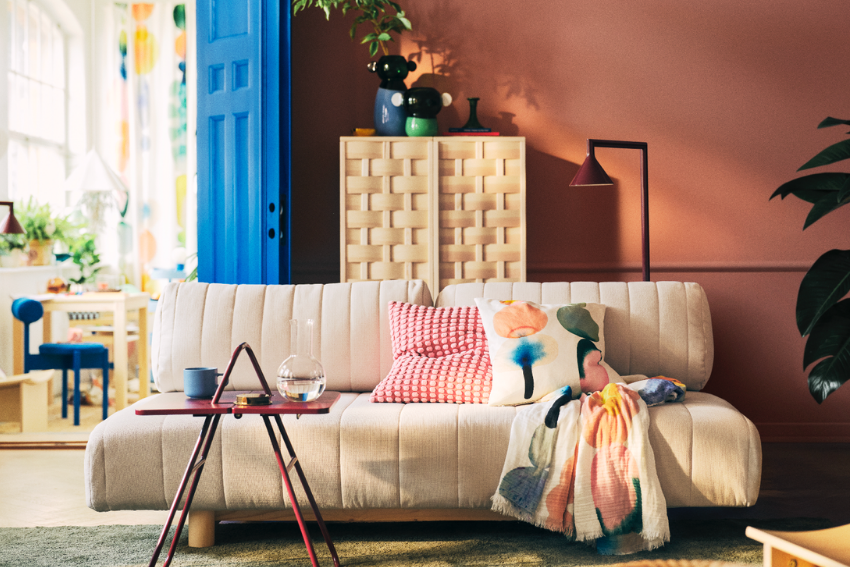
J:Yes, because that idea links to our history, he said. Sweden once had a prolonged social design movement focused on improving practical living conditions for many people. Today, in a turbulent world, a warm refuge or a colorful, playful home has real healing value. People now often seek connection to roots and memory through objects. In Swedish we have a special term, hemtrivsel or Hemtrevnad, that captures a loving, caring sense of home. It is hard to translate directly into one English or Chinese word. The term combines hem, meaning home, with trevnad, meaning comfort, pleasure, and peace. It points to the happiness, warmth, safety, and extreme comfort a space can provide.
Z:Hong Kong has famously small living spaces and many constraints. How do Hong Kongneeds compare to Nordic ones when it comes to home goods?
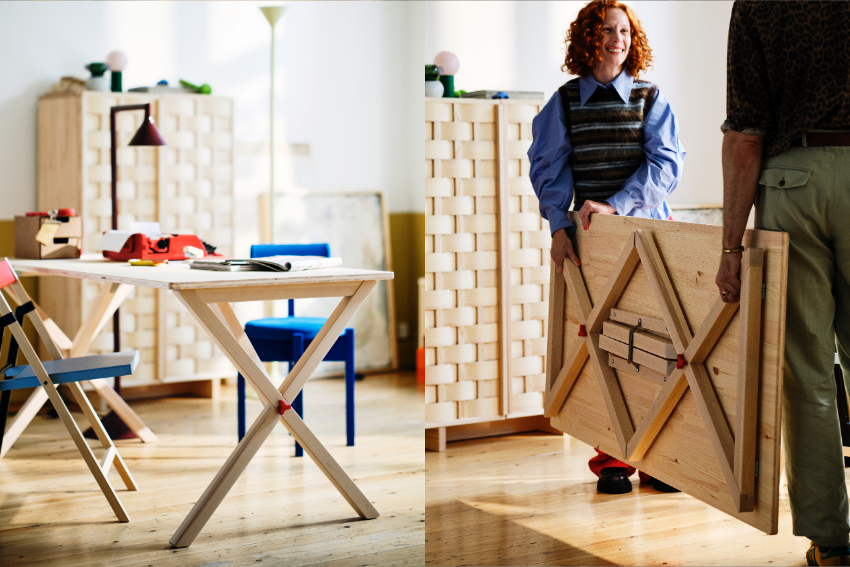
J:Small space living has been a long term focus for IKEA, he said. We are fascinated by it and curious about solutions. Hong Kong is not unique in having limited space. Young people in large Swedish cities also often start in very small apartments, and some three person households can be cramped. The solution is flexibility, so a space can change for different occasions. That is why this year many pieces in the PS collection are transformable and highly adaptable. They are light, easy to move, and can be folded and stored when not in use. We try to use every square foot smartly while keeping the home from feeling like a cold, operating machine. People do not want to live in a machine, so our solutions always include human value and warmth.
Z:After the COVID 19 pandemic many people now work from home. How does that change what households need?
J:It is hard to generalize individual lifestyles, but clearly work from home has become an enduring option, he said. That has accelerated the evolution of home office furniture from temporary fixes to established needs. Early in the pandemic people used any dining chair, but now many want better solutions: electric height adjustable desks to keep moving, ergonomic chairs for long hours. That trend is merging with other categories, including gaming, because players also spend long periods at desks and need ergonomic health solutions. The interest in products that serve both dining and working needs is growing, and PS includes pieces meant to blur those lines.
Z:How does IKEA distinguish itself from other mass market Nordic design brands such as Hay?
J:Our core ambition is to make good design accessible at prices people can afford, Ejdemo said. That democratic design principle is central. Many companies can produce playful or colorful minimal designs; that is part of Scandinavian DNA. What sets IKEA apart is price. If our price does not benefit the many people, we have not succeeded. We will keep trying until we get that right.
Z:What makes the PS series irreplaceable for IKEA as a whole?
J:Because it is purely experimental, the PS series gives our designers and factories a free space to try bold ideas without being limited by the constraints of regular product lines, he said. That freedom keeps IKEA alive. I joined IKEA in 1999 and saw the second generation PS launch; it showed the brands most charming aspect, namely curiosity shining in the factory. Designers went into industrial workshops, used existing production lines, and flipped established objects into new forms. For me, that willingness to break conventional thinking and let designers provoke and explore is the PS seriesirreplaceable value. Although we now produce many collaborations and special series, PS remains the most distinctive and central expression of our Nordic design roots.