



Women in art often carry the quiet, complicated knot of attachment and resentment that others label as narrow-minded, especially when the subject is a woman clinging to love and facing loss. For centuries, artists across movements have refused to flatten that private feeling into a single stereotype. It is not idle malice, but the trace left after giving one’s heart: seeing the person you loved belong to someone else, feeling pushed out of a relationship and rendered powerless; maintaining outward composure while the inner self is pulled and torn; when devotion is betrayed and a place is taken, pride and feeling shatter together.
This private feeling, hard to state directly, still moves modern viewers. We often offer generous blessings to what our loved ones choose, and yet we cannot close the gap inside, nor fully let go of the regret that once someone was ours and now belongs to another. Beneath a gentle surface can live longing, stubbornness, anger, and melancholy, and that mixture is sometimes the most honest face of a woman’s feeling. Five artists, each with a different style, use the canvas to map five distinct emotional modes: buried melancholy, the binds of love and hate, destructive thoughts born of witnessing another’s happiness, the surge of defiance after betrayal, and endless ache after dignity is taken. Together, these works unsettle common stereotypes and restore the raw humanity of romantic loss.
1. Edvard Munch, Vampire (1893), women in art: the bind of entangled love
Edvard Munch is a pioneer of Expressionism who spent his career tracing deep human pain, desire, and loneliness. The work commonly called “Vampire” comes from the same 1893 to 1895 period as his related studies of love and anguish, and it is one of his enduring explorations of intimacy’s darker side, according to museum records and art historians.
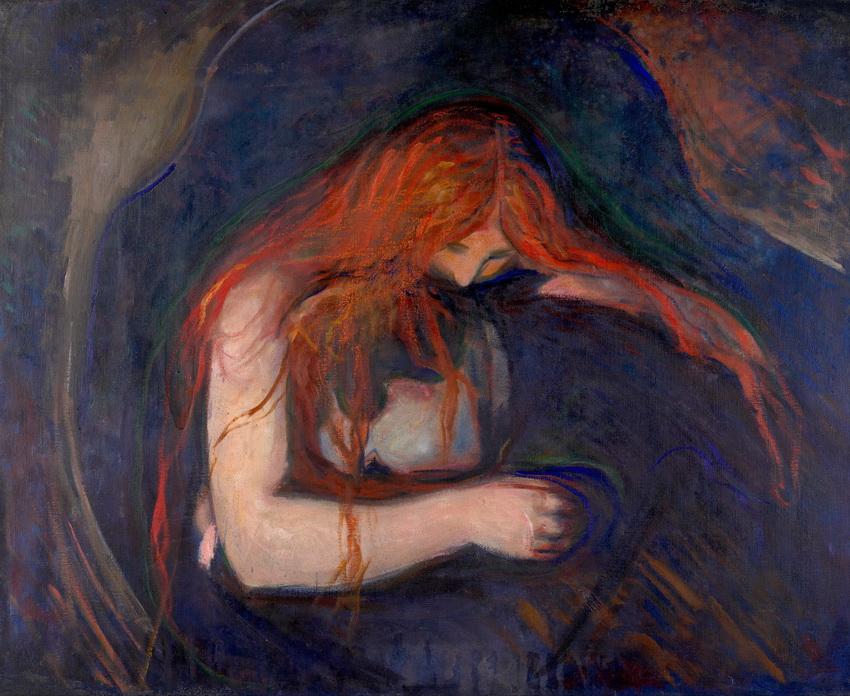
In the painting a red-haired woman presses close to a man’s back, an image at once intimate and suffocating. Rather than showing loud grief, Munch uses twisted brushwork, heavy tones, and an off-kilter composition to communicate a state in which two people would rather sink together than accept separation. Art historians note that this image captures a fear of being replaced, the kind of possessiveness that grows from an inability to accept losing a once-exclusive affection.
2. Frederick Sandys, Love’s Shadow (1867), women in art: restrained sorrow
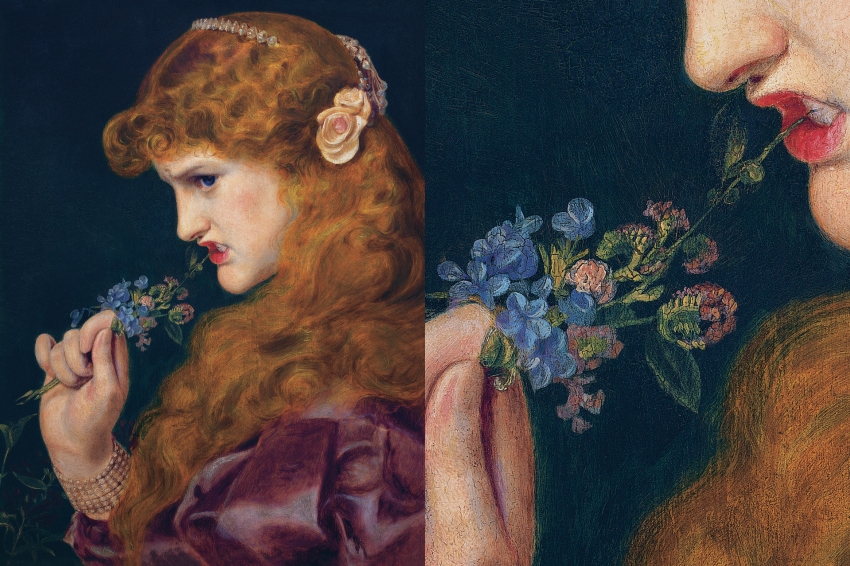
Frederick Sandys, associated with the Pre-Raphaelite circle, specialized in rendering female presence and delicate feeling. His 1867 work “Love’s Shadow” freezes a moment of soft, contained sadness, showing how grief and longing can be held in an elegant posture rather than spilled outward, art historians say.
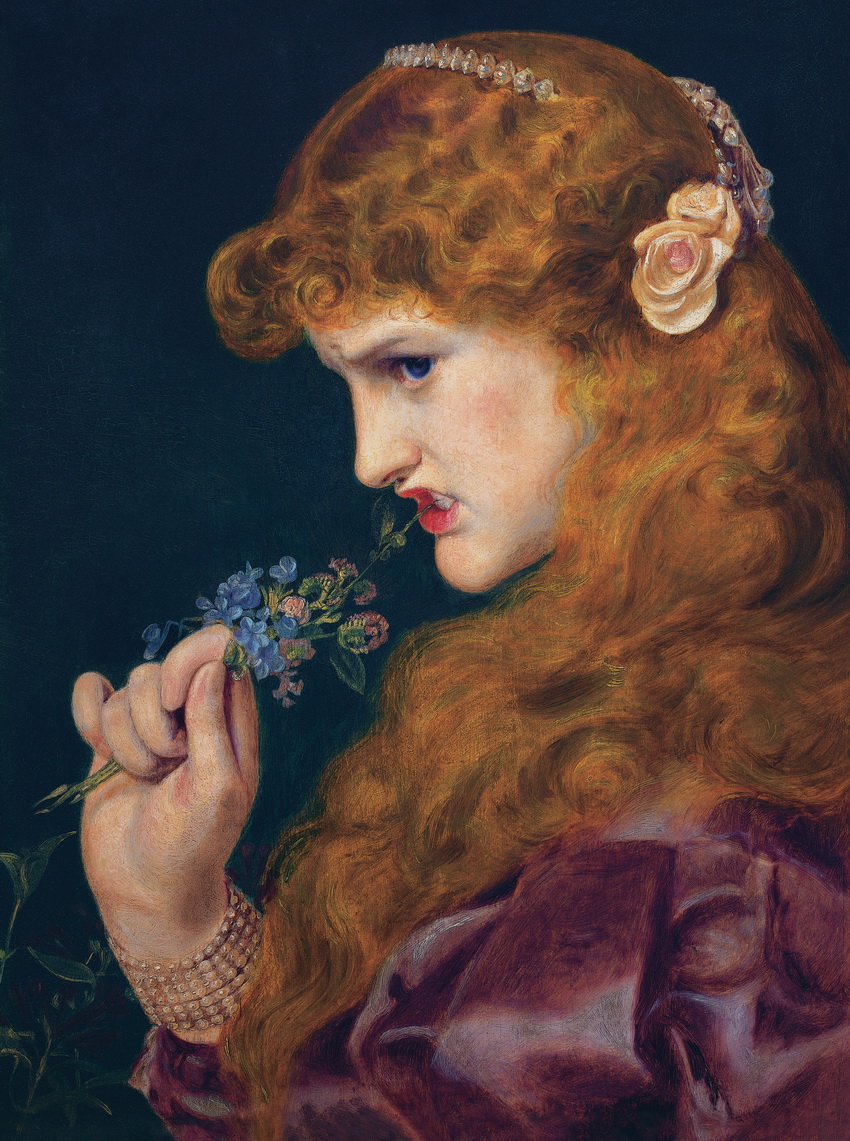
The Pre-Raphaelite focus on capturing a single psychological instant is on display: the woman’s ornaments and gown suggest high status, while the forget-me-nots she holds signal lasting affection. The contrast between sumptuous details and her low, sorrowful gaze makes the painting an exercise in compressed emotion. As a visual study, it shows how a composed exterior can hide a tumult of uncertainty and loss.
3. Lawrence Alma-Tadema, Fredegonda and Galswintha (1878), women in art: destructive longing
Lawrence Alma-Tadema, a Dutch-born academic painter, was known for highly finished scenes of ancient court life. His 1878 historical painting draws on Frankish history to interweave personal resentment, power struggles, and an obsession that can tip toward destruction, art historians observe.
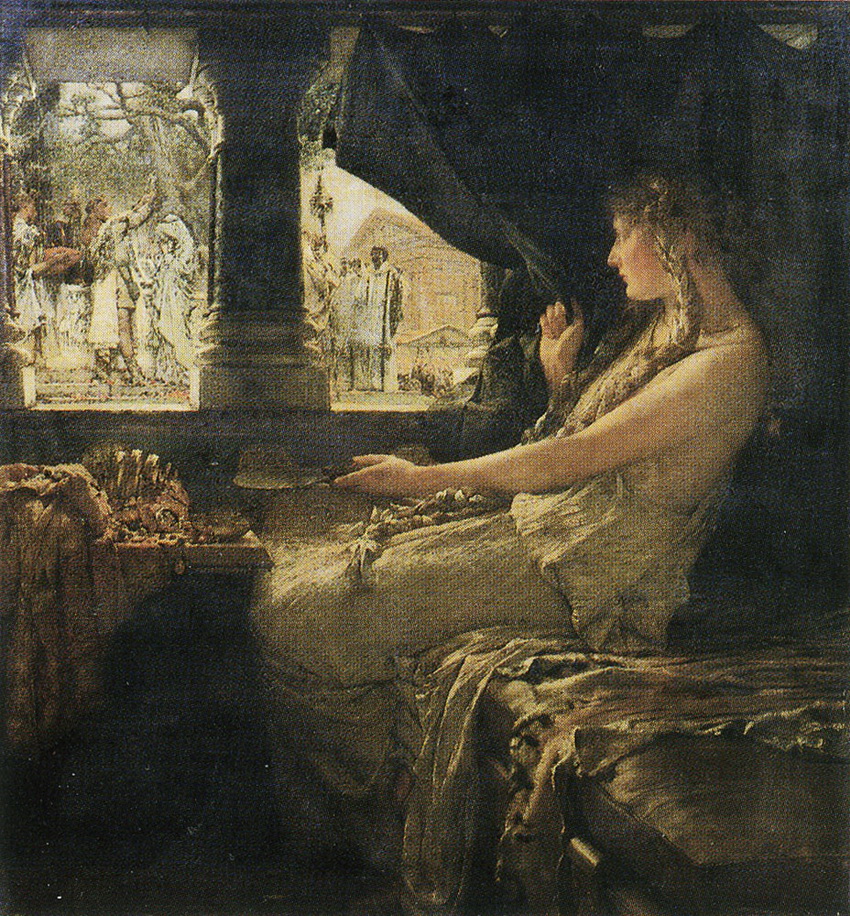
The canvas sets up a striking contrast: outside, a celebratory wedding scene; inside, a woman who once enjoyed royal favor sits alone in a dim chamber, watching the ceremony she cannot join. That visual gap exposes a psychological rupture, where the pain of being abandoned turns slow grief into a burning desire for retribution. Alma-Tadema’s attention to light and surface renders the shift from privileged intimacy to excluded spectator with clinical clarity.
4. Francesco Hayez, Consiglio alla Vendetta (1851), women in art: sorrow turning to resistance
Francesco Hayez, an Italian painter known for historical and romantic tragedy, shows how heartbreak can harden into determination. In his 1851 painting, a woman worn by sorrow confronts a choice: remain submerged in grief or summon a concealed resolve to defend herself, according to art-historical readings.
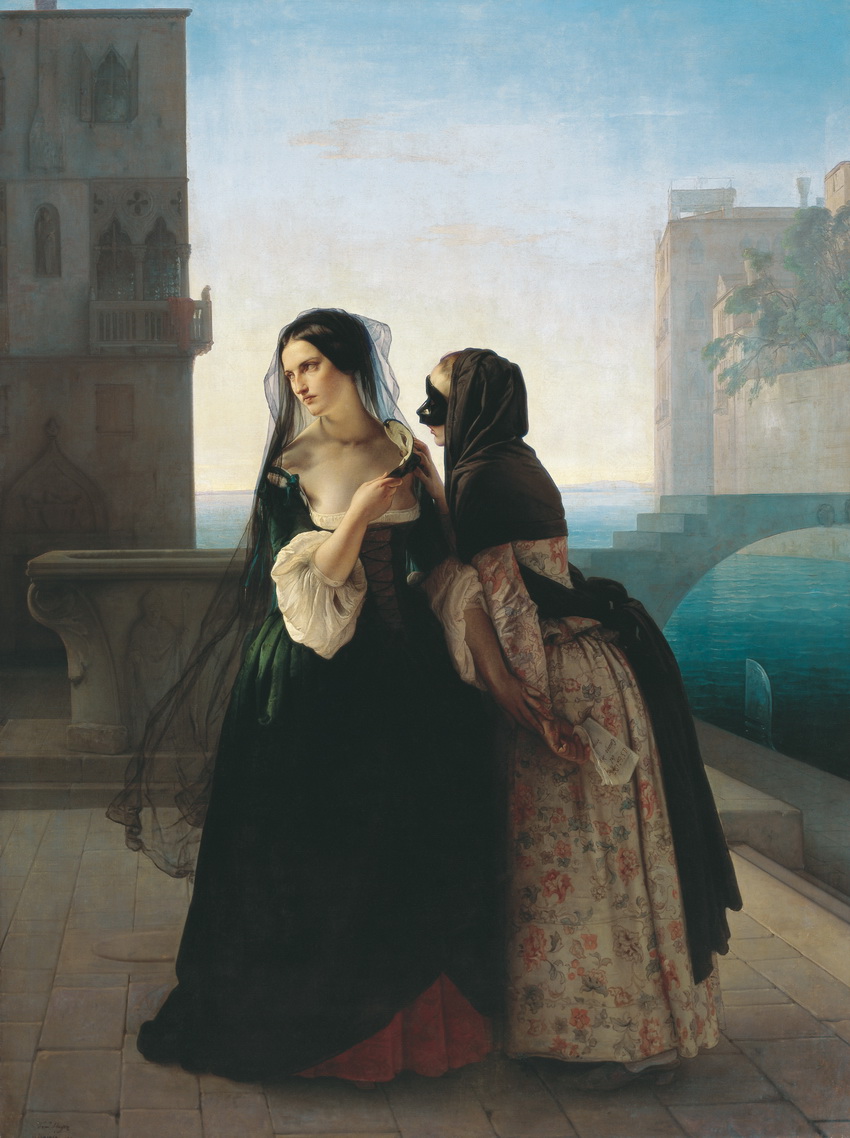
Hayez’s subject shows a face marked by exhaustion, with eyes that mix bewilderment, anger, and indignation. The masked figure and the letter in the composition suggest a secret countermove, a symbolic step away from passive suffering toward guarded action. The painting argues that what looks like stubborn unwillingness to forgive can also be a self-preserving refusal to be diminished by betrayal.
Alexandre Cabanel, Queen Vashti (1877), women in art: the ache of diminished dignity
Alexandre Cabanel, a French academic painter, renders classical grace and restrained feeling. His work on Queen Vashti, from the late 1870s, presents the particular sorrow of a former favorite who finds herself sidelined, an image of dignity undercut by a sudden loss of exclusive affection.
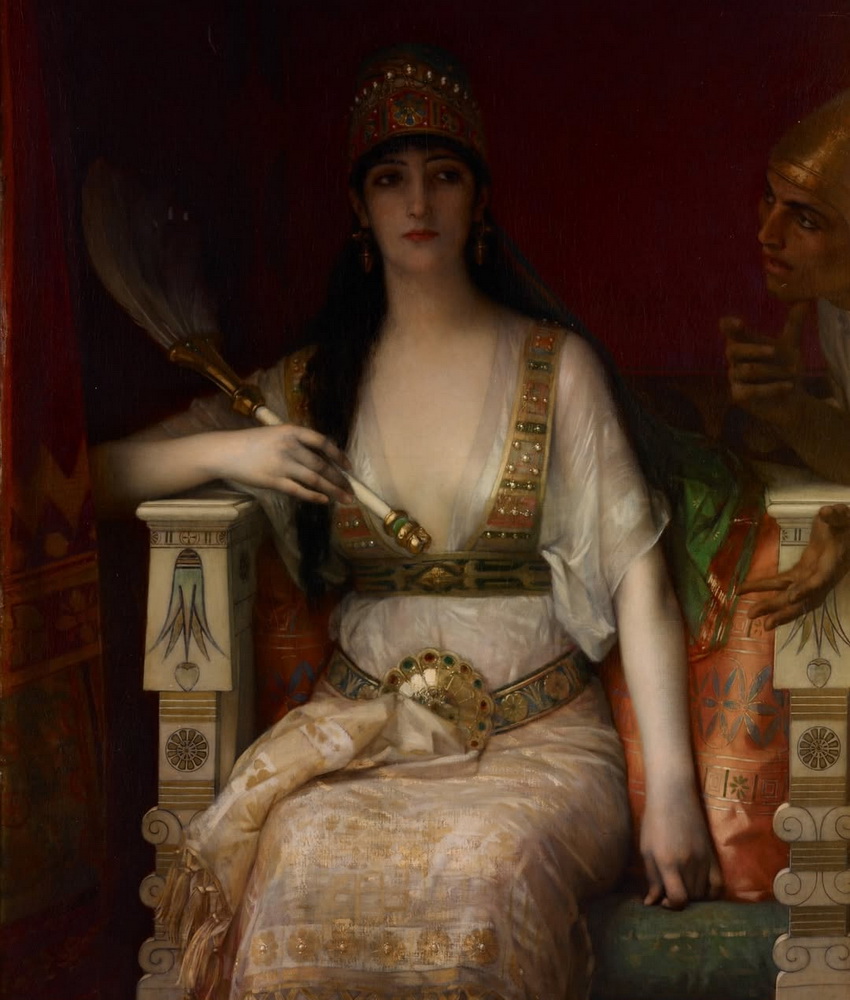
Cabanel bathes the throne and jewelry in warm light while the queen’s figure is submerged in shadow, a contrast that signals public rank and private emptiness. She sits composed and proud, yet her clenched hands and tear-bright eyes betray an inner desolation. The painting captures the paradox of someone who refuses spectacle but cannot hide that a fundamental hurt remains.
Taken together, from Munch’s inescapable entanglement to Sandys’s concealed melancholy, Alma-Tadema’s destructive longing, Hayez’s turn toward defiance, and Cabanel’s dignified loss, these five classical paintings map a range of feminine emotional modes across more than a century. They show that what is often dismissed as a petty or narrow feeling is instead evidence of having loved truly.
Outside the gallery, people still offer warm wishes and polite acceptance for another’s happiness, while privately nursing the truth that letting go is not the same as forgetting. These works remain relevant because they name that private truth, and they remind viewers that behind composed faces can live a complex, stubborn tenderness that deserves recognition.