


Amsterdam 72-hour guide: Amsterdam is always worth visiting again. From most European capitals, and even London by direct Eurostar, it is a short trip, and the city that just marked its 750th anniversary still charms without trying. History and the contemporary coexist naturally here, museums are unusually dense, and design and humanist impulses seep into everyday life.
One city pass opens Amsterdam for you
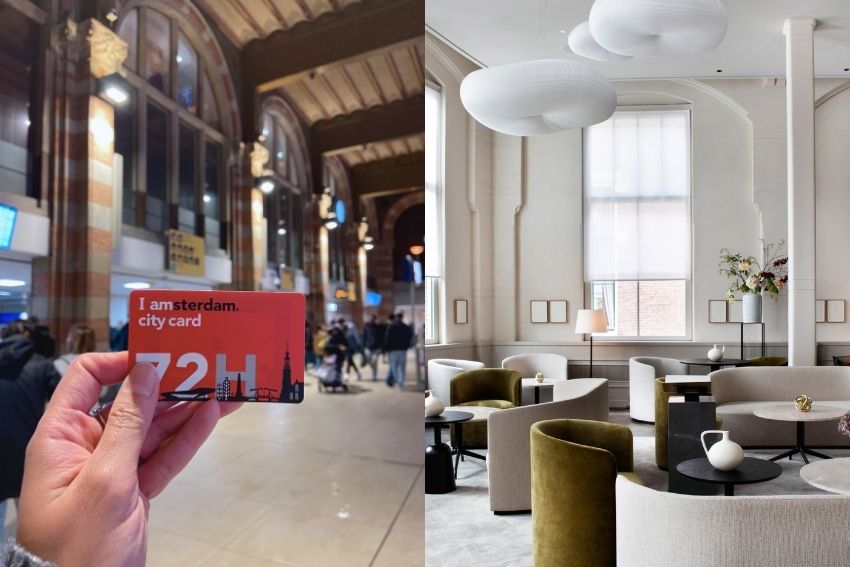
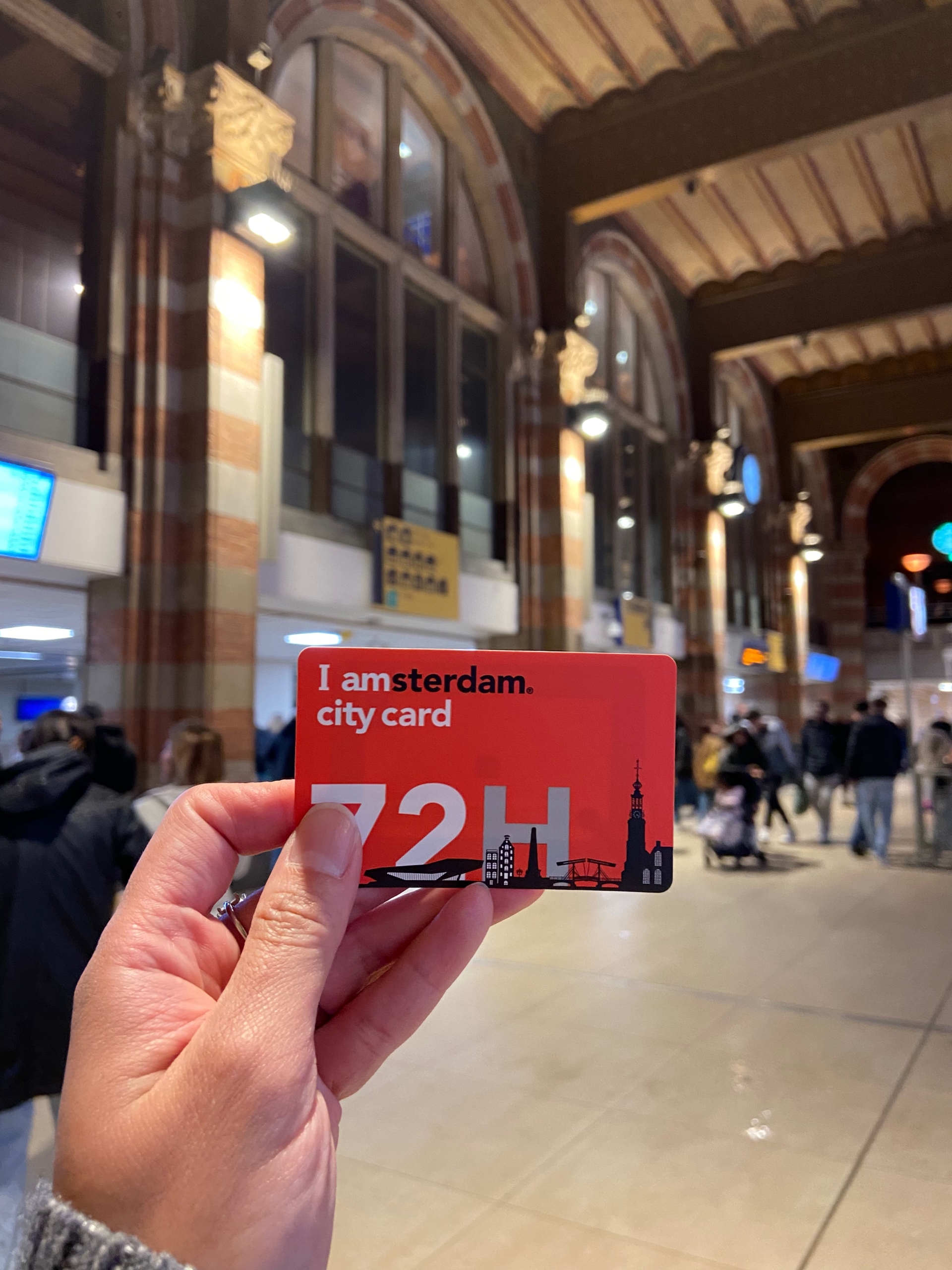
For travelers who want to move beyond surface sightseeing, my go-to is the I Amsterdam Card. The card comes in multiple durations; I usually pick the 72-hour option because three full days are ideal for a weekend getaway that still leaves room to wander and adjust the pace. The Amsterdam 72-hour guide works especially well with the card because it frees you from constant ticket buying and lets you follow curiosity instead of a timetable.
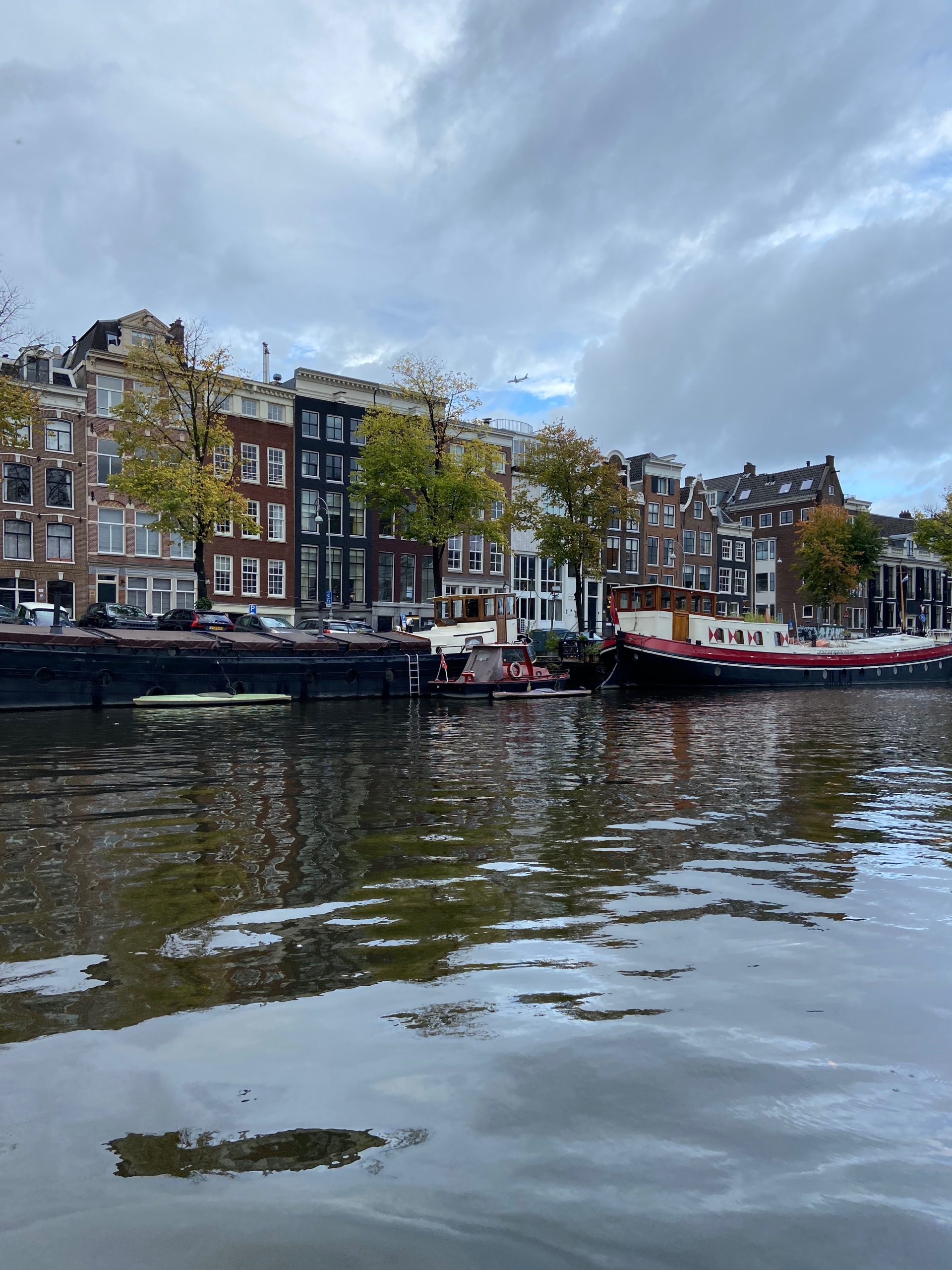
The card does not include airport round-trip transport, but once you are in the city, trams, buses, the metro, and the free ferries that cross the IJ are unlimited with the pass. That mobility makes it easy to hop on a tram and explore a neighborhood that does not sit on typical tourist maps, revealing a more authentic Amsterdam. The pass also includes a canal cruise, which I consider one of the most relaxed ways to understand the city: from the water, building proportions and canal-front details suddenly make sense, and a guided boat tour surfaces design choices you would miss on foot.
The real value of the pass is choice
According to the I Amsterdam website, the card is available for one to five days, with prices ranging from approximately $72 (originally €65) to approximately $149 (originally €135). You can prebook on the official site, or buy at the I AMSTERDAM visitor center at Amsterdam Central Station. The card activates on first use, either as a physical card or in the mobile app, and each participating attraction lists its admission and reservation rules clearly on its own website.
If you are drawn to contemporary art and street culture, start at the MOCO Museum. For anatomy and science, Body Worlds is an essential visit. Small design spaces and independent galleries scattered across town are often the most delightful discoveries, and the card makes it frictionless to seek them out.
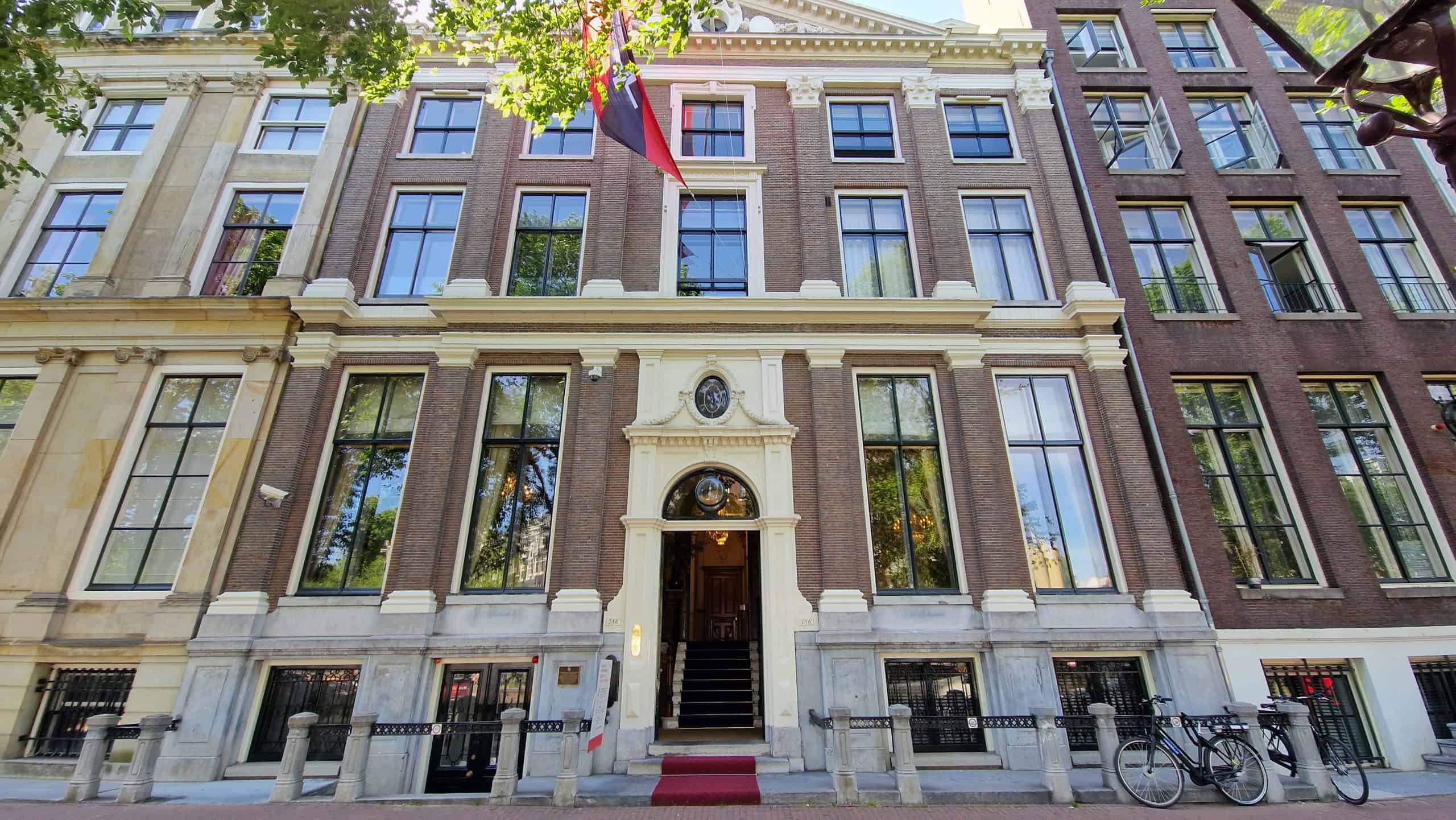
Amsterdam’s 750-year story is full of detail. The city was built on timber piles; the dense forest of posts under the canals explains why canal houses often lean slightly. I learned this at the Museum of the Canals, housed in a 17th-century canal house on Herengracht. The museum laid out the city’s evolution from fishing village to global trading hub, and made clear that the canal network shaped transport, flood control, land use, and social divisions.
Practical visitor information
Anne Frank House:
Address: Prinsengracht 263-267, entrance at Westermarkt 20.
Hours: 9 a.m. to 10 p.m. daily, see the museum website for reservation rules and any seasonal changes.
Van Gogh Museum:
Address: Museumplein 6, 1071 DJ Amsterdam.
Hours: generally Monday through Thursday, 9 a.m. to 5 p.m.; Friday 9 a.m. to 9 p.m.; check the museum website for exact open days.
MOCO Museum:
Address: Honthorststraat 20, Museumplein.
Hours: 9 a.m. to 9 p.m. daily, confirm on the museum website.
Body Worlds:
Address: Damrak 66, 1012 LM Amsterdam.
Hours: 9 a.m. to 10 p.m. daily, see the exhibition site for details.
Museum of the Canals:
Address: Herengracht 386, 1016 CJ Amsterdam.
Hours: Monday noon to 5 p.m.; Tuesday through Sunday 10 a.m. to 5 p.m., last entry 4:30 p.m., per the museum website.
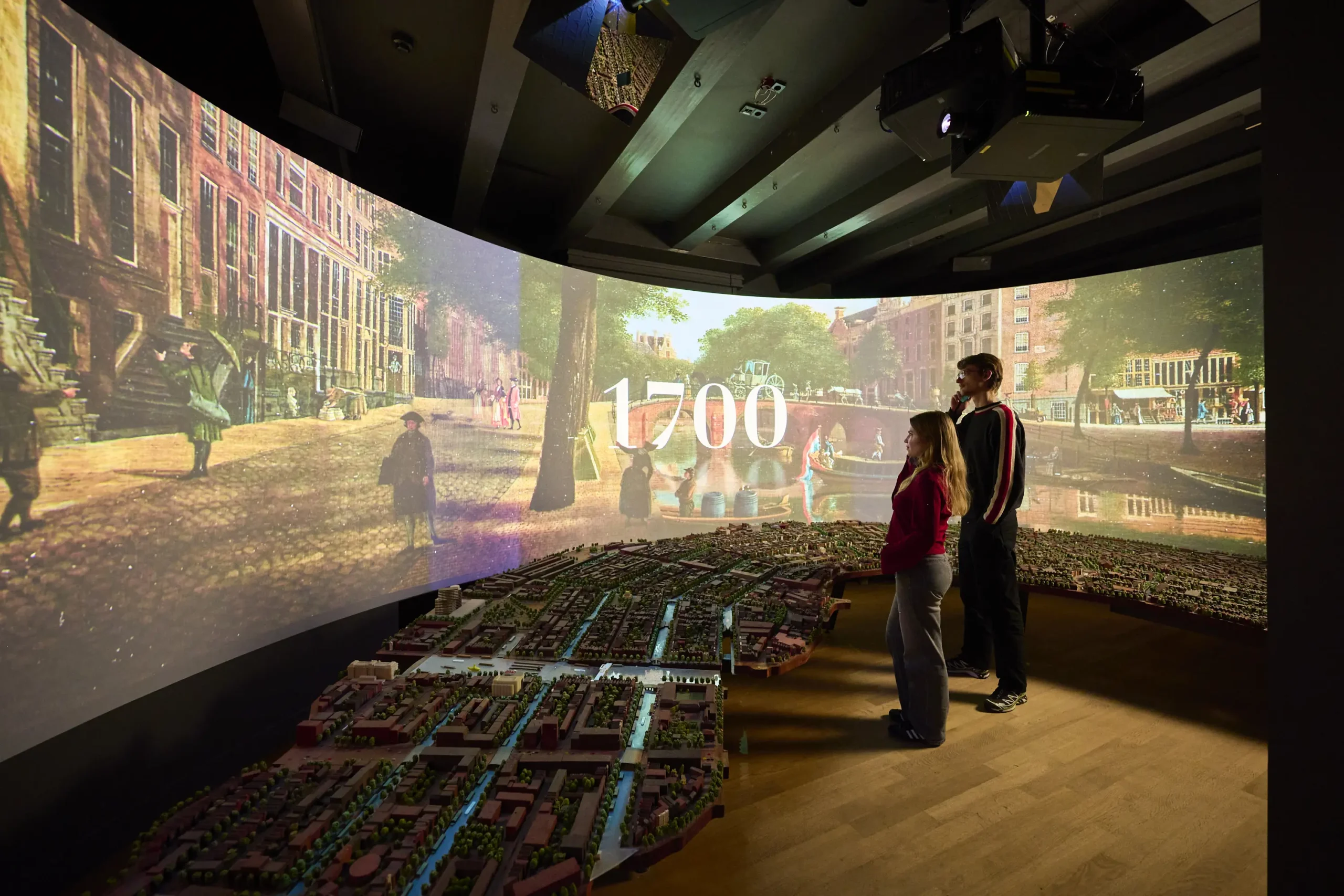
The city marked its 750th anniversary with a new project called Amsterdam in Motion, curated by the Amsterdam Museum. The multimedia installation uses moving images and data visualization to show population flows, transport rhythms, energy use, and shifting urban space. Rather than a static commemoration, it reads as a contemporary self-portrait of a city that is always in motion.
Amsterdam in Motion:
Location: Cultuurpark Westergas, Pazzanistraat 19-23, 1014 DB Amsterdam.
Hours: Monday through Friday 10 a.m. to 5 p.m.; Saturday and Sunday 10 a.m. to 6 p.m., check the Amsterdam Museum listings for updates.

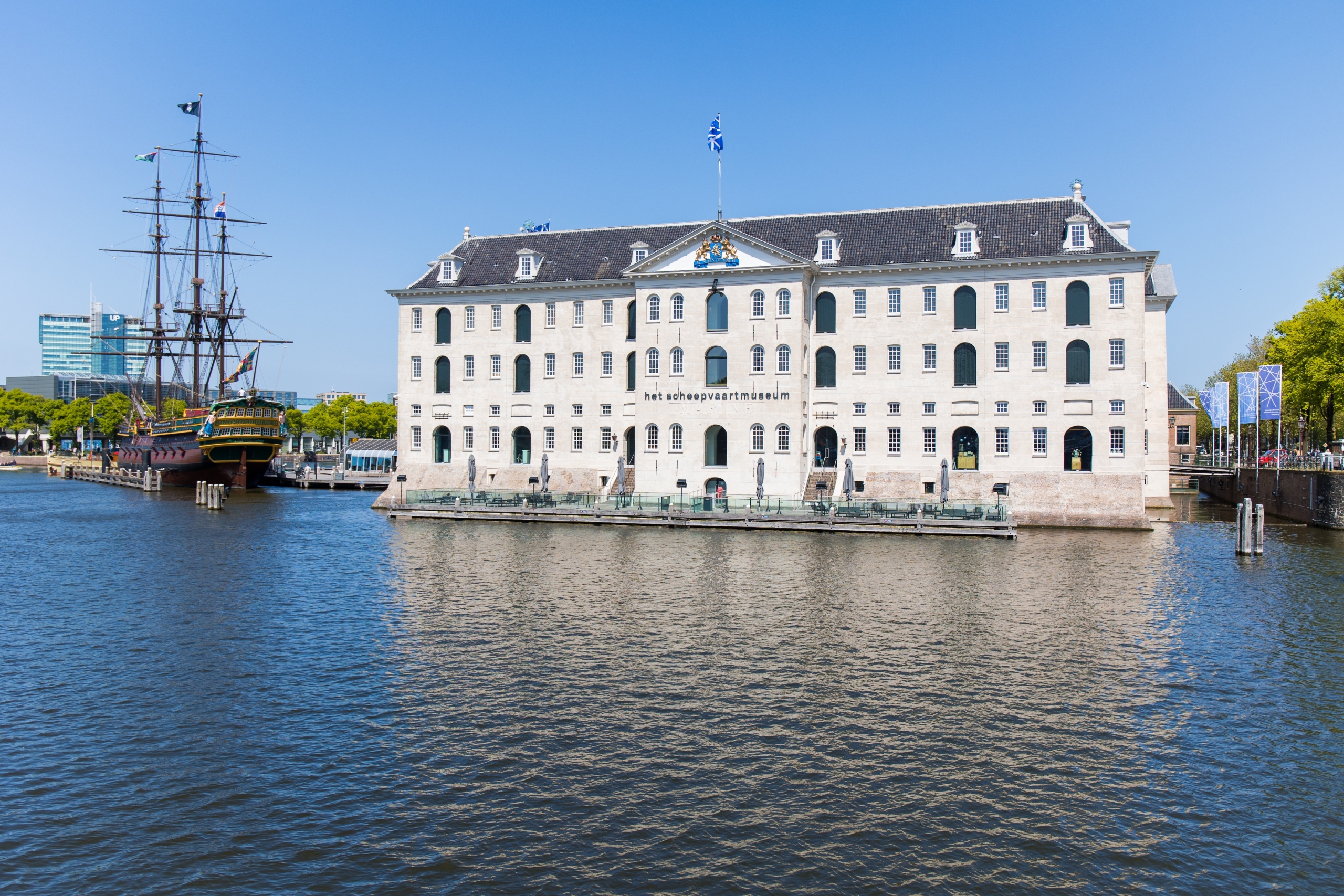
The I Amsterdam Card also makes it straightforward to follow deeper historical and social threads. The National Maritime Museum revisits five centuries of Dutch seafaring aboard a replica East India Company ship, and the National Holocaust Museum documents exclusion and persecution through objects, letters, and photos. Both institutions present difficult histories that are important to see and reflect on; check each museum’s site for current exhibitions and hours.
National Maritime Museum:
Address: Kattenburgerplein 1, 1018 KK Amsterdam.
Hours: 10 a.m. to 5 p.m. daily.
National Holocaust Museum:
Address: Plantage Middenlaan 27, Amsterdam.
Hours: 10 a.m. to 5 p.m. daily.
ARTIS-Groote Museum is a pleasant surprise for families and anyone interested in natural history. Located inside the Artis Royal Zoo grounds, the 19th-century building was restored to keep classical proportions, vaulted spaces, and the original staircases, while introducing daylight and interactive displays. The exhibition centers on how humans understand nature, pairing specimens and models with multimedia so that science, art, and philosophy meet in the same space.
ARTIS-Groote Museum:
Address: Plantage Kerklaan 36, entrance via Artisplein.
Hours: 10 a.m. to 5 p.m. daily.
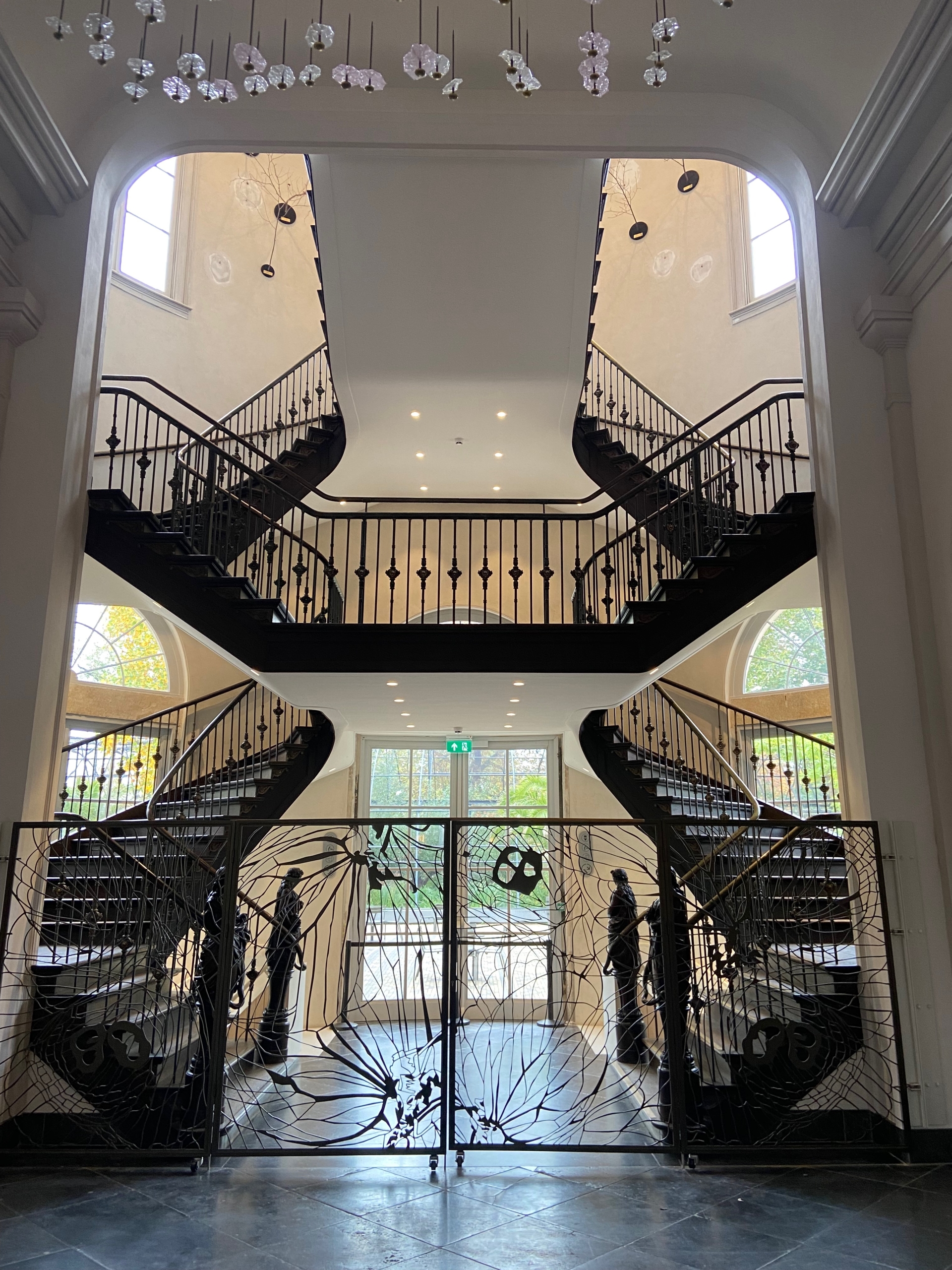
One of the card’s charms is that it is not just an admission tool, but a way to slow down. With tickets removed as a constant constraint, you can choose to linger for an entire afternoon, change your route at the last minute, or follow a neighborhood’s quieter energy. That relaxed freedom reshapes how you experience a city.
Three hotels worth staying
Hotel options in Amsterdam are varied, and in recent years the city has encouraged visitors to explore beyond the traditional center. East and North Amsterdam now host several design-forward hotels that add different layers to a stay.
BUNK Hotel
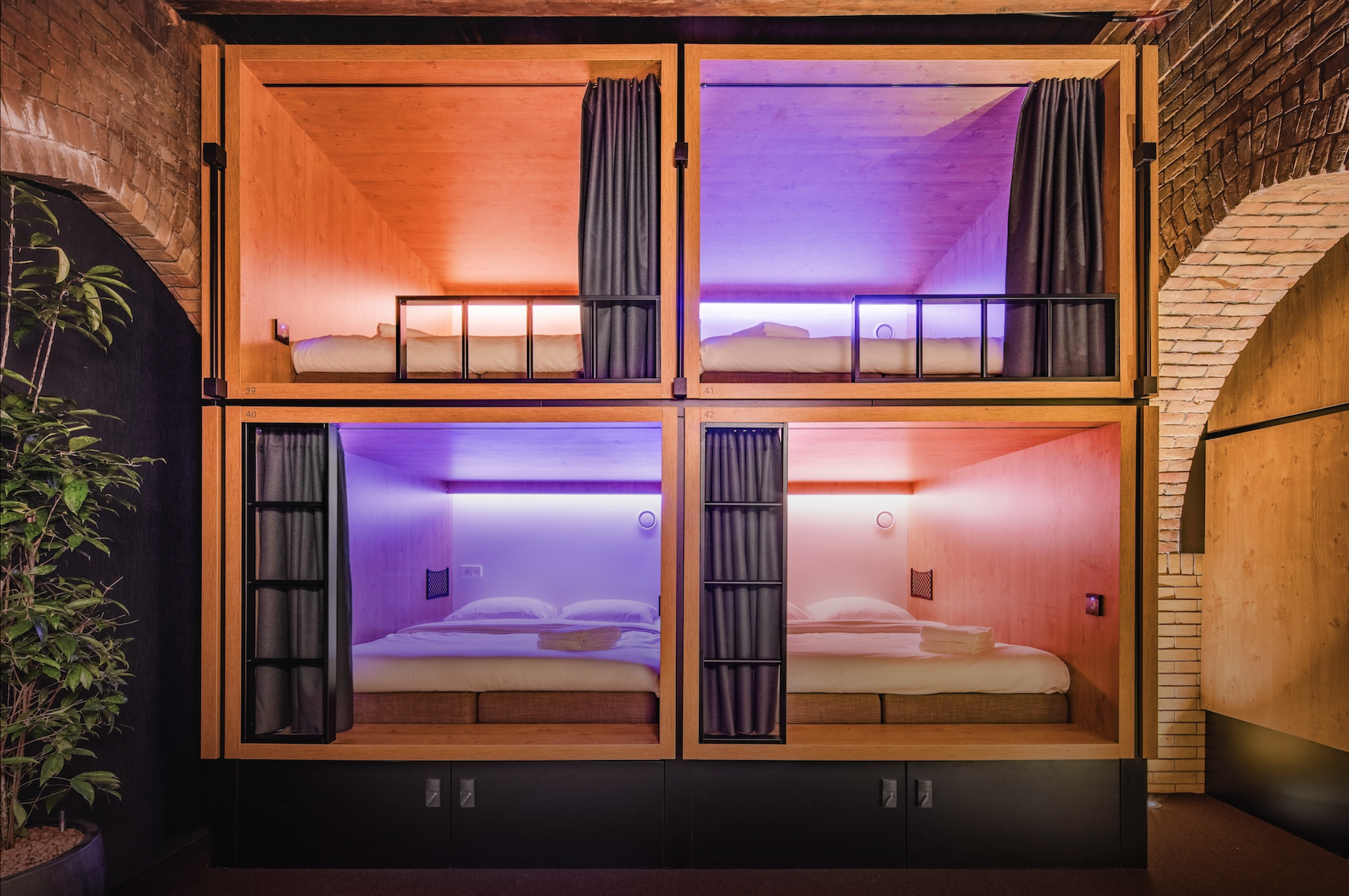
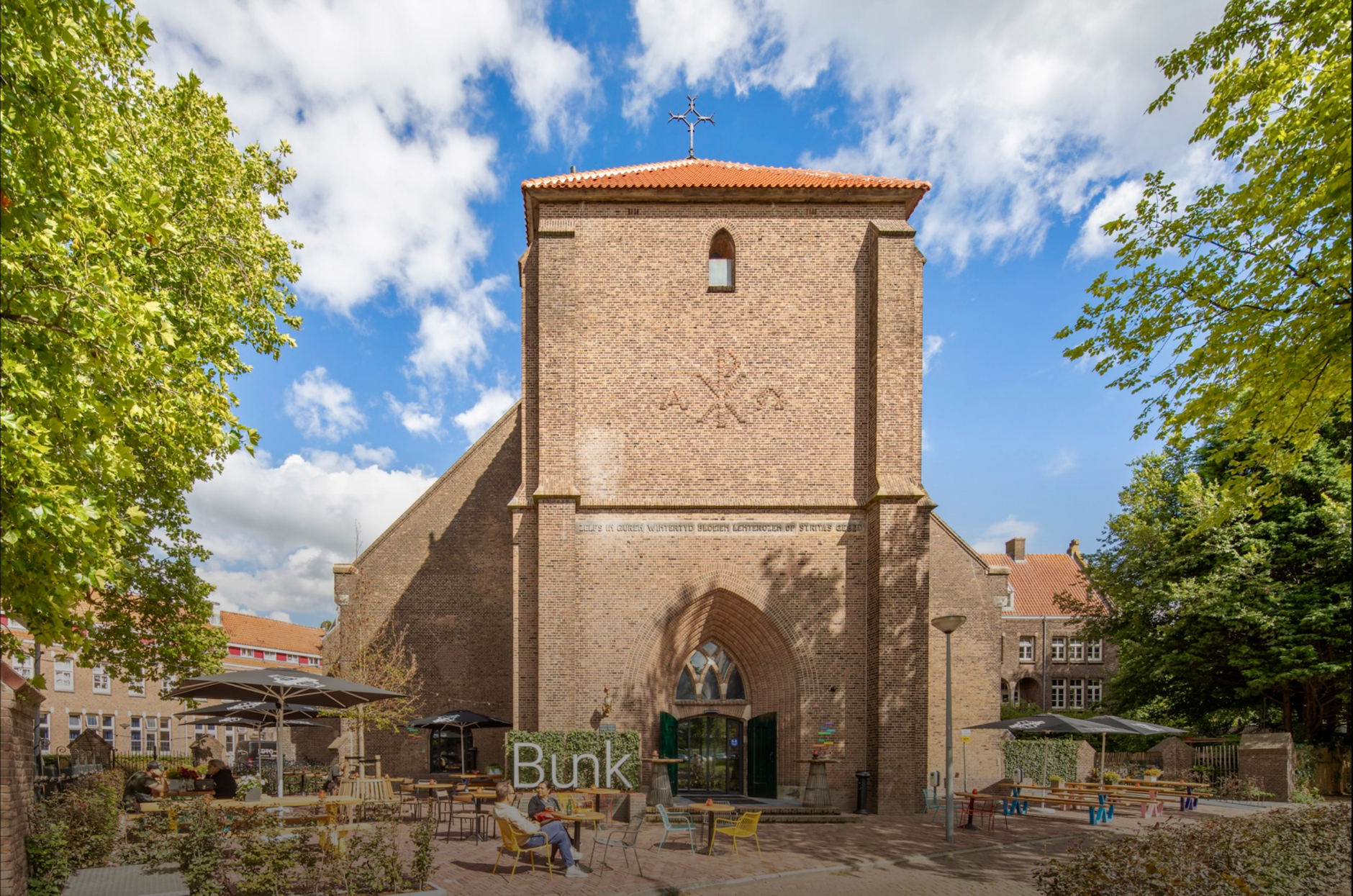
BUNK Hotel, housed in a former church, keeps original features such as high vaulted ceilings and stained glass. The atmosphere is youthful and creative, with communal spaces that invite conversation. Rooms and sleeping “pods” suit families and solo travelers alike. Address: Hagedoornplein 2, 1031 BV Amsterdam. See the hotel website for booking details.
Inntel Hotels Amsterdam Landmark
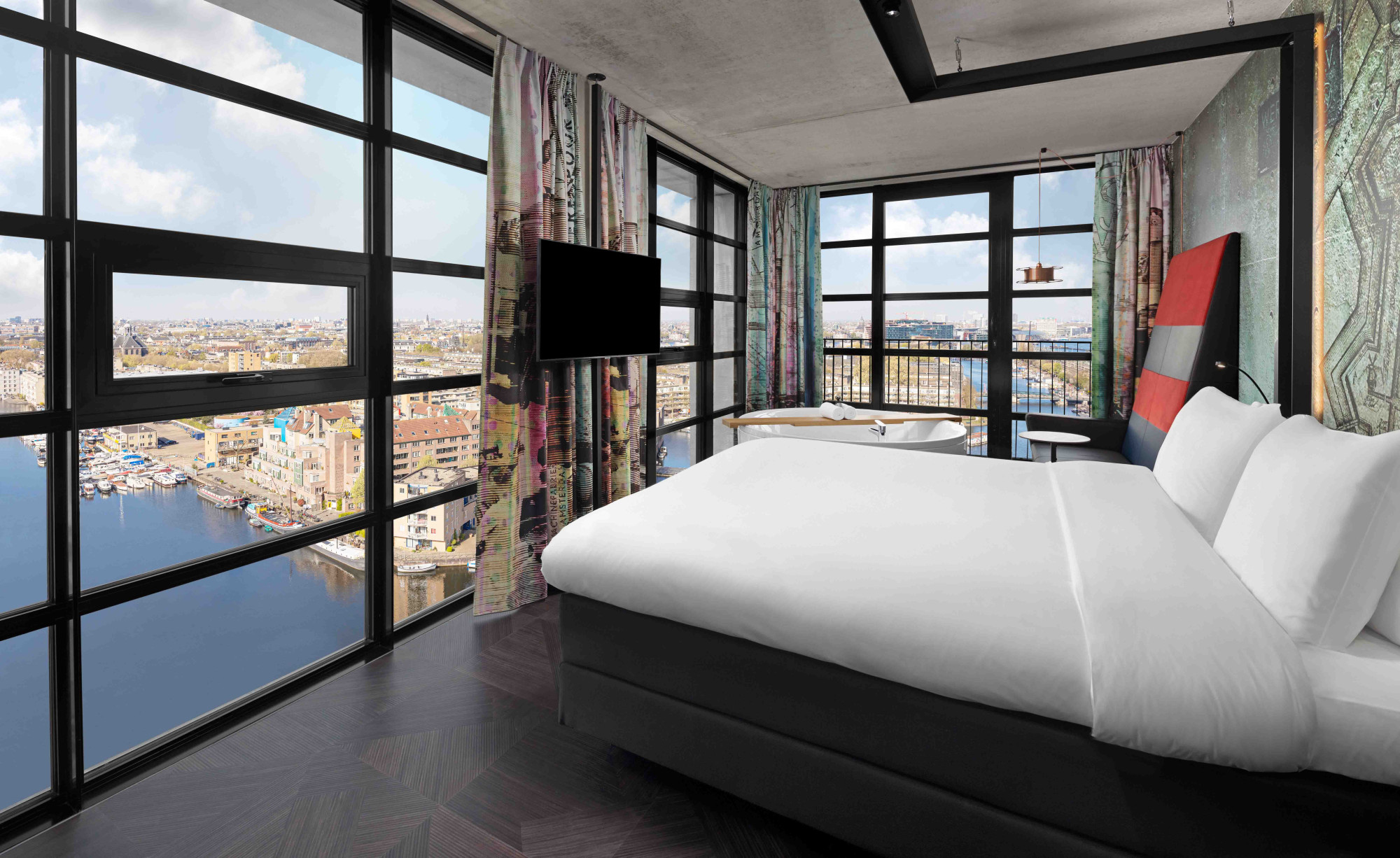
Inntel Hotels Amsterdam Landmark is a 16-storey building in the Oostenburg area that references the neighborhood’s industrial past. Exposed concrete, metal structures, and a giant yellow crane cabin form a striking lobby centerpiece. Rooms continue the industrial aesthetic while staying comfortable, and some suites feature private whirlpools and saunas. Address: VOC-Kade 600, 1018 LG Amsterdam.
Pillows Grand Boutique Hotel Maurits at the Park
Pillows Grand Boutique Hotel Maurits at the Park is set beside Oosterpark and within easy walking distance of the Rijksmuseum and Van Gogh Museum. The hotel occupies a 1908 building that once housed a university science faculty; original elements such as high ceilings, stained glass, and corridors are preserved. The property emphasizes what some describe as quiet luxury, with careful attention to bedding, lighting, signature scents, and soundproofing. Address: Mauritskade 61, 1092 AD Amsterdam.
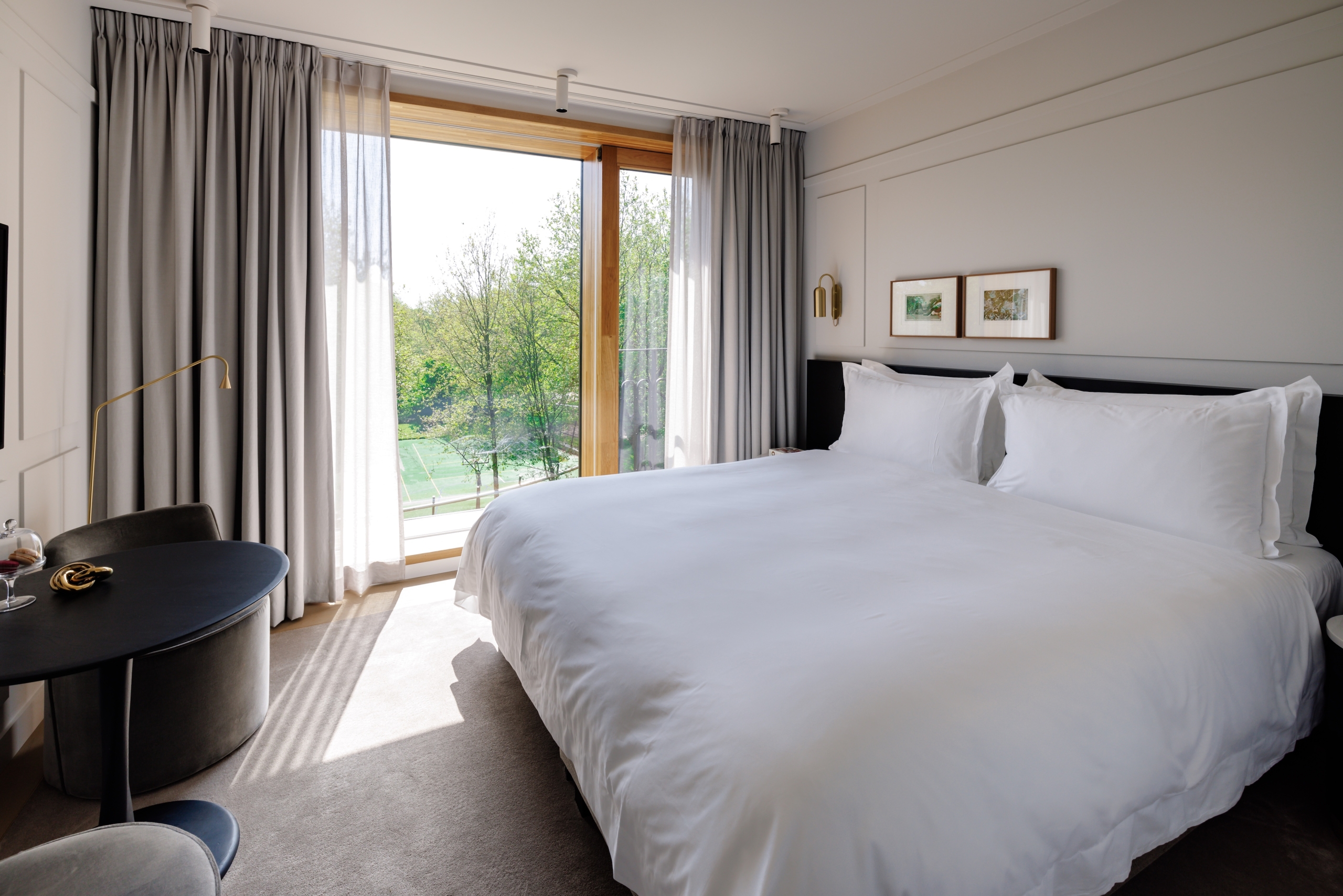
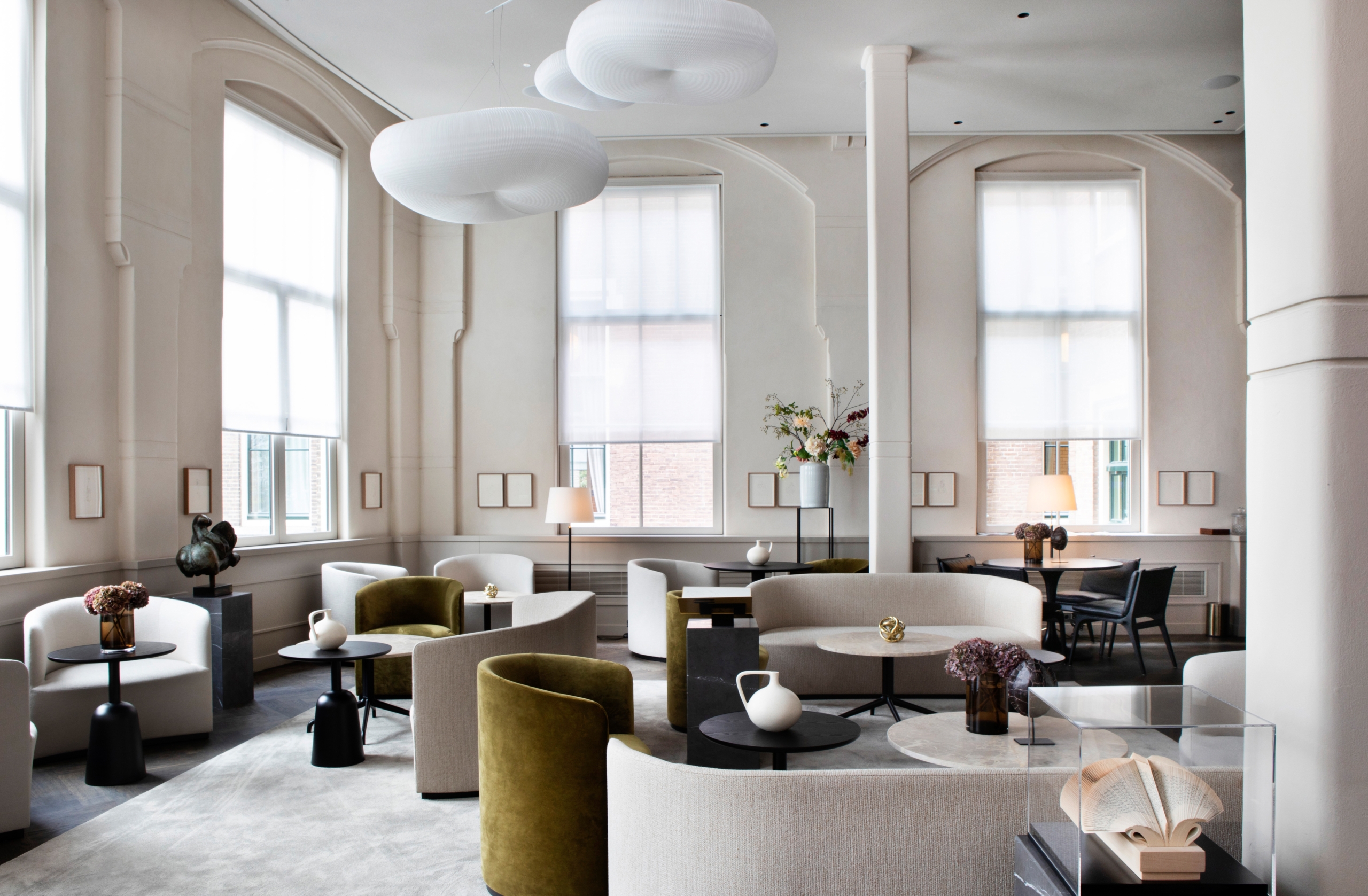
Service at Pillows is quietly confident. The concierge team appears when needed and otherwise leaves guests undisturbed. The hotel’s dining and bar program is notable, particularly Fitz’s Bar, inspired by F. Scott Fitzgerald, which blends dark wood, velvet seating, soft lighting, and classic cocktails. For many visitors, Pillows feels more like a private city house than a hotel.
Dining: VanOost and the Chef’s Table
VanOost Restaurant, located inside the Pillows hotel in a former laboratory space, pairs high ceilings and exposed beams with an open kitchen. The restaurant, led by executive chef Floris van Straalen, blends European technique with Japanese aesthetics and relies heavily on seasonal Dutch produce. I experienced a seven-course Chef’s Table tasting menu; the kitchen asked that I reserve a full three-hour seating window so the dinner can be experienced as intended.
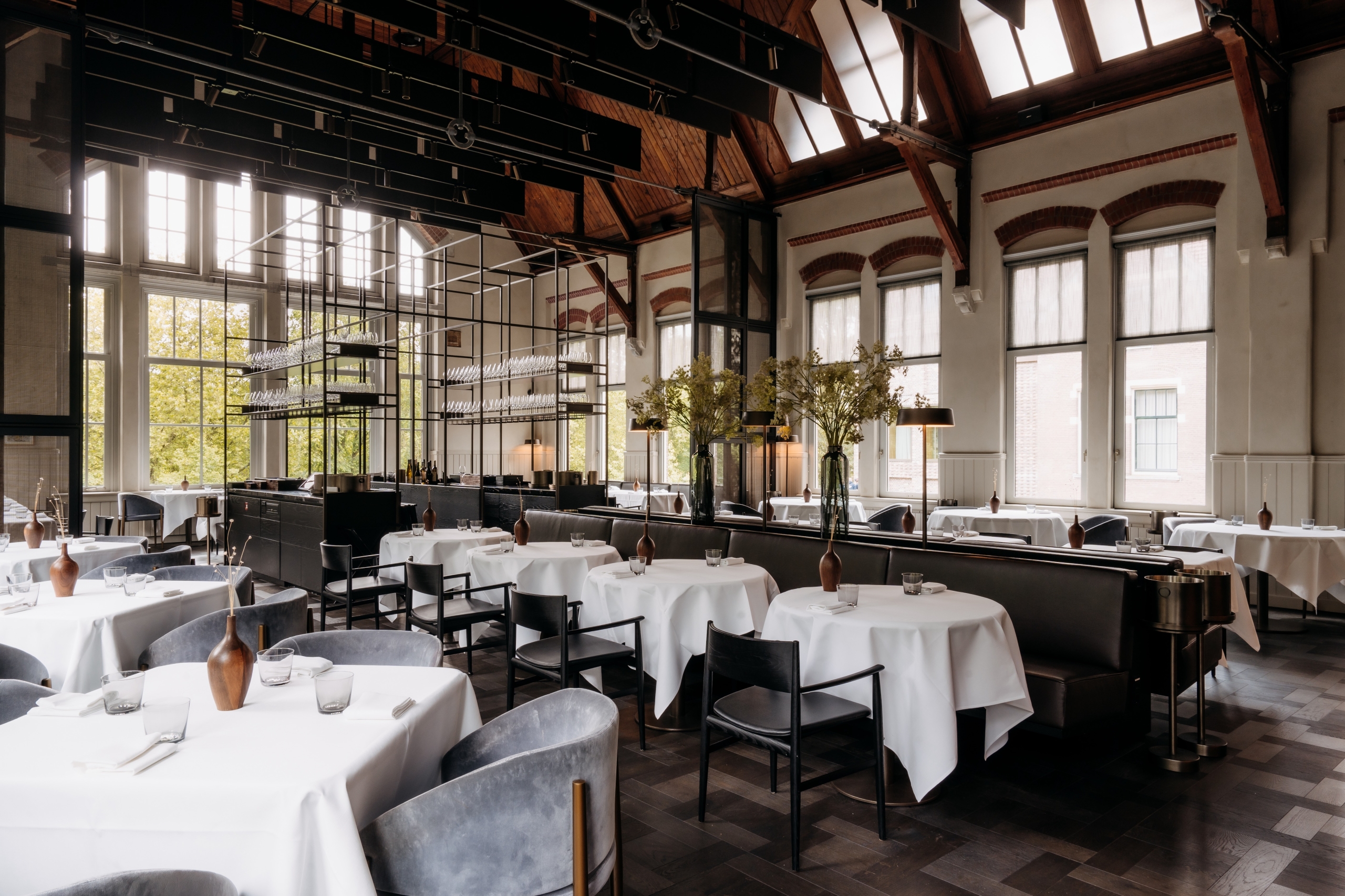
The tasting menu unfolded over about three hours and included surprise bites between courses, which enriched the arc of the evening. The Chef’s Table faces the open kitchen so guests can watch the team work. The service team is friendly and professional, explaining ingredients and techniques without overwhelming the meal with long recitations.
VanOost Restaurant:
Address: Mauritskade 61, 1092 AD Amsterdam. Reserve via the restaurant website for the most accurate availability.
Why 72 hours is only a beginning
Seventy-two hours cannot contain 750 years of history. Time in Amsterdam accumulates in building proportions, the angle of a street bend, and daily rhythms. A 72-hour itinerary can take you through museums, a canal cruise, a design hotel stay, and a refined dinner, but what remains is the city’s temperament. The Amsterdam 72-hour guide is meant to be a starting point; each visit reveals only one facet, and part of the city’s appeal is that it never asks to be fully understood in a single trip.
Practical tip: check each museum and restaurant website before you travel for the latest opening hours and reservation rules. The I Amsterdam Card and an open schedule let you follow your curiosity, and often the most memorable moments come from the places you discover by chance.