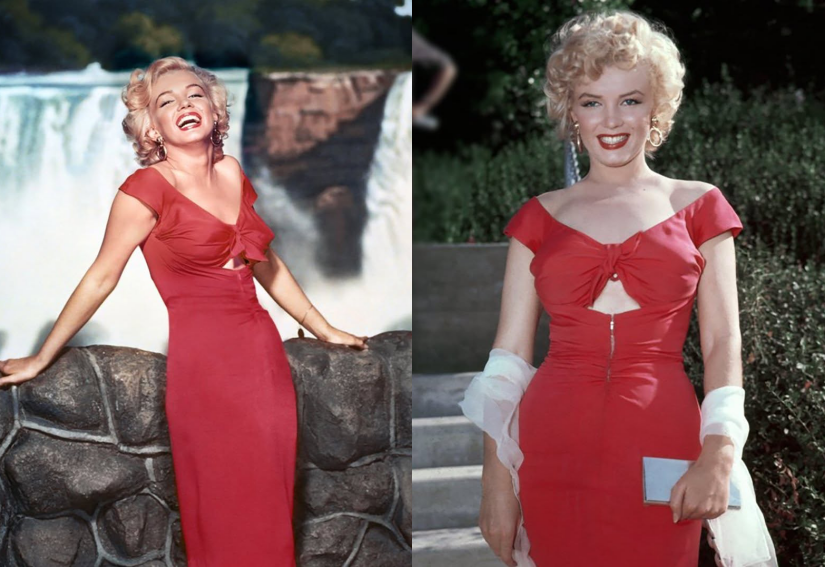



Marilyn Monroe fashion remains a touchstone for designers and popular culture, a fact that is still visible in runways and red carpets in 2026.
Marilyn Monroe fashion, the rise and the record
Marilyn Monroe was born in Los Angeles in 1926 and rose to international stardom in the 1950s, according to biographers Donald Spoto and Barbara Leaming. Her image — bright red lips, platinum hair, and a defined waistline — became shorthand for Old Hollywood glamour, the biographers write.
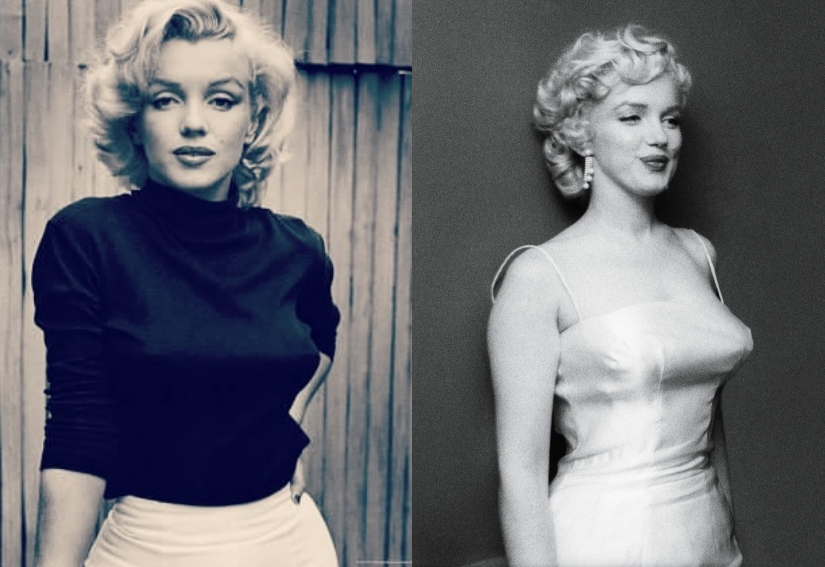
Signature elements: red lips, platinum hair, hourglass silhouette
Designers and costume historians point to three recurring elements that define Marilyn Monroe fashion: the saturated red lip, the bleached, waved hair, and clothing cut to emphasize an hourglass figure. These elements are visible in contemporary collections as a deliberate reference rather than a literal copy, fashion commentators noted in coverage of recent runway shows.
Monroe favored high-waist pencil skirts, fitted knit tops, and waist-defining corsetry or bodices, choices that industry wardrobe records and film credits show repeatedly. Costume records from her films confirm the practical simplicity of many of her looks, a contrast to the more elaborate gowns she also wore for stage moments.
The white dress moment, a scene that defined a look
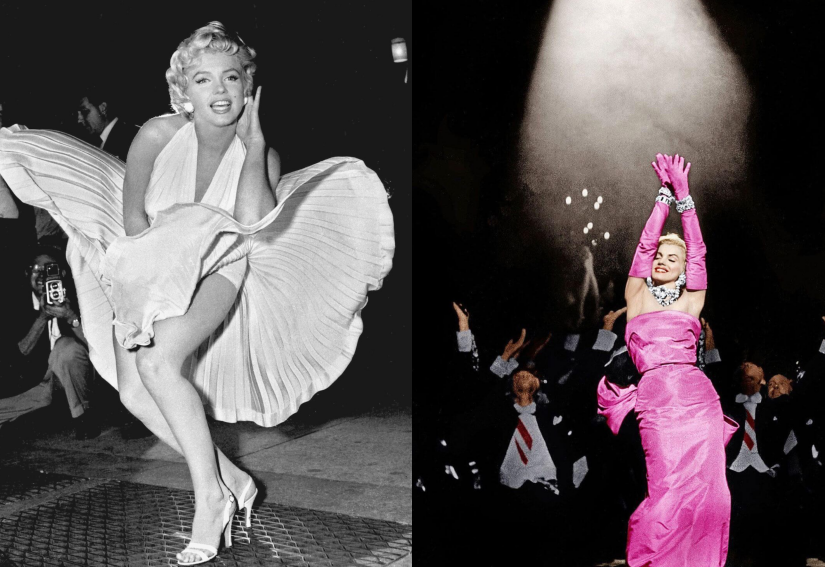
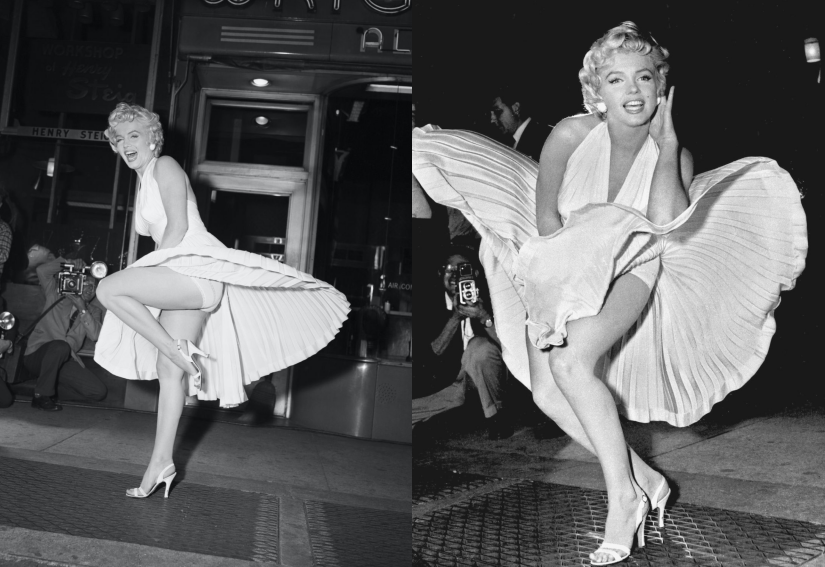
One of the most enduring images in cinema, the white dress scene in Billy Wilder’s 1955 film The Seven Year Itch, turned a garment into an icon. Film credits list the moment as a defining publicity image; film scholars have long treated the scene as a visual shorthand for Marilyn Monroe fashion and 20th century screen sexuality.
Stage and screen gowns: Gentlemen Prefer Blondes
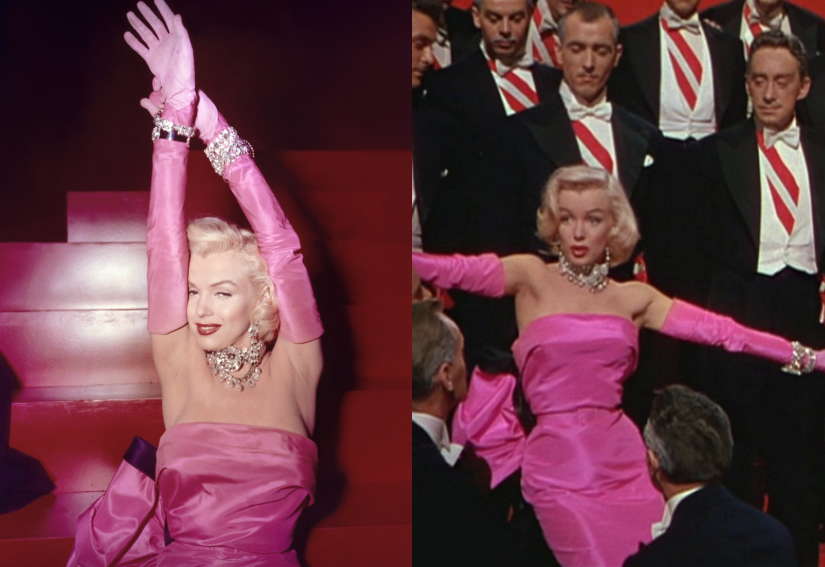
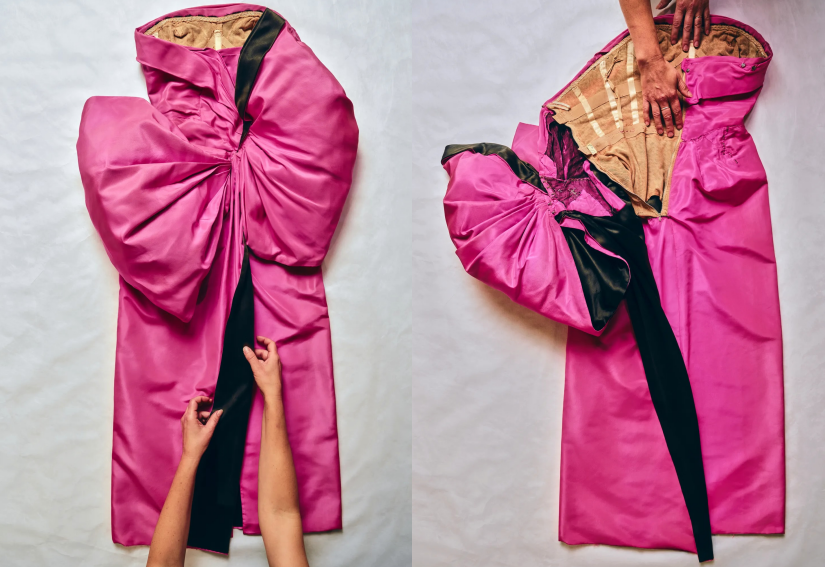
In the 1953 film Gentlemen Prefer Blondes, Monroe appears in a memorable fitted pink gown during a musical number, credited in the film’s wardrobe notes as a carefully staged showpiece. The film remains a frequent reference point when writers discuss Marilyn Monroe fashion and midcentury musical costume design.
The Jean Louis dress and a modern echo
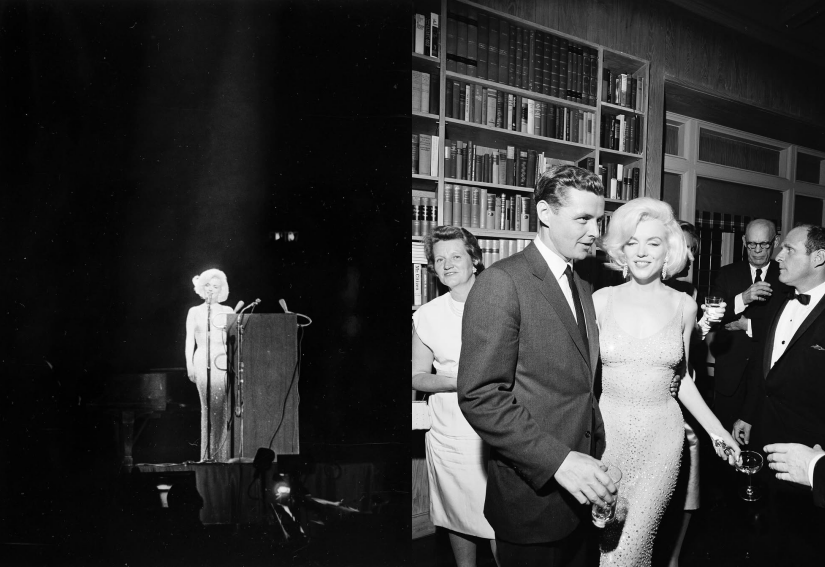
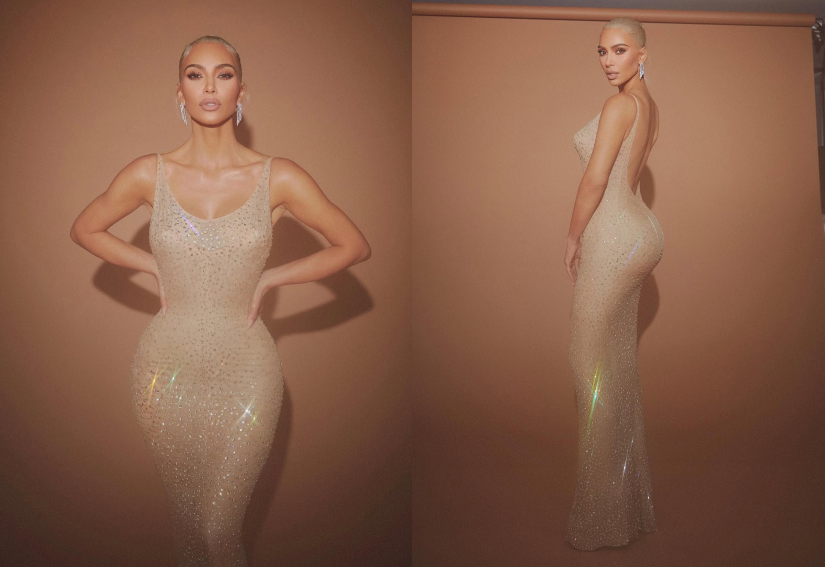
The sheer, skin-tone gown Monroe wore while singing “Happy Birthday, Mr. President” in 1962 was designed by Jean Louis and is described in costume records as hand-embellished with thousands of crystals. The garment has had recurring cultural afterlives, most recently when Kim Kardashian wore the original dress at the 2022 Met Gala, a moment widely covered by fashion outlets including Vogue.
Why designers return to Monroe
Designers say the appeal of Marilyn Monroe fashion is its combination of immediacy and versatility, traits discussed in interviews with contemporary couturiers. Costume scholars and exhibition curators explain that Monroe offered a template of costume, publicity, and personal styling that is easy to reference and adapt.
Curators who organize retrospective shows note that Monroe’s looks allow designers to play with proportion, color, and texture while signaling a certain cinematic femininity, a recurring theme in museum labels and catalog essays. These exhibitions and catalogues keep Monroe’s visual language in circulation for new audiences.
A continuing legacy
More than a century after her birth, Marilyn Monroe fashion still serves as a shorthand for a kind of screen-era glamour that designers revisit when they want an immediate cultural reference. That continued presence is visible in runway citations, museum shows, and celebrity red-carpet choices, which together sustain her status as a recurring muse.