




Plant collagen vs animal collagen is a frequent question as more people adopt plant mucilage foods and assume they replace animal collagen, but the two are chemically different and serve different roles in the body, Joey Wong (黃彥澄) said.
Plant collagen vs animal collagen: Key nutrients for collagen synthesis
Collagen is a major structural protein in skin, joints and other connective tissues. Its building blocks are amino acids obtained from dietary protein, and vitamin C is an essential cofactor that helps stabilize collagen structure during synthesis, Wong said.
To support collagen production, aim for adequate protein from animal or plant sources and regular vitamin C intake from fruits and vegetables. Without enough amino acids and vitamin C, the body cannot synthesize collagen efficiently, she added.
Plant mucilage versus animal collagen
Plant mucilage refers to polysaccharides in plant cell walls, including soluble fiber and mucilaginous compounds found in wood ear fungus, okra, kelp and aloe. These compounds support gut health and slow digestion, but they do not convert into animal collagen inside the body, Wong said.
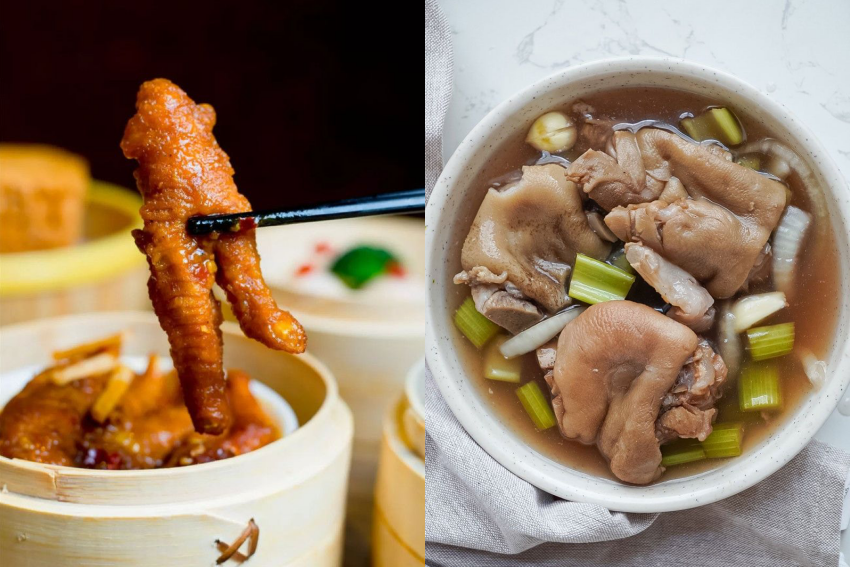
Animal collagen comes from connective tissues in animals, such as fish skin, pork skin, chicken skin, pig trotters, chicken feet, beef tendon and long-simmered bone broth. The intact collagen molecule is very large, and the body must break it down during digestion into smaller amino acids before absorption.
Collagen molecules are large, about 300,000 daltons, so they are not absorbed intact. Gastric acid and digestive enzymes break those proteins into amino acids that enter the bloodstream and can then be used for new collagen synthesis, Wong explained.
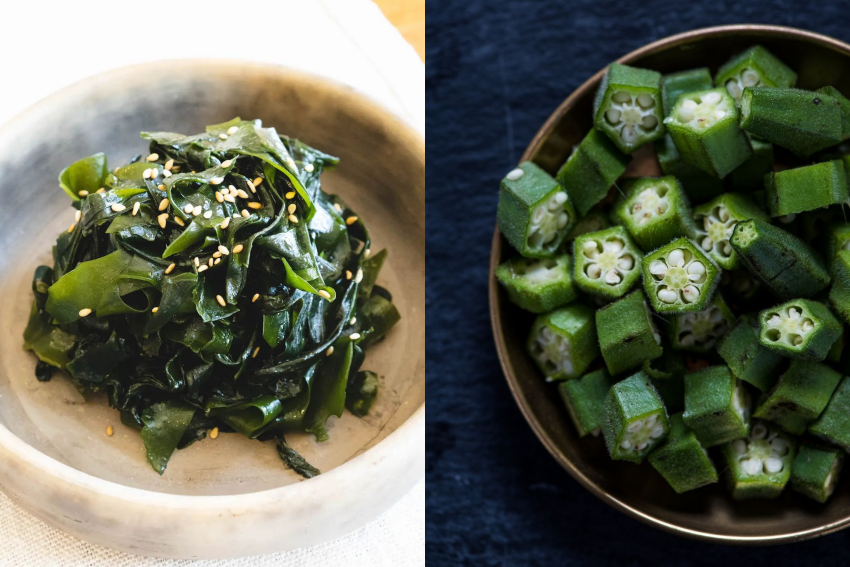
Five common plant mucilage sources and what they offer
| Wood ear fungus | High in soluble dietary fiber and polysaccharides, it helps bowel motility and supports gut clearance. Its gelatinous texture adds satiety, making it useful in weight management. |
| Okra | Rich in viscous mucilaginous polysaccharides that can help stabilize blood sugar. Okra also supplies vitamin C and minerals, supporting immunity and metabolism. |
| Kelp | Contains alginate and iodine. Its mucilage slows intestinal transit, which can aid nutrient absorption and support thyroid function when iodine intake is appropriate. |
| Aloe | Provides specific polysaccharides and antioxidants that may soothe the digestive tract and support metabolic health when consumed appropriately. |
| Agar | A gelatinous seaweed product that is low in calories and high in fiber. It is commonly used to support bowel regularity and as a light, filling ingredient in reduced calorie meals. |
Easy plant mucilage recipe: okra, wood ear and kelp chilled salad
| Ingredients | Steps | |
| Okra, wood ear and kelp chilled salad | 8 to 10 okra pods 50 grams wood ear fungus, rehydrated (about 1.8 ounces) 50 grams kelp strips (about 1.8 ounces) 1 teaspoon olive oil 2 slices fresh ginger 1 teaspoon minced garlic 1 teaspoon soy sauce 1 teaspoon lemon juice Salt and black pepper to taste | 1. Rinse okra and briefly blanch with the ginger until just cooked, then shock in ice water to keep a crisp texture. Slice diagonally and set aside. 2. Rinse and drain rehydrated wood ear fungus, then slice into small pieces. 3. Blanch kelp strips with ginger, rinse with cold water and drain. 4. Combine okra, wood ear and kelp in a large bowl. Add minced garlic, olive oil, soy sauce and lemon juice. Toss until evenly coated. 5. Season with salt and black pepper, chill in the refrigerator for 30 minutes for the flavors to meld, then serve. |
Plant mucilage offers many health benefits, but it should not be treated as a direct substitute for dietary collagen or protein. A balanced diet that includes sufficient protein, vitamin C and other nutrients is necessary to support collagen synthesis and overall health, Wong said.
Increase fiber intake gradually. Rapid or excessive increases in soluble fiber can cause bloating or gas, so introduce mucilage rich foods slowly and monitor how your body responds.
About the source: Joey Wong (黃彥澄) is a registered nutritionist and practices with Kat-Spirit Nutrition Health Centre. She is listed as a registered practitioner with Hong Kong Dietitians Association. For more information, her practice page is available on Facebook at https://www.facebook.com/katspirit.nutritionists/.