

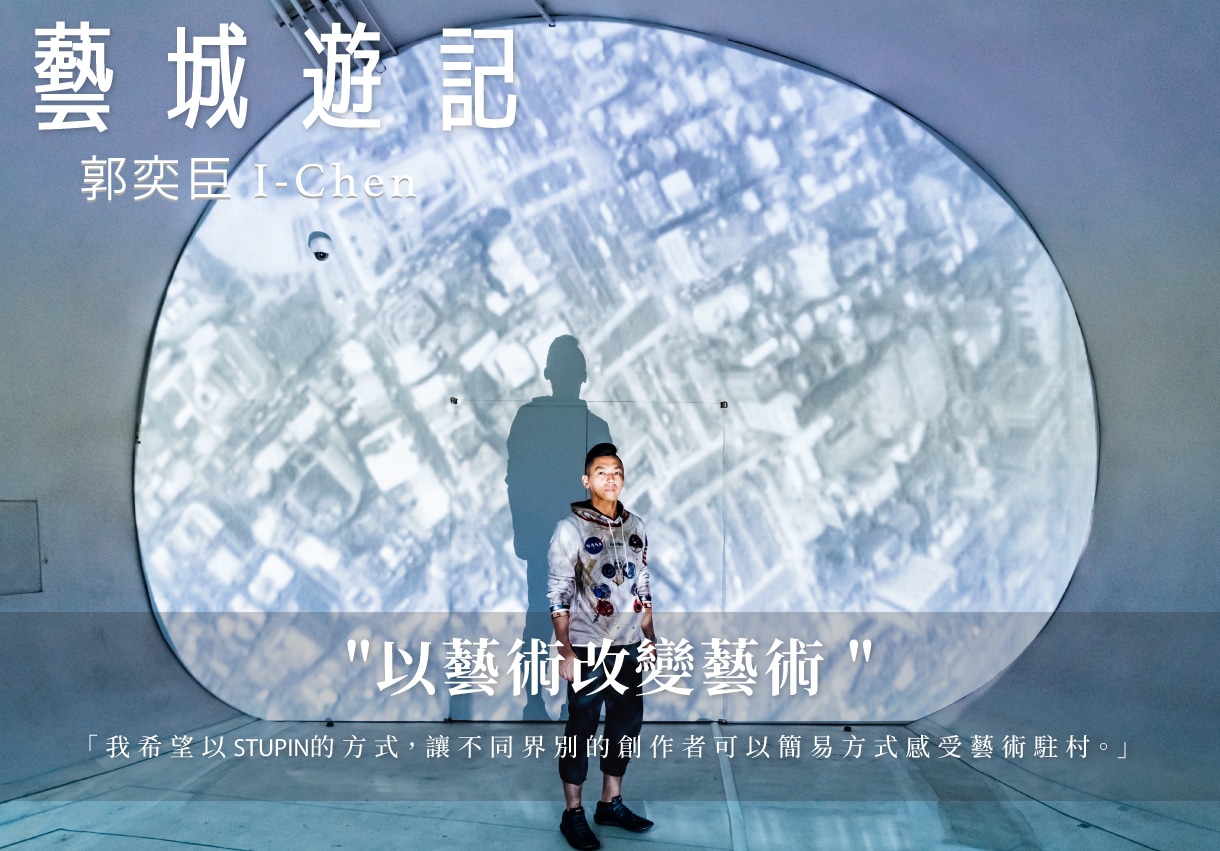
Taiwan digital artist Kwok Yik San (郭奕臣) continues to explore questions of life through his work, and he founded the artist residency platform STUPIN to open doors for Taiwanese artists abroad.
Kwok first drew wide attention with his breakout work “Invasion,” which in 2005 made him, at 26, one of the youngest artists to represent Taiwan at the Venice Biennale. The piece led to invitations to the Singapore Biennale, the Sydney Biennale, the Seoul Media Art Biennale, and an exhibition at Germany’s ZKM Center for Art and Media as part of an “Asian New Wave” program. That year he also won the Taipei Art Award top prize.
That early, high profile success freed him to concentrate on making work without compromise. Over two decades his practice has shifted from anxiety driven pieces to quieter, more inward work rooted in daily life. He stages cycles of self inquiry through sculpture, video, and site specific installations that weave biology, astronomy, and life philosophy into objects assembled from reclaimed mechanical parts and discarded household items. Viewers and critics have described his work as poetic and atmospheric.
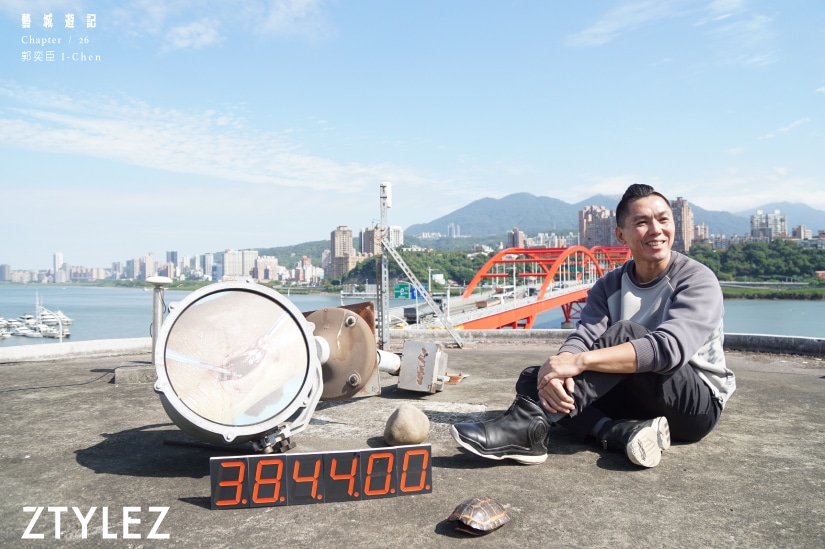
This visit to his Taipei studio, called Bridgehead Studio, explores how local place and daily routines feed his practice, and why he founded STUPIN as an alternative residency model for Taiwanese creators.
Taiwan digital artist Kwok Yik San and Bridgehead Studio
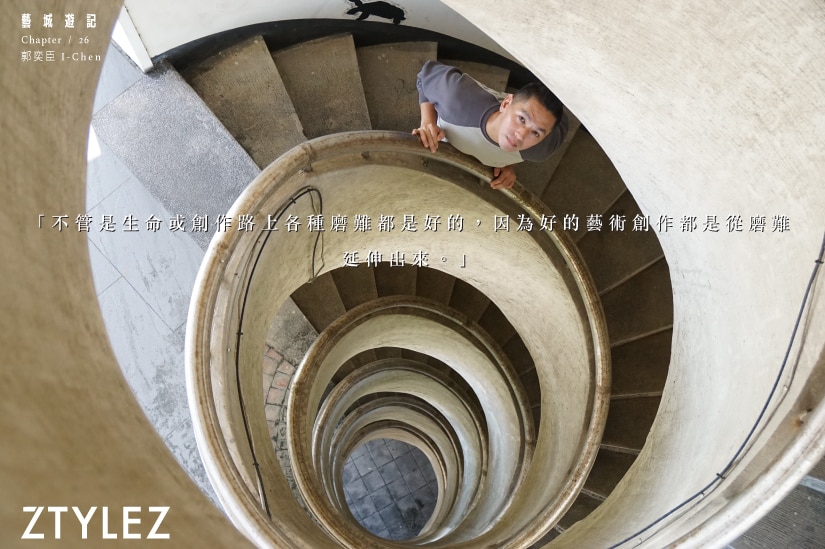
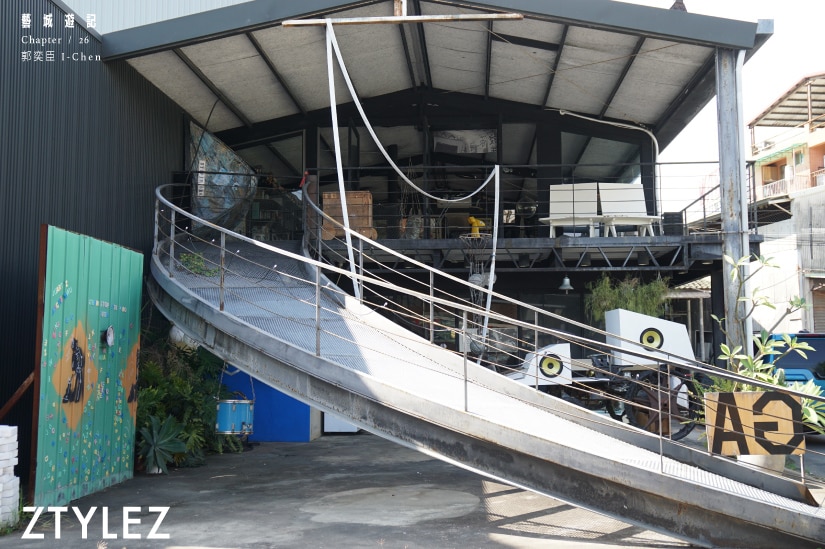
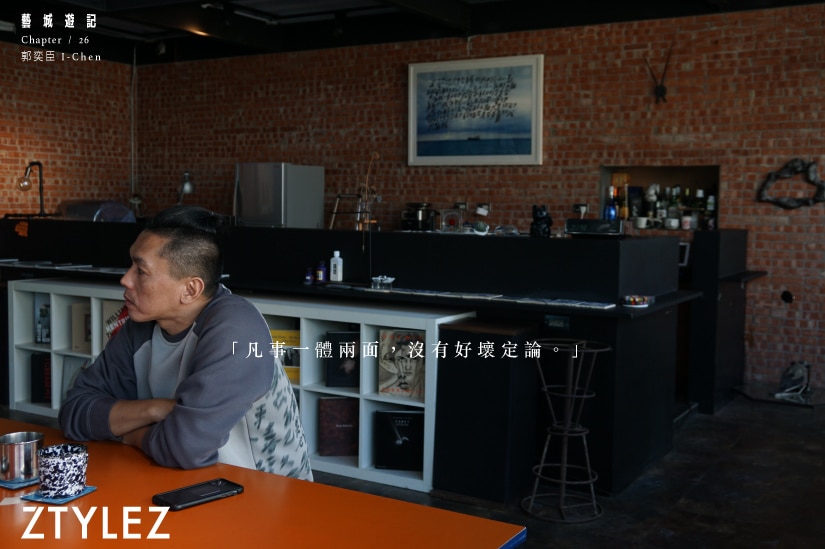
Bridgehead Studio sits beneath the Guandu Bridge on the Tamsui River, in the Bali area on the northern edge of Taipei. The two story warehouse has tall windows, abundant natural light, and a spiral stair that links the floors. Kwok named the space Bridgehead to recall his hometown in Kaohsiung and because the studio sits at the literal end of the bridge.
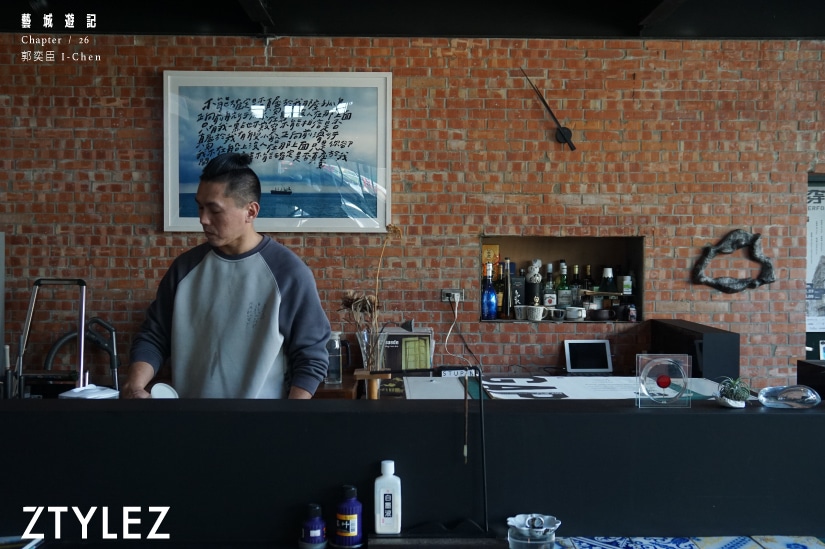
The space serves as Kwok’s exhibition venue, working studio, and a residency site for visiting artists. It was once a coffee shop and storage facility, and the high ceilings and red brick counter gave him a sense of finally having a home in Taipei after 16 years living in Ximending.
From anxiety to everyday materials
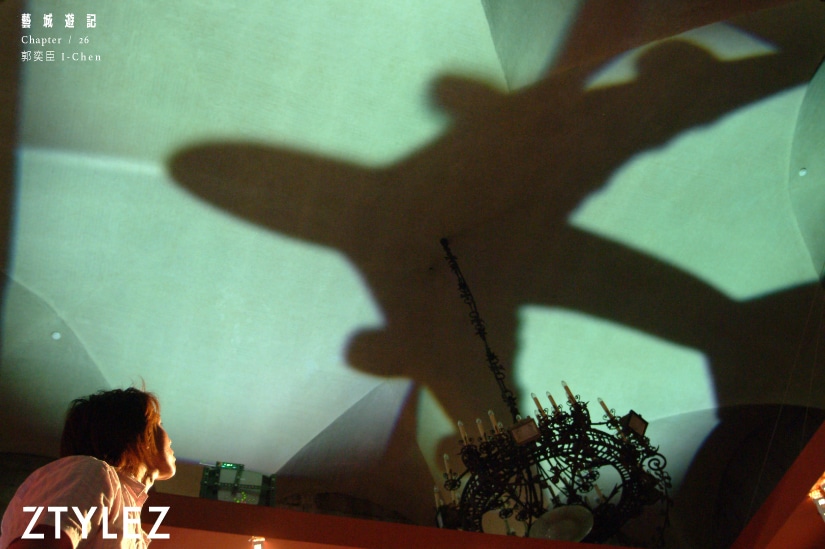
Moving to Bridgehead marked a shift in Kwok’s creative outlook. Early work drew on the anxiety he felt after moving from Kaohsiung to Taipei in 2000; his breakthrough piece “Invasion” projected aircraft shadows to distort a familiar space. Today he mines daily life and family memory for material and meaning.
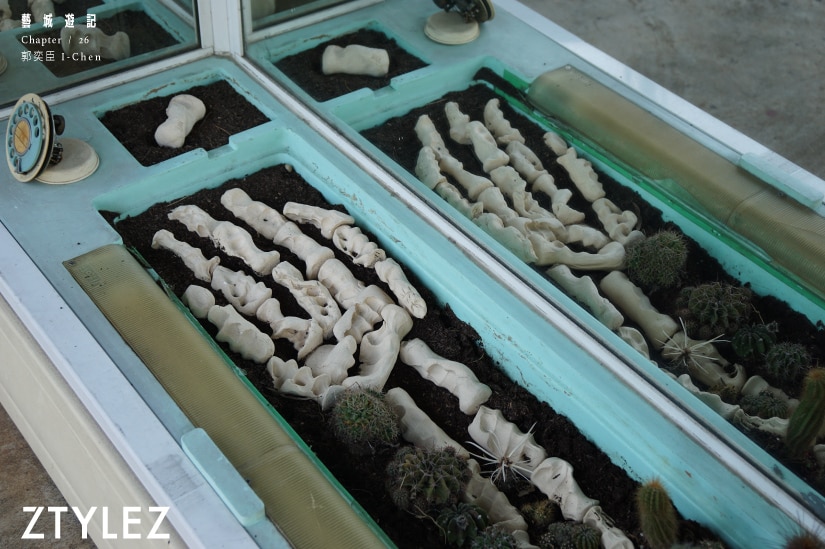
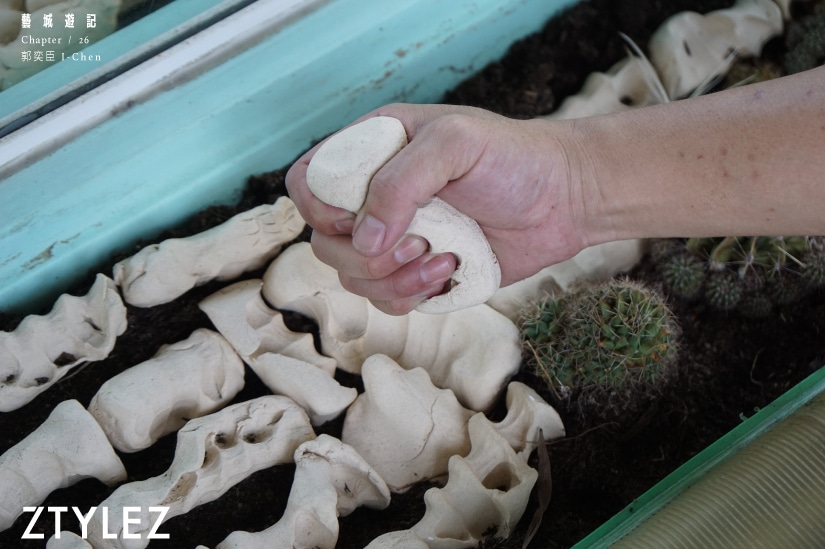
One work, Hands, is assembled from small hand shaped ceramics made by family members, and examines intimacy, distance, and injury within family relationships. “My work is a slice of how I understand the world,” Kwok said. “I turn questions about life, the environment, and mental states into objects and situations that invite reflection.”
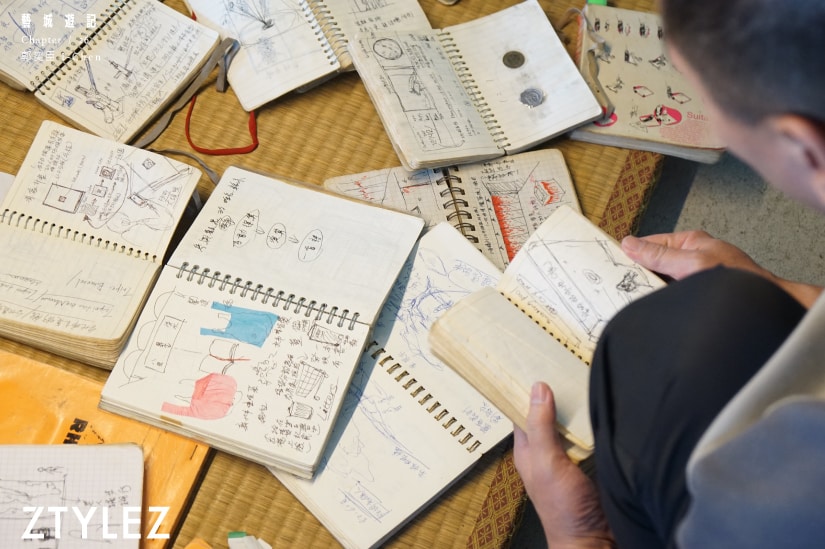
He added that creative energy is distilled from ordinary life. “I keep a notebook every year, and ideas live there until the right moment arrives,” he said. “For me the best creative state is to stay curious, to look at the world like a child and let curiosity lead you to unexpected stories.”
How site and new media shape his practice
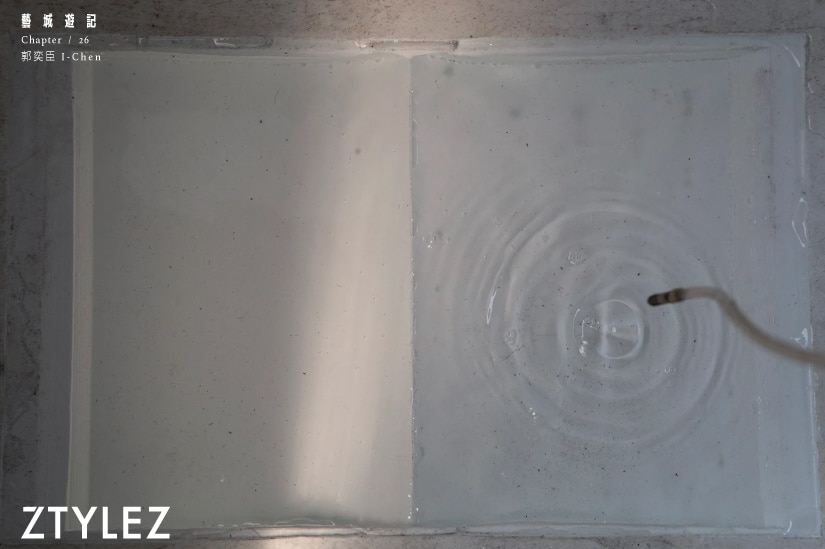
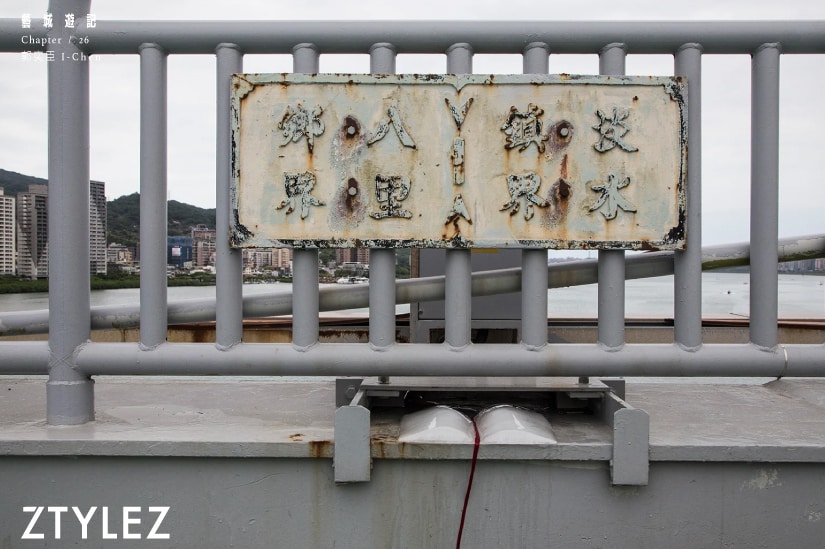
Kwok works across media so a piece can be image, liquid, or solid. He prefers site specific projects that turn an environment into the work itself. For example he has used dehumidifiers to collect moisture and freeze it into an “ice book,” then placed that object on a bridge to let the river and the sun return it to the landscape.
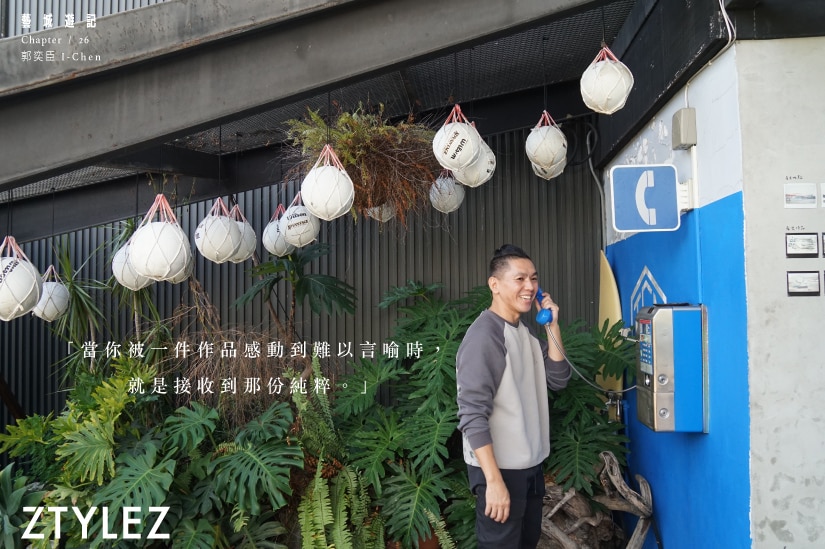
New media expands what a work can be, he said, because digital forms can escape the constraints of a framed canvas. “I like using space and environments as my materials,” Kwok said. “My first major piece was a projection, not a physical object, yet it carried me around the world.”
He believes artistic purity is hard to define. “When a work moves you beyond words, you have received that purity,” he said. As technology evolves, boundaries between painting and new media blur, and younger artists are expressing digital sensibilities through traditional techniques as well.
STUPIN, a decentralized residency platform
Kwok developed STUPIN after years of international residencies in the United States, Portugal, the United Kingdom, and France. He said residencies were formative because they let him observe a city as an outsider and focus creative attention on the present.
STUPIN has connected 20 cities and 46 studios, and registered 273 local cultural guides, Kwok said. The platform has helped more than 100 artists secure residencies by trading studio access instead of relying on competitive grants or institutional selection.
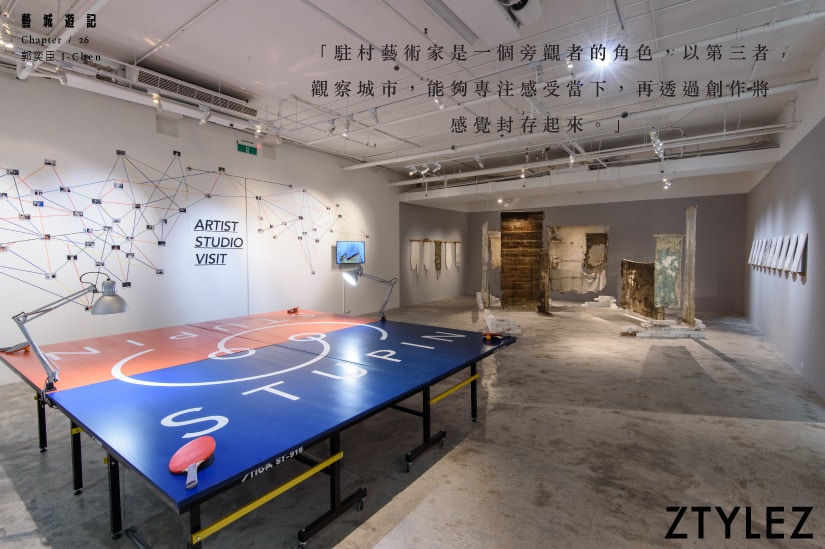
The model is simple: registered members list their studios for exchange, and visiting artists cover travel costs only, then live and work in a host studio for a period. Kwok said this breaks down rigid residency structures and lowers the barrier for writers, therapists, and emerging artists to experience time away for creative development.
He also converted his family compound in Kaohsiung into an open residency space called No Thing Studio, where artists are encouraged to rest and recalibrate rather than produce an exhibition on a fixed schedule.
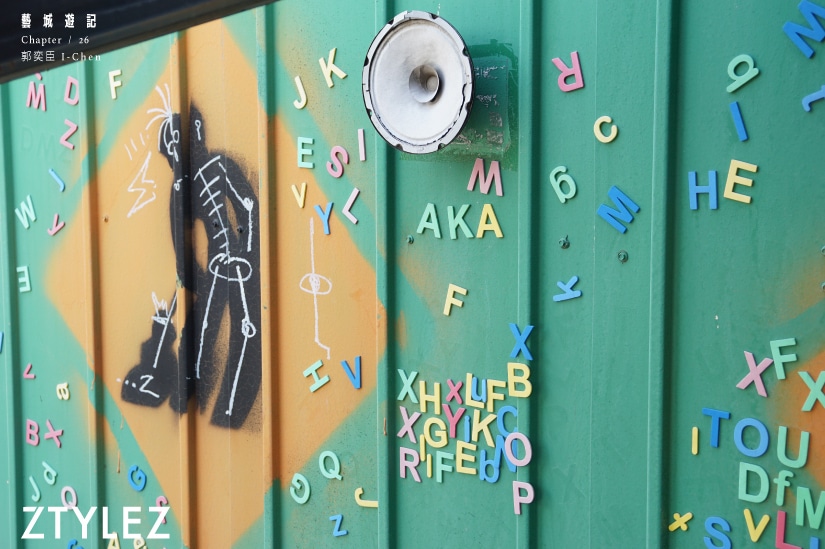
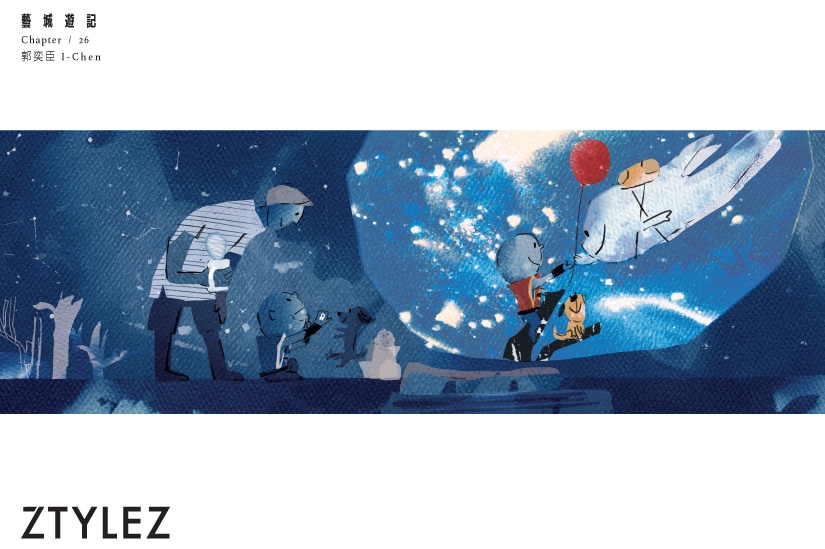
STUPIN accepts work in any medium, from visual art to performance, literature, and film, and emphasizes mutual exchange rather than institutional gatekeeping. “I am not a large organization and I do not have vast funds, but I can offer opportunities to artists around the world,” Kwok said.
On Taiwan and international art scenes
Kwok watches neighboring Hong Kong and the wider region with interest. He noted that Hong Kong’s role as a financial hub has attracted large international galleries and fairs, which can raise visibility for local creators. He hopes Taiwan will also host more international galleries so Taiwanese artists gain broader exposure.
He described STUPIN as both a practical platform and a work of social design. “I wanted to help this ecosystem be more diverse,” Kwok said. “If a garden had only one plant, it would be boring. I want to make space for many voices and practices.”
Interview and text: Kary Poon
Photographer: Wei