


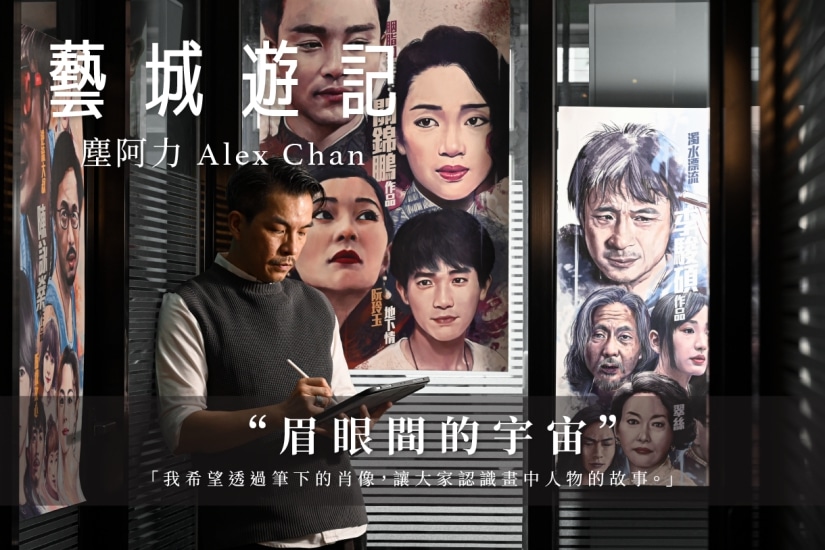
Alex Chan portraits capture how a Hong Kong artist freezes film faces on canvas, turning movie moments into finely observed portraits that trace a lifetime of cinema memories, beginning in the Western District where he grew up.
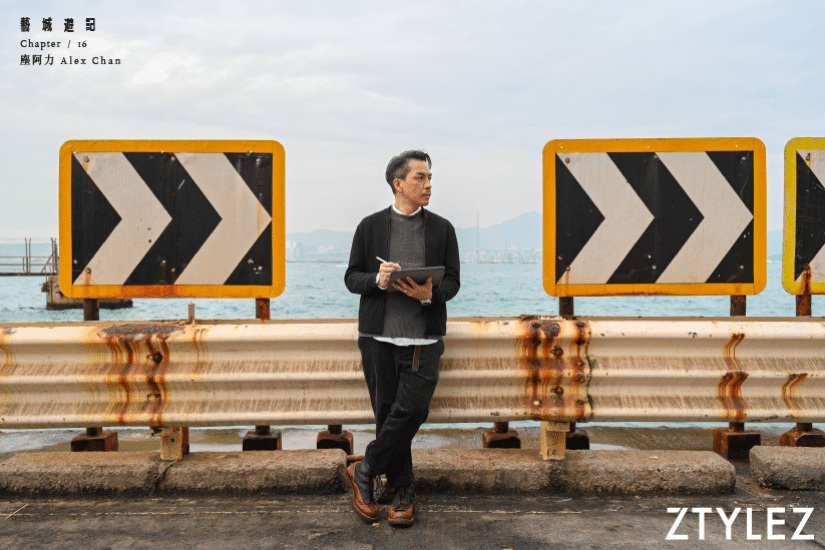
Alex Chan is a self taught artist and lifelong movie fan who translates screen characters into portraits that focus on expression, light, and small details. Alex Chan said his interest in film shaped the subjects he chooses and the way he composes each piece.
Working in image and design for most of his life but without formal art schooling, Alex returned to painting in 2017 and opened the social page “塵阿力映畫” to share his work. He restarted painting in 2017, and exposure on social media led to invitations from film companies, work for the Hong Kong Film Awards, and the publication of a personal art book titled 星塵画報.
“Movies and I were never apart.” Alex Chan said.
Alex grew up in Sai Wan (the Western District of Hong Kong), including a spell living on a boat in the Shek Tong Tsui area. He said that going to neighborhood cinemas with his father was a central part of family life and the origin of his love of film.
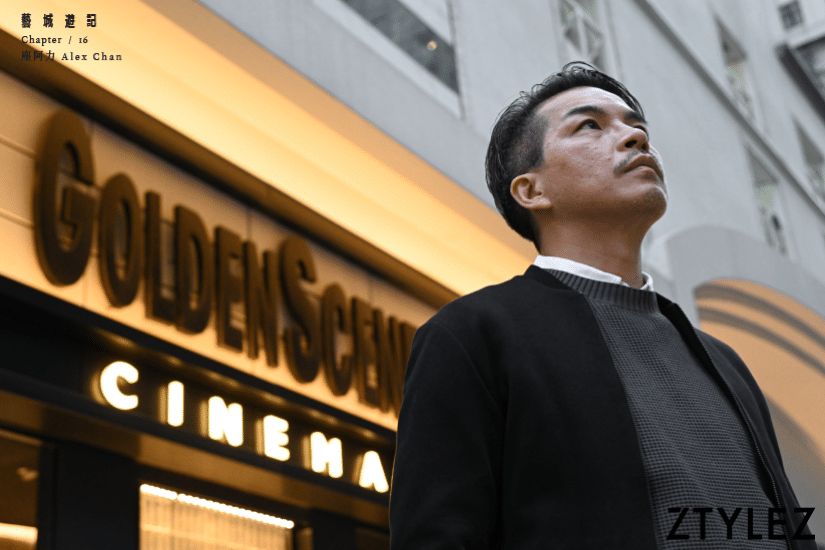
He remembers Sai Wan at its cinema heyday, when two or three theaters served the neighborhood. Even after his family moved away, the neighborhood and its cinemas stayed with him, forming the emotional background for the film characters he would later paint.
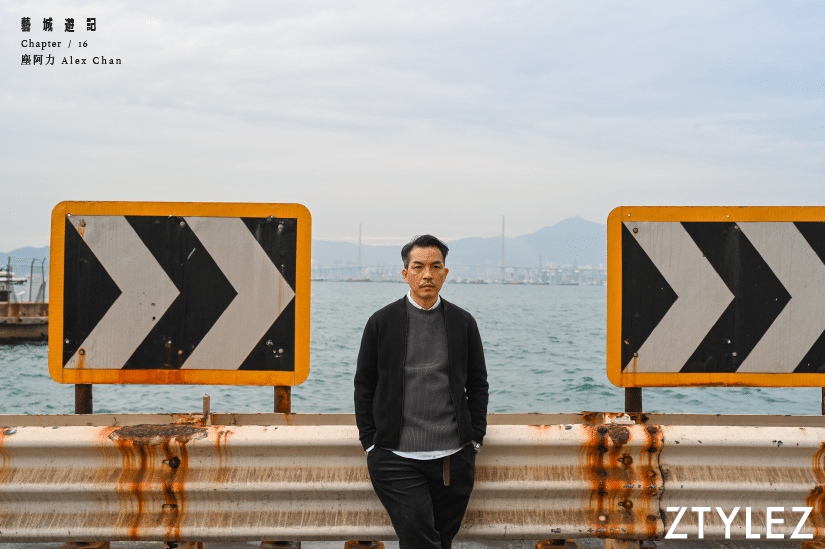
Alex said he once considered recording the neighborhood in landscape painting, but realized his strength was portraiture, and that the films he loved were already an intimate part of what Sai Wan gave him. “The film knowledge I have and what film gave me came from the local cinemas here,” he said.
He put many of those memories and choices into 星塵画報, a book that pairs portrait work with short texts about the films and the moments that mattered to him. Alex said the book is part art book and part memoir, and that readers often discover the book reveals as much about him as about the characters.
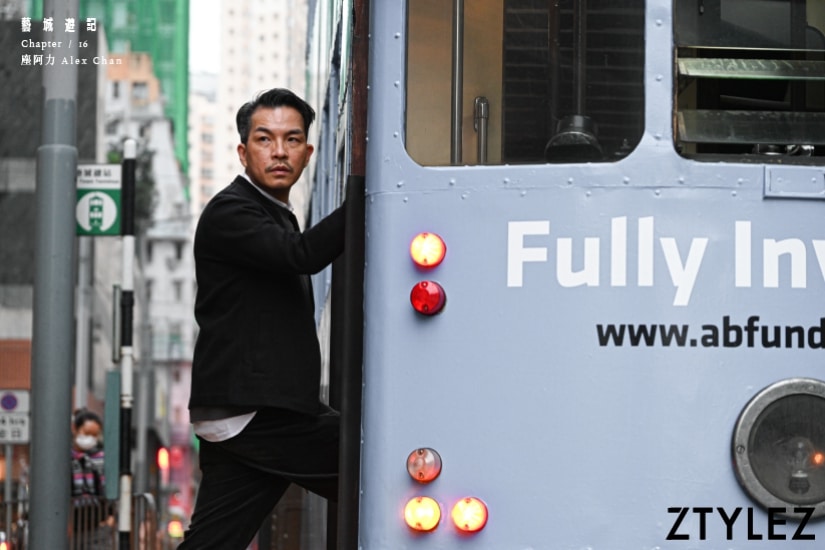
“I want people to understand who the person in my portrait really is,” Alex said.
Alex collects favorite directors and films and tries to share overlooked classics. His work includes characters from across decades, from 傾城之戀 (Love in a Fallen City, 1984) and 秋天的童話 (An Autumn’s Tale, 1987) to 甜蜜蜜 (Comrades: Almost a Love Story, 1996), 玻璃之城 (1997), and 幻愛 (2019). He said these films shaped his visual sense and the way he studies expression.
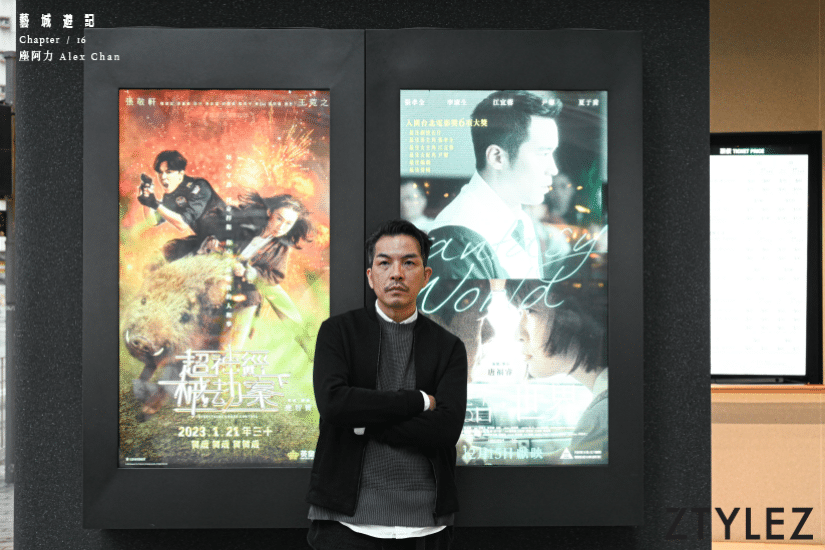
Alex sets the image ratio of his book images to 2.35 to 1, a widescreen format used in cinema, so readers feel the sense of watching a wide screen film when they open the pages. He said the choice is deliberate, an attempt to bring film framing into static portraiture.
For Alex, movies are not instructions on what color or composition is beautiful, but examples of expression, how directors use environment, performance, and dialogue to move a scene. That approach has driven his attention to actors’ subtle expressions and opened his fascination with facial structure.
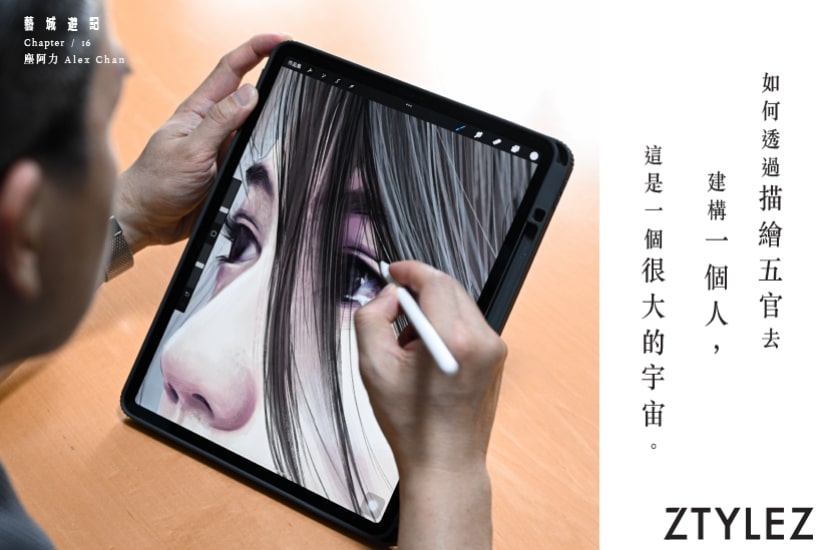
He said portraiture attracts him because each facial structure is unique and requires careful study. “You have to understand the structure, and then extend outward, to know how a person is constructed,” he said. Alex spends the most time on the eyes, which he calls a vast universe within portrait composition.
“I spend a lot of time choosing the best moment,” he said.
Choosing an image is a deliberate process. For the 90 characters in his book, Alex said he did not rely on a simple web search. He rewatched films, gathered related clips, and searched for that ideal half second or single frame that best captured the role he wanted to paint.
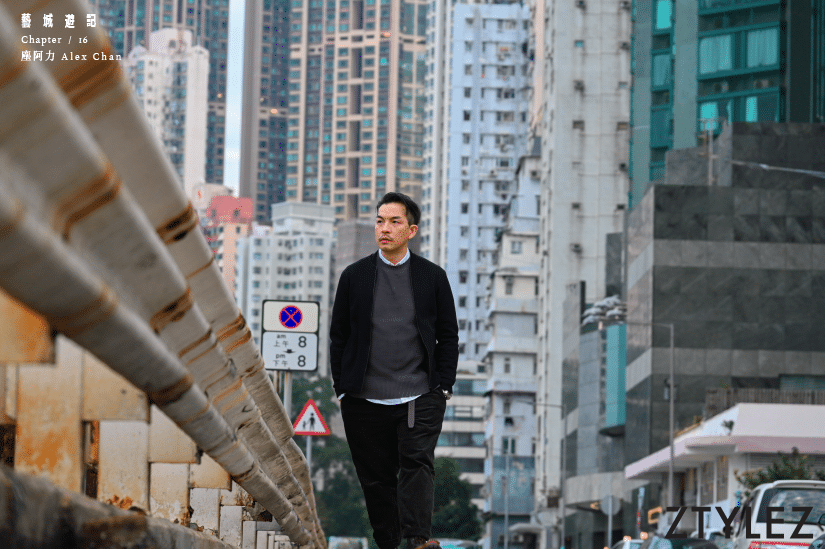
After locking the right frame, he considers color, light, and facial angle to ensure the image freezes the moment he envisions. He describes the process as painful but joyful, a search for presence and for traces of himself in other faces.
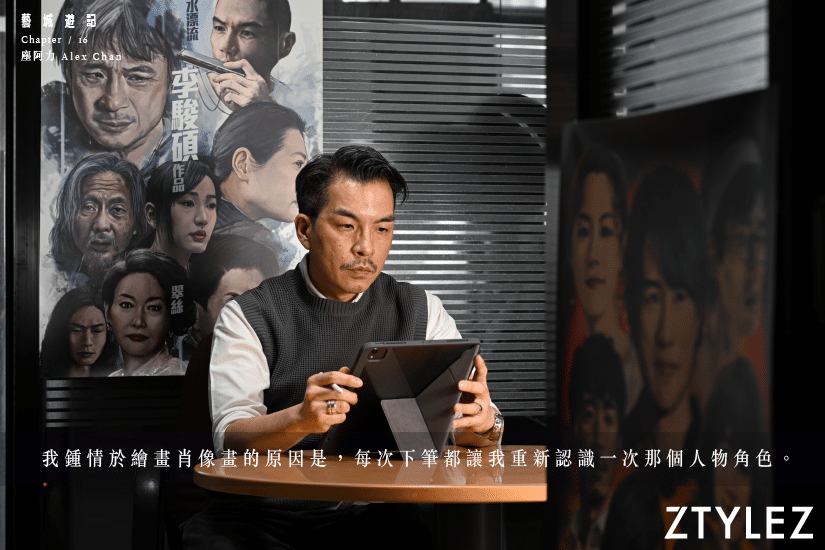
He finds surprises during painting. “I often have a concept before I begin, but after I finish I discover new things about the person. I sometimes get to know the character again through painting,” Alex said.
“Creating has allowed me to meet in real life some of the people I painted, which was unexpected.”
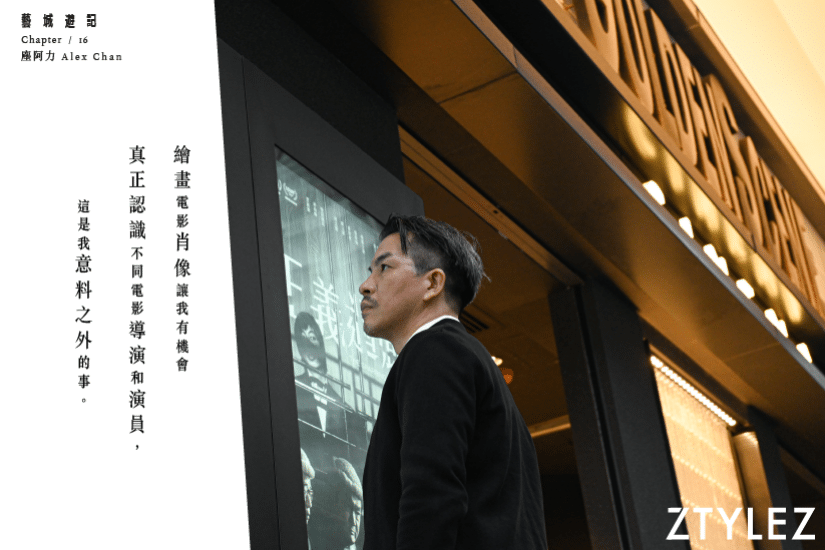
Opportunities followed his film centered work. After connecting with the director of the film 逆流大叔, director Chan Wing shun (陳詠燊), he was invited to paint the Hong Kong Film Awards list of best actress nominees, to publish his book, and to work on other stage and media projects. Alex said none of those collaborations were expected when he first began sharing his portraits online.
Over the past year he worked on a three month television project called “Director Door” where he painted 21 works for 21 local directors. The project let him meet figures who had inspired him and brought his online practice into real life.
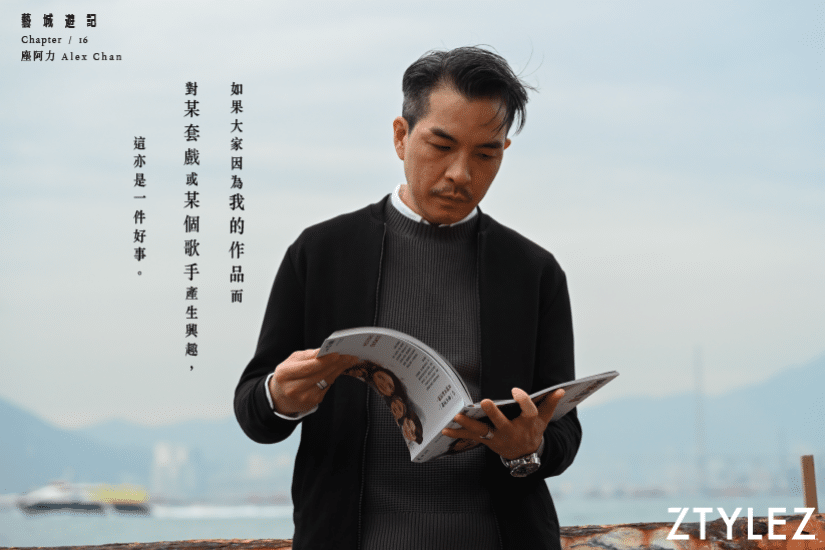
Alex cares most about whether viewers can see the person behind the portrait and reconnect with era specific moments in music, film, and culture. “If someone listens to a song or seeks out a film because of my work, that is a good thing,” he said.
During the pandemic years more people paid attention to local new generation actors, directors, and singers. Alex said he wants to use art to promote both popular and classic culture, and to encourage others to notice Hong Kong creators. “I may not be able to help directly, but I can tell people who follow my work to listen and to look,” he said.
Executive Producer: Angus Mok
Producer: Mimi Kong
Interview and text: Ruby Yiu
Videographer: Andy Lee, Alvin Kong
Photographer: Ken Yeung
Video Editor: Andy Lee
Designer: Michael Choi
Location: 3birds Coworking Space
Special Thanks: Alex Chan