


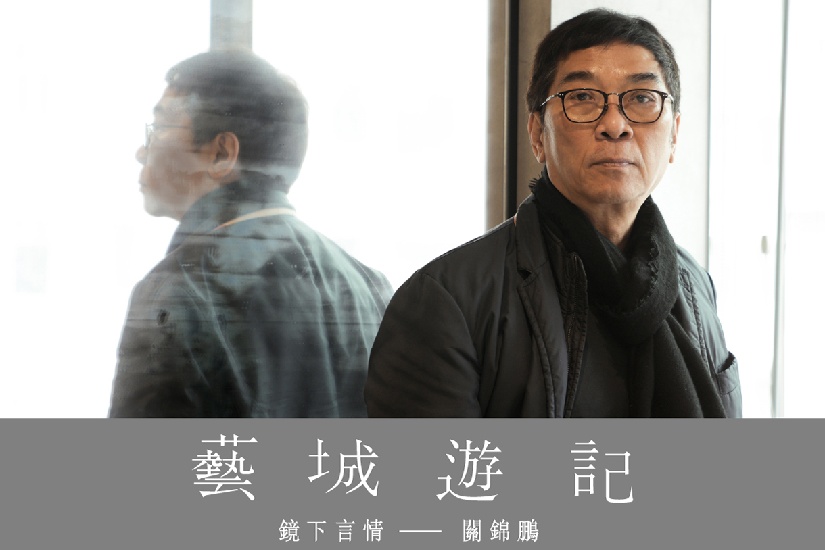
Stanley Kwan interview: Several of his films were restored to 4K and returned to theaters last year, bringing a new generation of viewers to work he has been making for more than 40 years.
Over four decades in Hong Kong cinema, director Stanley Kwan has built a reputation for finely observed dramas that center on emotional lives, especially those of women. His early films and later classics have earned nominations at the Berlin and Venice film festivals and honors at the Golden Horse Awards and the Hong Kong Film Awards, according to festival records.
In the 1980s, when martial arts and broad comedies dominated the Hong Kong box office, Kwan pursued a different path, insisting that character come first in his filmmaking. That approach shaped work from his debut to titles such as Rouge, Centre Stage, Lan Yu, and Everlasting Regret, and it informed his later teaching work at City University of Hong Kong, Kwan said in an interview.
“Being a director often means being both masculine and feminine.”
Kwan said his films combine artistic and literary impulses with deeply realized characters. “From the obsessive Ru Hua in Rouge, to the shy Lan Yu, to the world-weary Wang Qiyao, each character has a full interior life,” he said.
Asked what personal qualities help him create those parts, Kwan recalled a 1996 documentary for the British Film Institute about 100 years of Chinese cinema. Speaking with director Chen Kaige during research, Kwan said he discussed the idea that a director may need both male and female sensibilities to understand a range of characters.
“Even before I publicly acknowledged my sexuality, I knew who I was, and that awareness gave me a sensitivity toward female experience,” Kwan said. He said the recognition led him to a frank conversation with his mother about his identity, and to the realization that those inward struggles inform his work.
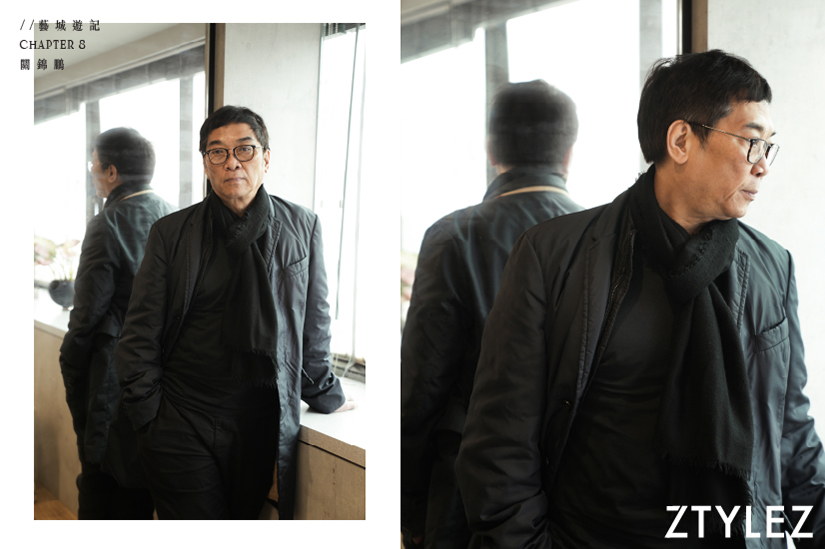
Those who meet Kwan in person describe him as formal and quietly composed, with a calm presence that mirrors the measured rhythms of his films. That composure, he said, lets him attend closely to emotion while keeping the necessary distance to shape performance.
“The script is essential, and character comes first.”
Kwan emphasized the centrality of the screenwriter and the script to his process. “When a character exists on the page, the rest of the production can do the work of supporting that person,” he said.
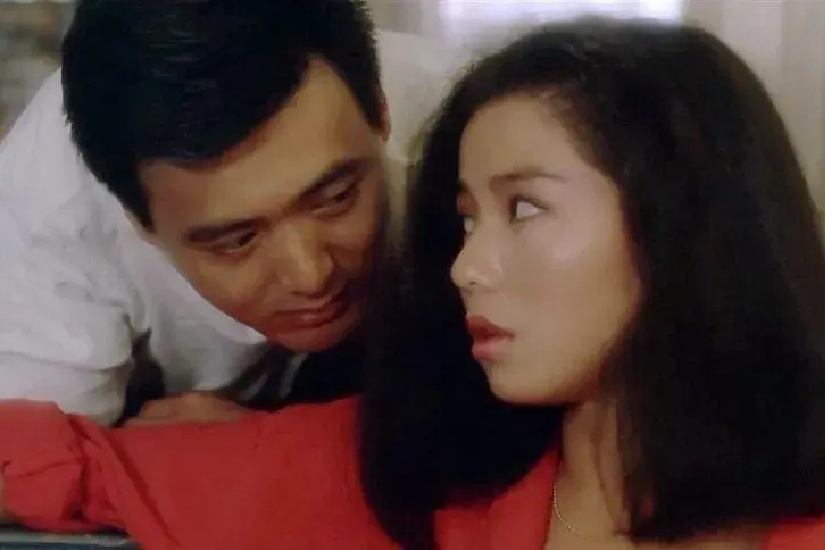
On his first film, Woman, Heart, Kwan said he and screenwriter Qiu Gang-jian researched actors, locations, and social context before shaping scenes. “We did a lot of homework to understand why characters would behave a certain way, so their choices would feel earned,” he said.
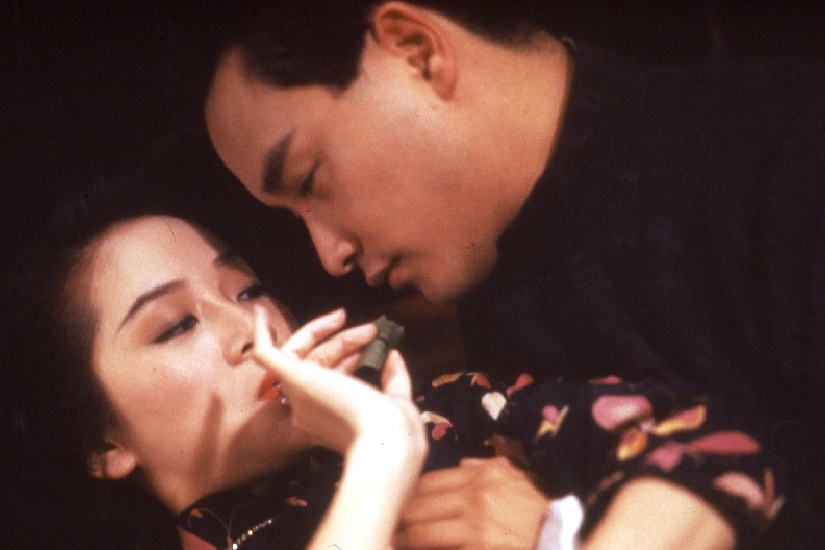
Discussing Rouge, adapted from an Annie Poon Li-ping novel, Kwan said he and the writer rebalanced the story to make it, in his words, “a love story rather than a ghost story.” He focused on the 1930s thread between the leads to deepen the emotional core.
By staging the character Ru Hua in both male and female dress and varying makeup and costume, Kwan said the production matched Anita Mui’s chameleonic public image at the time and let the actor embody the part fully.
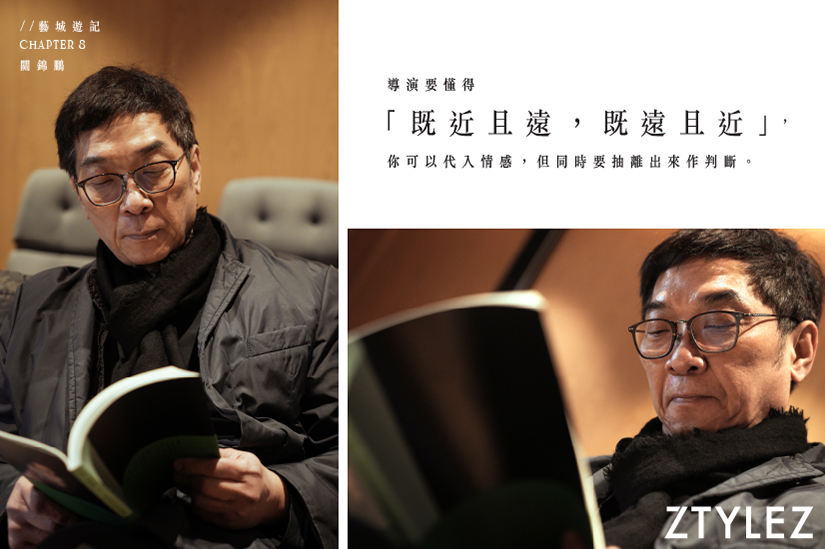
“As a director you must be both near and far.”
Kwan said directors must cast an eye as both participant and judge. “You can draw emotion from experience, but you must be able to step back and decide if a performance is what you want,” he said.
On Lan Yu, a film that charts a same-sex relationship, Kwan said he resisted stereotyped, gendered casting expectations and instead trusted the actors to find truth in the roles. He recalled long preparation periods when principal cast members lived and rehearsed together to build rapport.
“I remember the two leads living in a hotel with the crew, doing script reads and rehearsals, which helped them inhabit the roles,” he said. “By the time we shot, they were performing, and gender ceased to be a barrier to the emotion.”
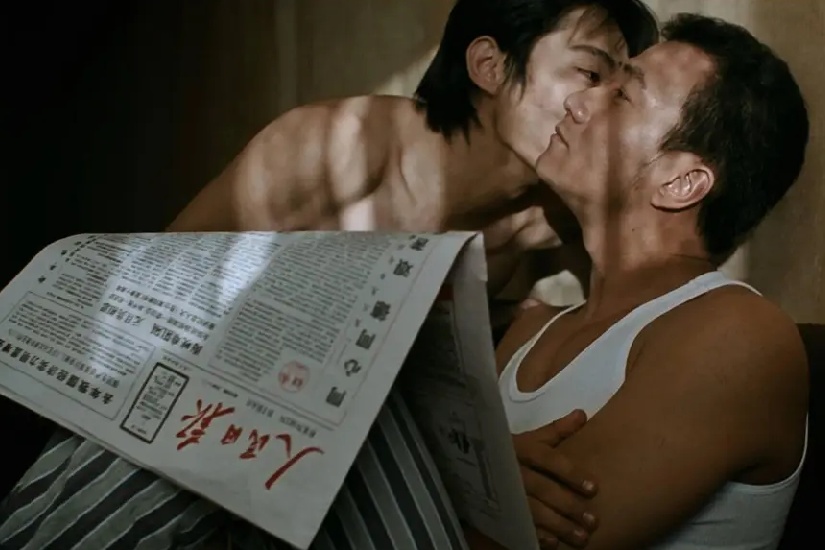
He described a vulnerable early scene that set the tone for the film, and how allowing actors room to work led to an authenticity the whole crew trusted. “When performers have space, sparks happen,” he said.
“I am frank in my communication with actors.”
Kwan said he shares personal experiences and emotional failures with actors when it helps performance, but he also expects them to bring private reserves of feeling. “If a scene stalls, I tell actors to pull from personal memory and move it into the scene,” he said.
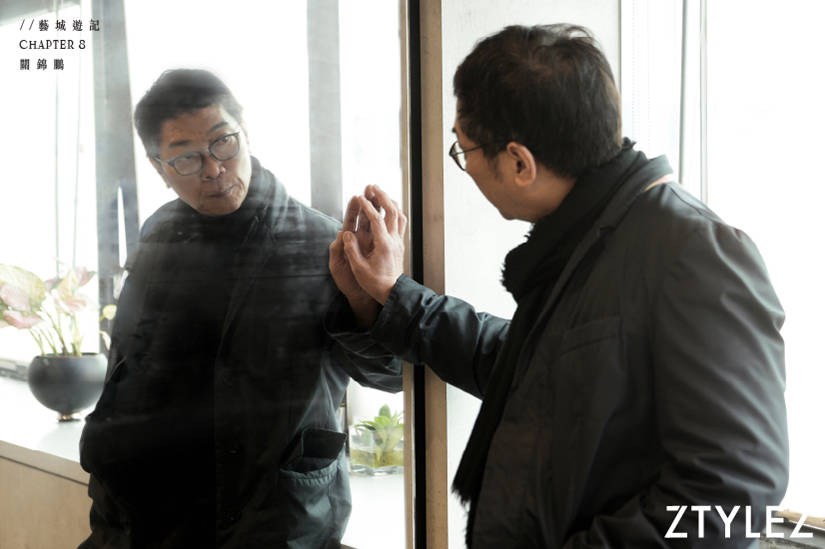
Actors who have worked with Kwan, including Anita Mui, Leslie Cheung, Maggie Cheung, Sammi Cheng, and others, have described him as meticulous and compassionate in interviews and press materials. Kwan says that shared effort creates a sense of mutual trust that endures beyond the shoot.
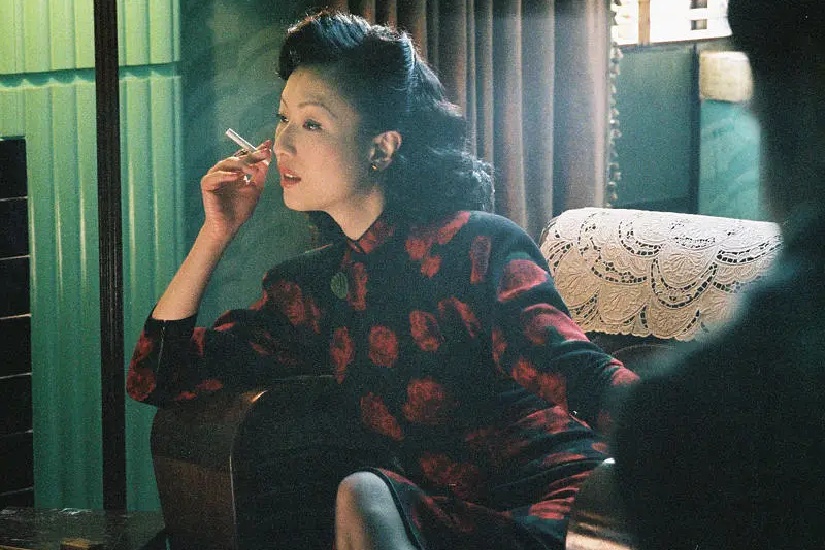
Kwan said the exchange between director and actor is private and often intimate, but the result is public: performances that enter an audience’s memory. “Actors leave a part of themselves on set, and I think we all carry a piece of that experience,” he said.
“Good actors and good students share a hunger for knowledge.”
Kwan’s most recent production, Eight Women Stage a Play (2018), sits alongside his work as a film instructor at City University of Hong Kong and participation in the Arts Development Fund mentoring program, where he advises young directors.
“I tell students to ask why before how, and to find their own voice rather than try to make a Stanley Kwan film,” he said. He encourages them to watch widely, to discover a feeling they want to express, and to develop that into original work.
“As a Hong Konger, there is always something to respond to.”
Kwan has worked in Shanghai, Beijing, New York, and Taiwan, but he said Hong Kong remains his primary creative reference. He urged locally born filmmakers to keep their work rooted in the city, even when budgets are small.
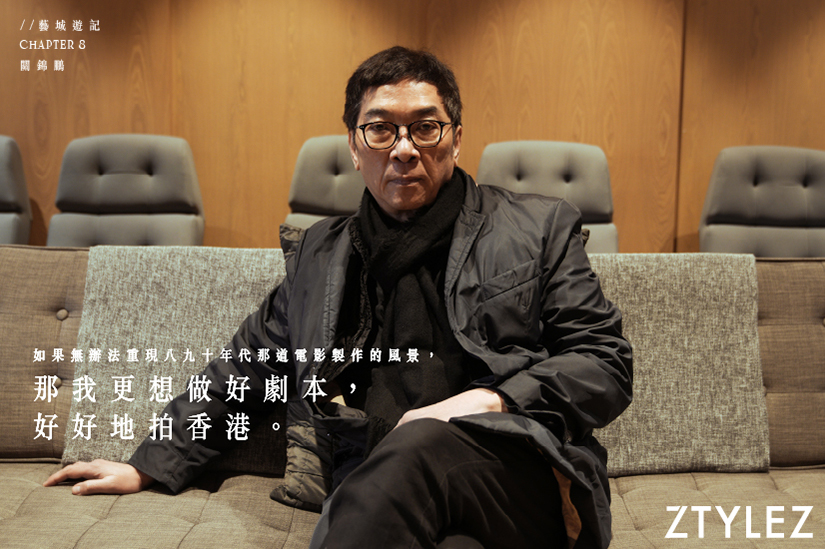
“You cannot recreate the production scene of the 1980s and 1990s, but the spirit remains,” he said. “Look at the city, the neighborhoods, and the architecture; these things will give you material and feeling to record.”
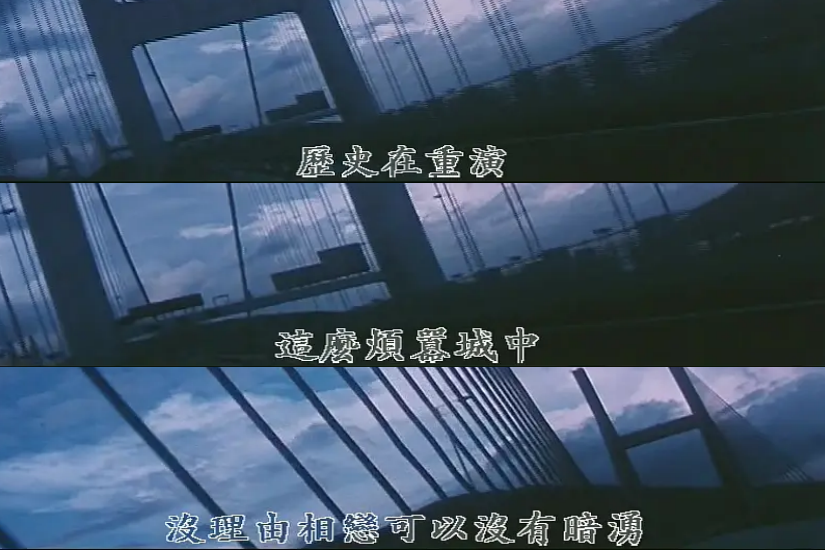
Kwan said that through mirrored images and temporal contrast, his films have often hinted at identity and national themes without overt exposition. He cited recurring motifs, such as the refrain of “Fifty years unchanged” in Rouge, and the use of bridges and cityscapes to evoke historical change.
Knowing that large-scale funding is unlikely to return to earlier levels, Kwan said he plans to focus on strong scripts and faithful portrayals of Hong Kong life. He welcomed the recent 4K restorations, saying it is meaningful when young audiences discover older films on the big screen.
Several of Kwan’s films were restored to 4K last year, a project confirmed by distributor Golden Scene and the director. The restorations and reissues have introduced his work to a younger audience, Kwan said, and that continuation is what makes the cinema meaningful to him.
“For a film to survive and be watched again, that is the point,” he said, smiling. “When young people come to these screenings, the work lives on.”
–
Executive Producer: Angus Mok
Producer: Vicky Wai
Editor: Ruby Yiu
Videography: Andy Lee, Angus Chau
Photography: Angus Chau
Video Editor: Andy Lee
Designer: Edwina Chan
Special Thanks: Stanley Kwan; Golden Scene Co. Ltd.