



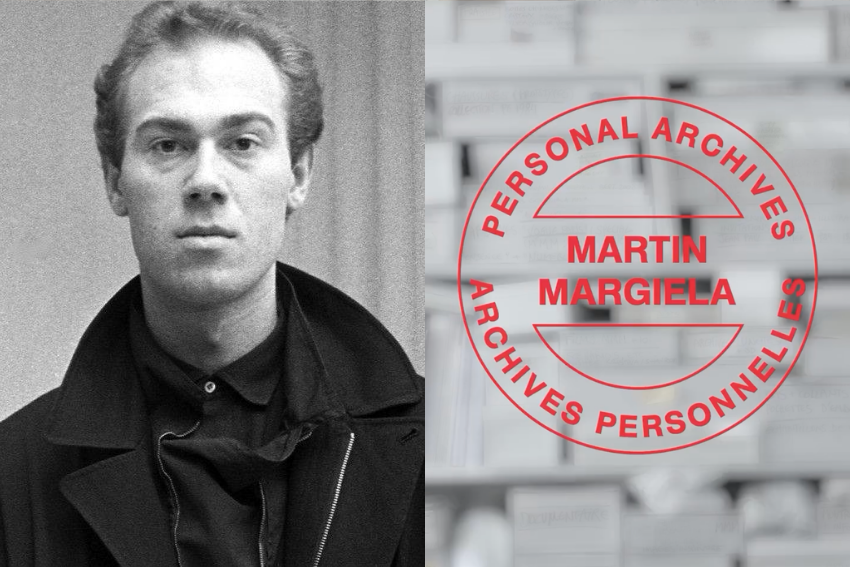
Martin Margiela auction will offer more than 200 pieces from the designer’s personal archive, including garments, sketches, white atelier coats and a group of Hermès items, at a July sale and related exhibition in Paris, the auction houses and the brand said.
What is being sold and why it matters
The Martin Margiela auction, organized by Maurice Auction together with Kerry Taylor Auctions, will present more than 200 lots that span the designer’s career from 1984 to 2008, according to posts from Maison Margiela and the auction houses on Instagram.
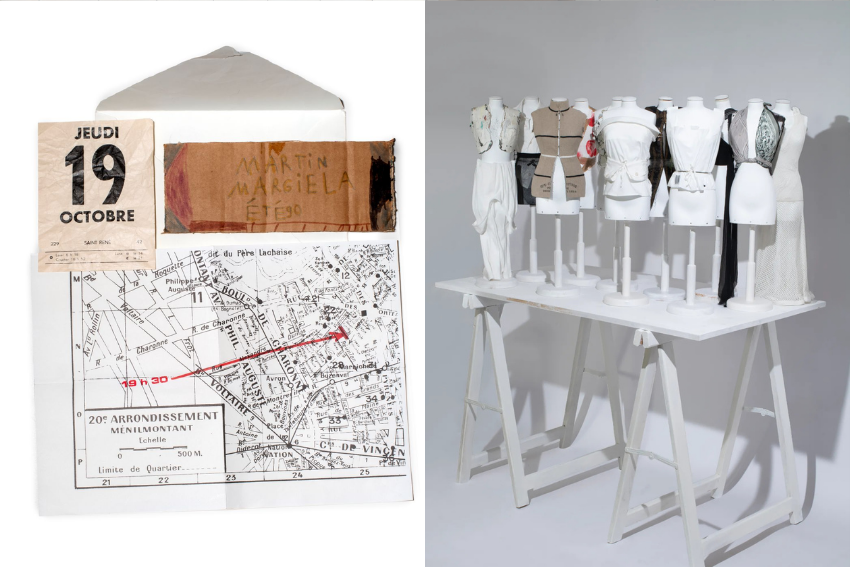
The sale includes garments, private sketches, atelier coats and about 60 Hermès pieces that Margiela had kept for his late mother, the houses said. The items represent the designer’s personal archive, compiled and curated by Margiela himself.
Exhibition and sale dates in Paris
The archive will be shown at an exhibition titled MARTIN MARGIELA ARCHIVES PERSONNELLES from July 4 to July 8, 2026, with the auction set for July 9, 2026, at 2 p.m. Central European Summer Time. The events will take place at 71 rue de la Fontaine au Roi in Paris’ 11th arrondissement, the organizers said.
Maison Margiela, Maurice Auction and Kerry Taylor Auctions posted the exhibition and sale details on their Instagram accounts and on the auction listings, the posts show.
How Margiela built a practice around absence and anonymity
Martin Margiela became one of the most influential and elusive figures in late 20th century fashion. He resisted personal publicity, preferred to speak as “we” rather than “I,” and had his team wear identical white atelier coats so the brand would read as a collective effort.
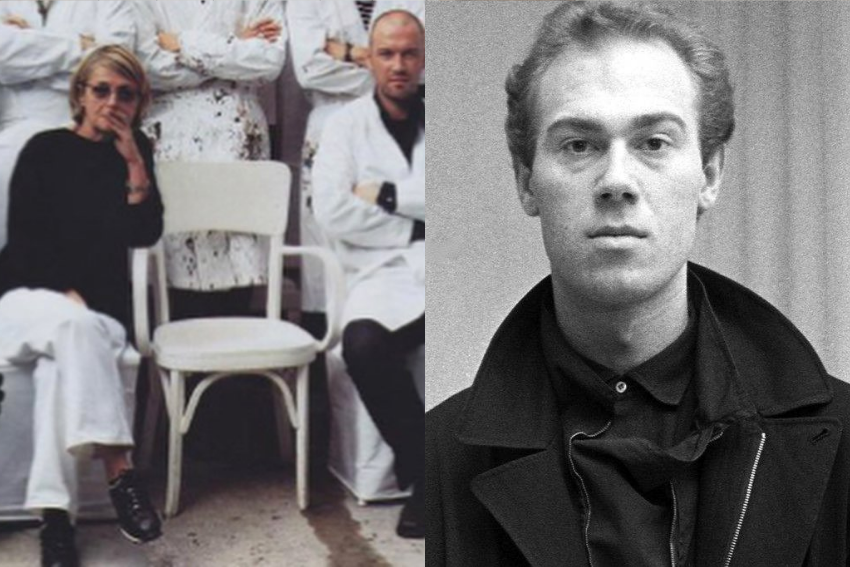
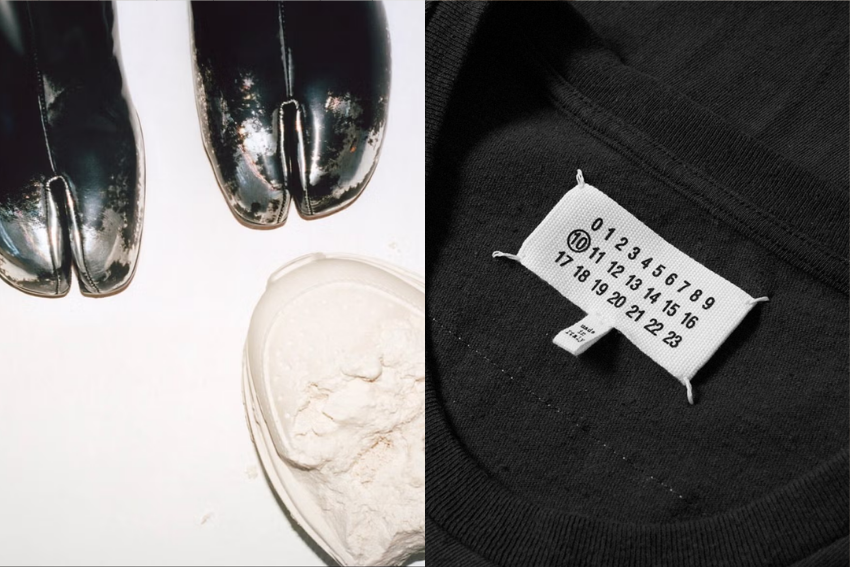
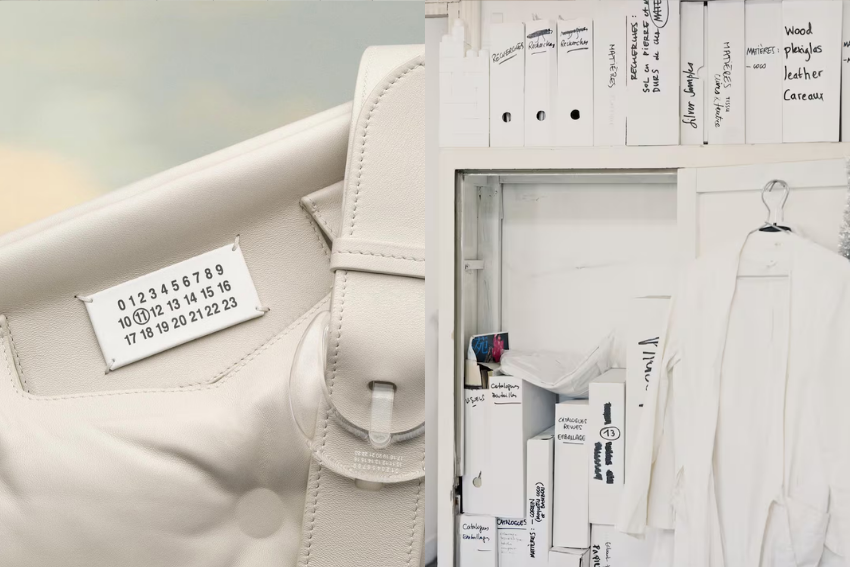
His visual language emphasized what he called anonymity: a blank white label, four stitches at the garment back, faces masked on the runway and his signature split-toe Tabi boot. Those motifs became a recognizable vocabulary precisely because the designer kept his own profile quiet.
From Genk to Antwerp to Paris
Born in Genk, Belgium, in 1957, Margiela studied at the Royal Academy of Fine Arts in Antwerp and worked as a freelance designer for five years. In 1984 he joined Jean Paul Gaultier’s Paris studio as an assistant, where he spent four years refining his approach.
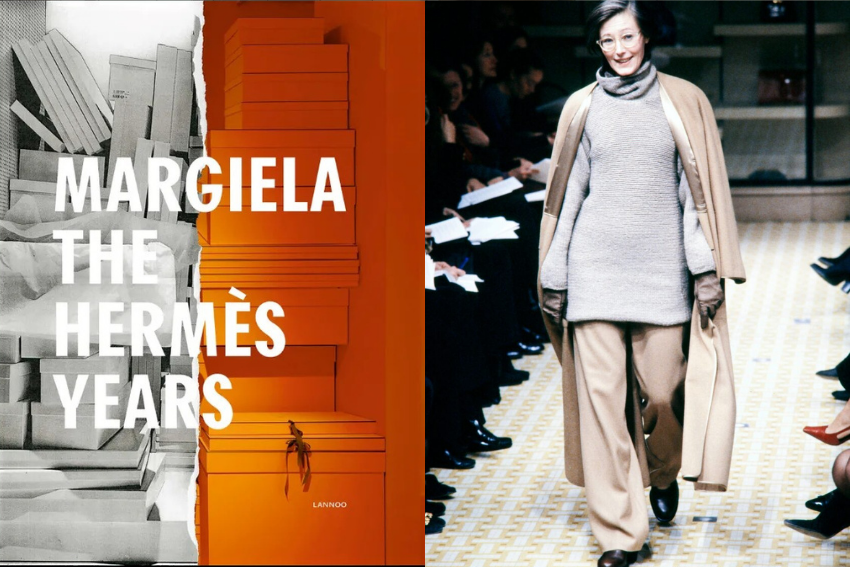
He launched Maison Martin Margiela in Paris in 1988 and quickly established a reputation for deconstruction, reuse of found materials and conceptual staging. When he later joined Hermès as creative director for the womenswear ready-to-wear collection from 1997 to 2003, he introduced new ways of wearing Hermès staples, including the now-classic double-wrap Cape Cod watch strap.
Why the color white mattered
Margiela’s white was not the clinical white of technology or minimalism, but a rough, embracing surface that broke with couture’s polish. He painted studio walls, phones, furniture and faces with a thick white finish using techniques such as Bianchetto paint, creating an anonymous field that directed attention to structure and concept rather than surface glamour.
Margiela’s decision to release his archive
Margiela quietly retired from fashion in 2009 and turned to other artistic work. In recent years he lent pieces to exhibitions and moved archive material between locations, he told the auction houses. After years of reflection, he decided to “let go” of part of his archive so collectors, museums and institutions around the world could access and preserve it.
In a statement included with the auction listings, Margiela said the collection spans 1984 to 2008 and contains photographs, design sketches and objects, including work he did during pandemic lockdowns. He said he hoped the works would bring “pleasure to collectors and institutions,” and that this step represented a farewell to a portion of his fashion memoranda.
Maurice Auction and Kerry Taylor Auctions noted that this sale is unusual: it is one of the first times a living designer has personally curated and released so many pieces from his own working archive for public auction, rather than relying on estates or third parties.
Past auctions have shown strong market interest in Margiela. Sotheby’s staged a large sale of Margiela pieces in 2019, totaling 220 lots, and in January 2025 Maurice Auction with Kerry Taylor held “Martin Margiela: The Early Years, 1988 to 1994,” offering 270 early pieces from the Picozzi sisters’ collection.
Highlighted lots from the archive
Focus lot 1: “Blouse Blanche” (from the studio, 1988 to 2008)
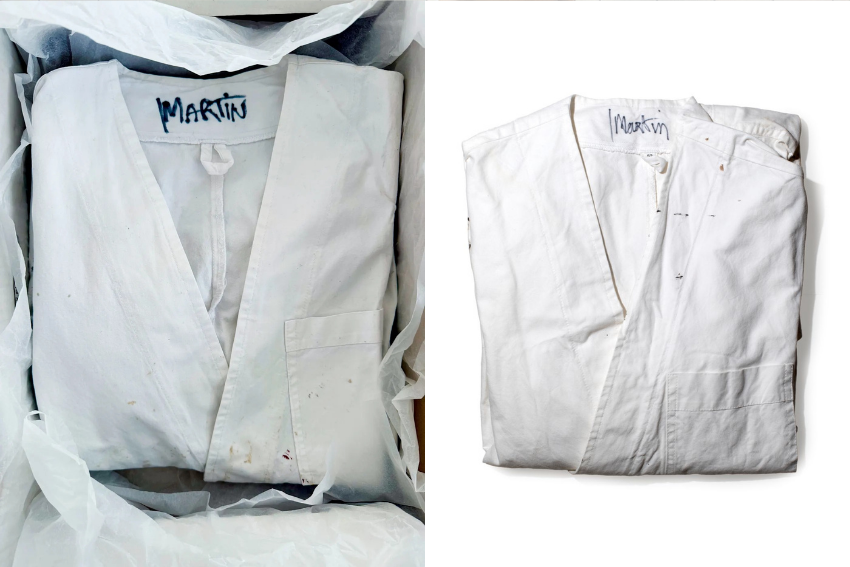
Margiela described this white cotton work blouse as the garment all studio members wore in the early years, inspired by haute couture workshop blouses. He said models and workshop staff alike used the piece during fittings and production, and the lot on offer is one he personally wore during work.
Focus lot 2: “The Veil” (studio research, 1988 to 2008)
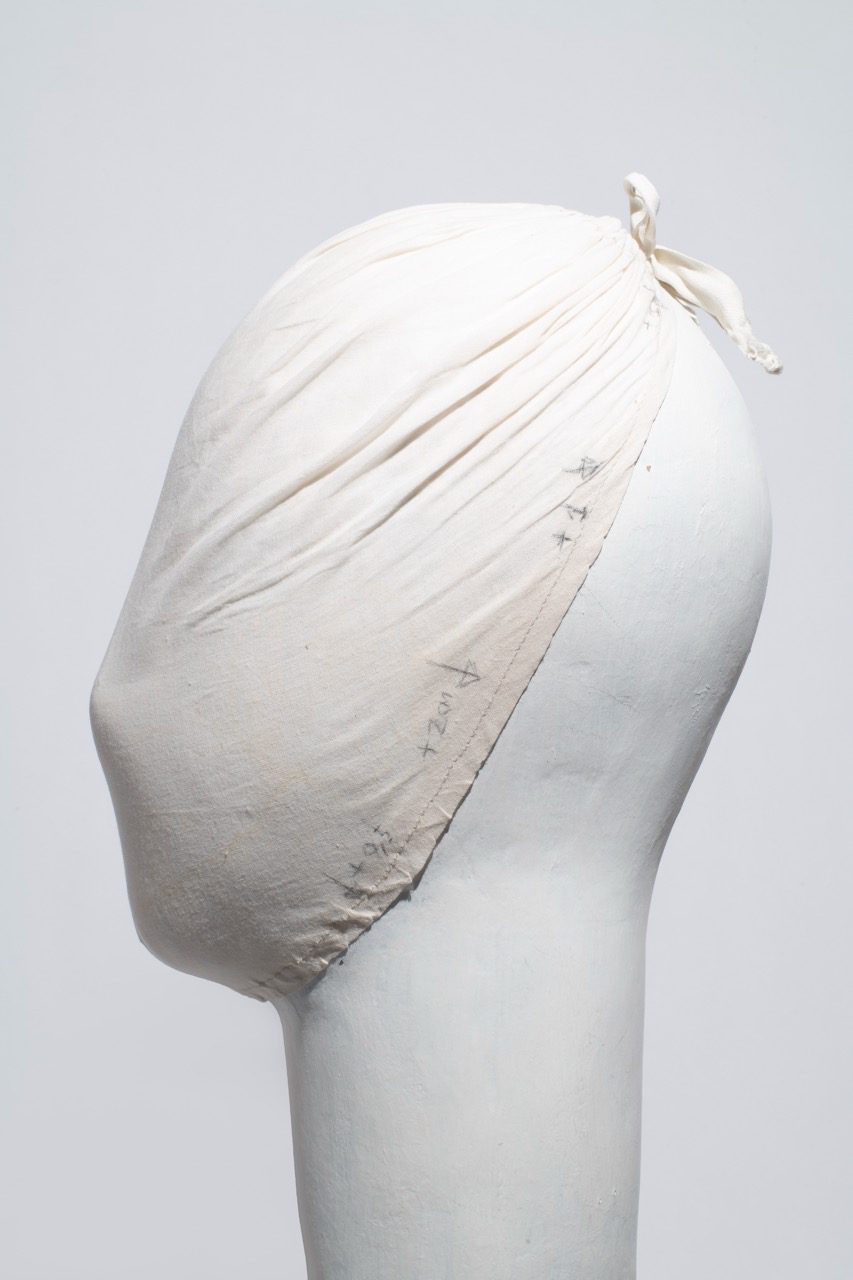
Margiela said he wanted to create face coverings that would fully obscure models’ faces so attention would fall entirely on the clothes, giving the garments an almost abstract visual presence. The lot includes research drafts that still show pencil revision marks.
Focus lot 3: “Telephone” (personal object, 1988)
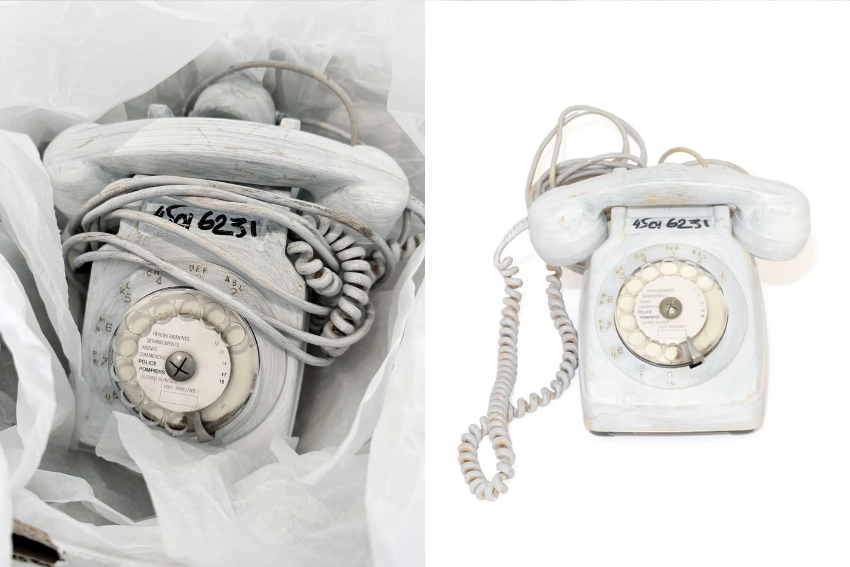
Margiela recollected that he painted his studio and objects white in the late 1980s, including a personal telephone that he wrote his phone number on because he could not remember it otherwise. The phone is part of the archive on offer.
Focus lot 4: Graffiti Tabi boots (1991)
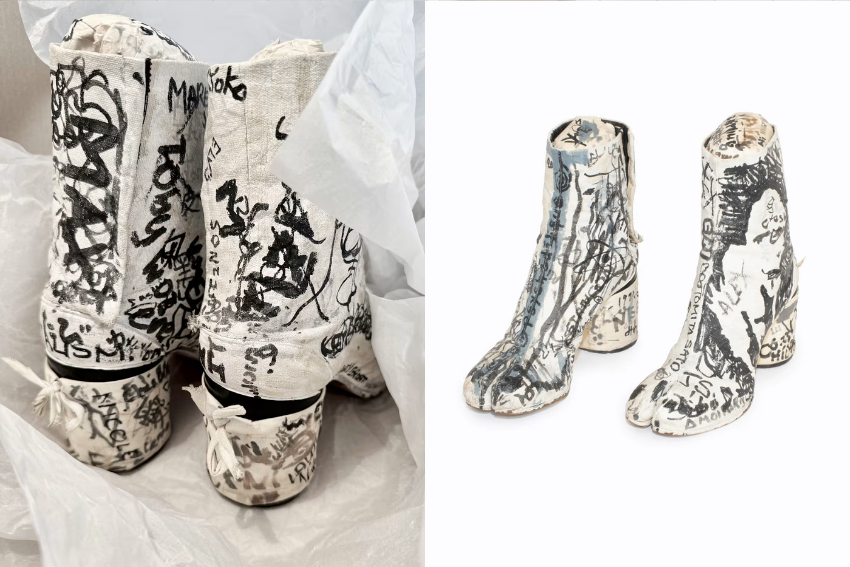
Margiela said he sought a shoe that broke conventions and offered a barefoot sensation, inspired by the Japanese street workers’ soft tabi. In one exhibition he invited visitors to write freely on the white walls and floors, and the result was that the Tabi boots became covered by spontaneous graffiti. He said he favored the organic life traces that arose without deliberate control.
Focus lot 5: the “Double Tour” Cape Cod strap
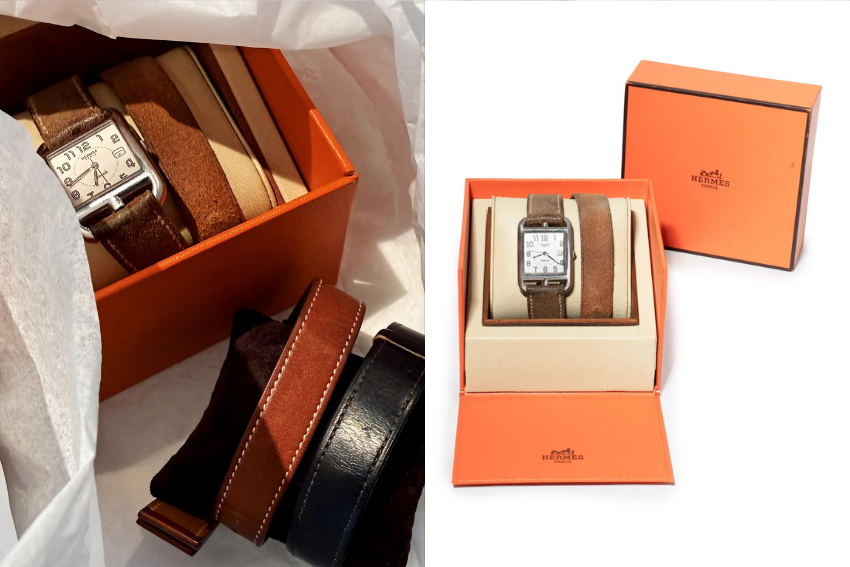
While creative director at Hermès from 1997 to 2003, Margiela did not redesign the watch itself so much as the way it was worn. He lengthened the Cape Cod strap to wrap twice around the wrist, using Hermès leather, creating a new wearing mode that became a perennial bestseller.
Practical information for visitors and bidders
The exhibition runs July 4 through July 8, 2026, daily from 11 a.m. to 6 p.m. CEST, with the auction scheduled for July 9 at 2 p.m. CEST. Interested collectors and institutions can consult Maurice Auction and Kerry Taylor Auctions for catalog and bidding details, the organizers said.
Past sales and museum interest suggest strong international appetite for Margiela material. The Martin Margiela auction and exhibition follow major market interest in the designer’s work and are likely to be closely watched by collectors, curators and fashion historians.
Source: Maison Margiela Instagram, Kerry Taylor Auctions Instagram, Maurice Auction Instagram.