


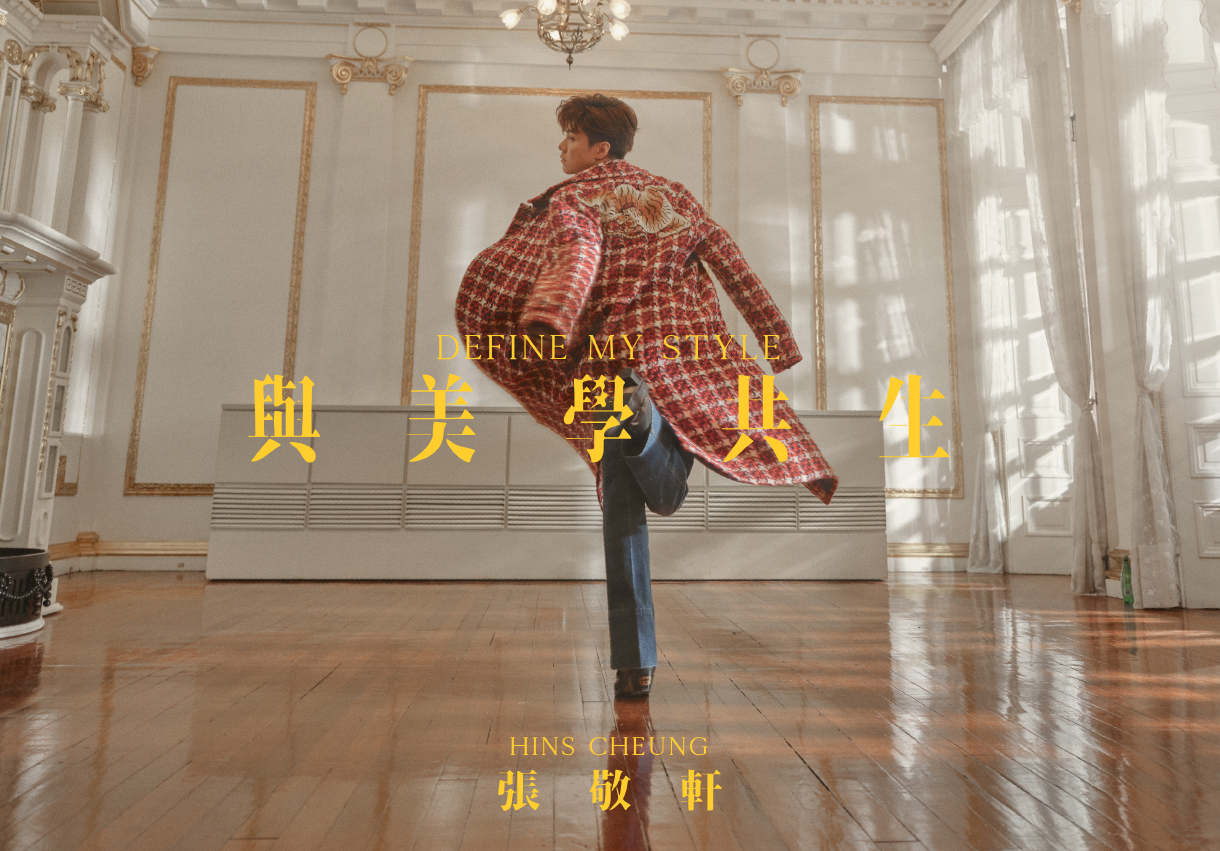
Hins Cheung aesthetics have shaped his career and private life for more than 20 years, establishing him not only as a leading name in Cantonese pop but also as a restaurateur, design consultant, antique collector, and cultural custodian.
He has extended his musical sensibility into everyday living: opening a French restaurant, investing in a classic bridal house, renting and restoring historic residences, and taking over one of Hong Kong’s storied recording studios. All of those projects serve the same impulse, he says, to bring a classical aesthetic into daily life.
We met him at the Sun Yat Sen Memorial Hall, a declared historic building in Hong Kong (Kam Tong Residence), to talk about how aesthetics inform his choices and how art frees what he calls an honest aesthetic freedom.
June issue, the emperor arrives.
“I think aesthetics has nothing to do with beauty”
Before we began the interview on “aesthetics,” we asked him a simple question: “What is aesthetics to you?”
Hins Cheung paused, then said, “Aesthetics is finding an angle, a way of looking at things that belongs to you.”
Many people link aesthetics to art or anything visually pleasing, but for Hins Cheung aesthetics extends beyond that. “I think aesthetics itself has nothing to do with the word beauty, because the word is neutral,” he said. “It can contain many emotions. It can be violent, it can challenge human nature, it can even go against it. All of those things, I think, have their own aesthetics within them.”
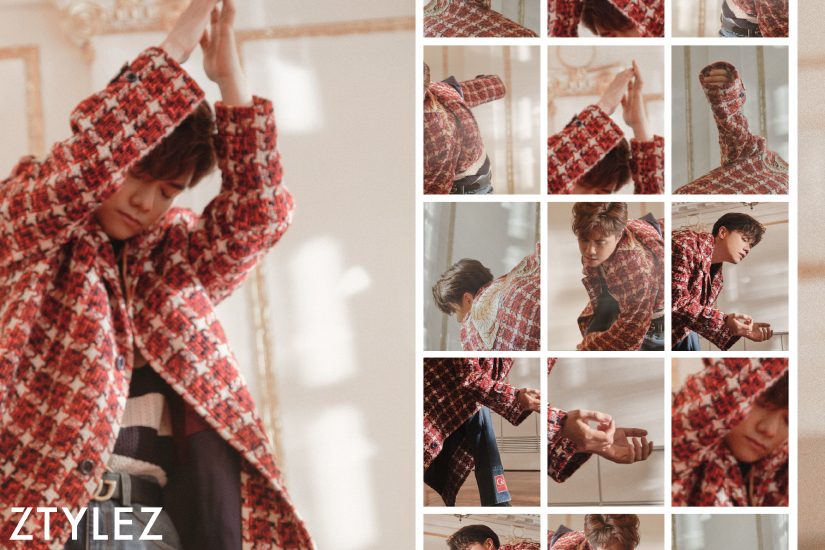
He described this as an aesthetics paradox, where the mode of existence of an object rises into a philosophical concept and blends with aesthetics to become a paradoxical beauty, a beauty made of contradiction. Boundaries dissolve, and perfection is not the aim. What matters is embracing a lighter, more vivid way of living.
“Everything I do starts from people”
Because his definition of aesthetics includes a strong life force, whether in music, daily habits, or business ventures, Hins Cheung privileges people and feeling. “When I do anything, whether it is a record, a concert, a restaurant, or even the recent bridal shop, my starting point is always from people,” he said.
He pointed to his restaurant JUNON as an example. “Profit wise, it is lower than a typical Hong Kong diner, but I felt the city needed a place like this. We want performance to create interaction, to nudge people who feel constrained into thinking again. Even private conversations between couples deserve that space to be considered.” He added that while he likes technology, it should not replace organic human communication.
Beyond music and performance, he has taken on projects that amount to cultural conservation. He has lived in Felix Villas, a grade three historic building in Mount Davis, and later moved into Old Alberose, a 1920s house owned by the University of Hong Kong. He acquired Avon, Hong Kong’s largest and most historic professional recording studio, revived a rotating 1960s style diner, and invested in Sennet Freres, a bridal house with 150 years of history.
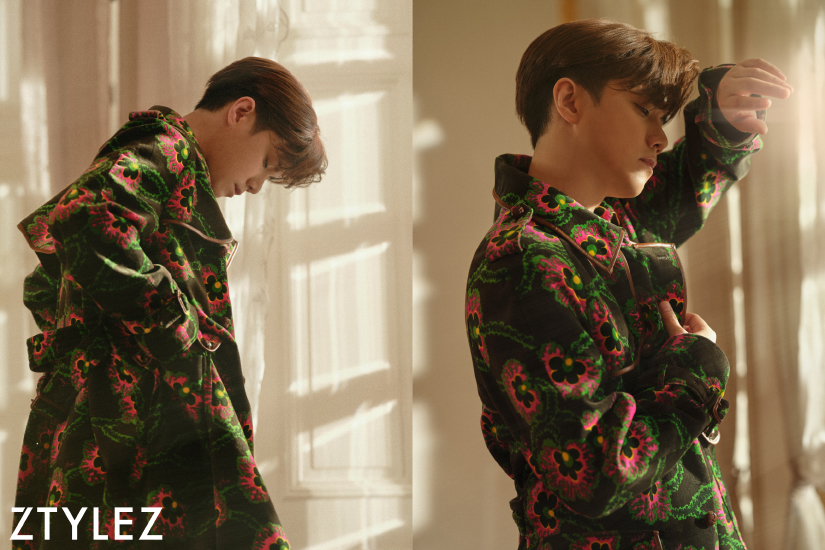
He moved into Old Alberose because he is fascinated by history and culture. “I often wish I had a time machine so I could see the family that lived here and how they lived in an era without modern infrastructure or instant communication,” he said.
For him, the most captivating thing about aesthetics is people, because where people exist, beauty follows.
“Hong Kong and its people breathe together”
Hins Cheung was born in nearby Guangzhou, but he has rooted his career in Hong Kong for two decades. Music was a major reason for that choice, but he said the decision came after a period of reflection and struggle.
When choosing a place to live, he favors cities with history and cultural texture rather than newly built towns shaped mainly for commerce. He values a city that carries background and memory, not just convenience.
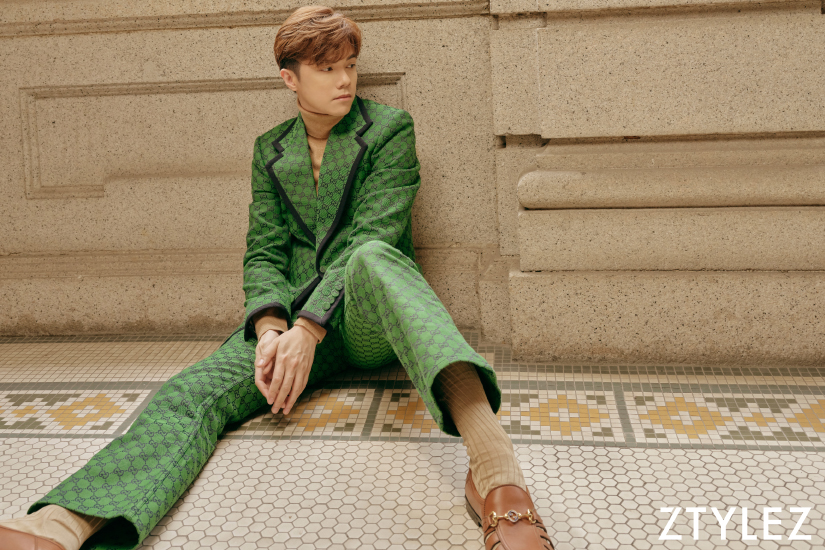
He describes himself as a typical Aquarius, drawn to contradiction. He sees Hong Kong as a person with a past and a set of competing impulses, open and conservative at the same time. “Hong Kong and its people are very closely linked, breathing together. When the mood is good you feel it everywhere, even at a corner store. When the mood is bad, you feel the city breathe differently,” he said.
That breathing, he said, is what keeps a city alive and gives texture to the process of seeking aesthetics. Art and technique can be refined, but lived experience is what teaches someone to find beauty in daily life. That, he added, is the essence of Hong Kong aesthetics that he knows.
“Aesthetic taste changes as you change, and then it becomes warm”
For Hins Cheung, exploring beauty should not be only about technical accuracy or artistic skill. He says the process and the practical use of aesthetics are what matter most. “My collecting and my aesthetic are directly related because I need to absorb things about aesthetics,” he said.
His musical achievements and his home decor both reflect a rigorous standard. He described the learning curve, saying he enjoyed being at home when he first arrived in Hong Kong and gradually learned about Scandinavian, Victorian, and Art Deco styles. “When you look more closely, even a wooden door or the plaster molding on a ceiling feels different, and that tactile difference matters,” he said.
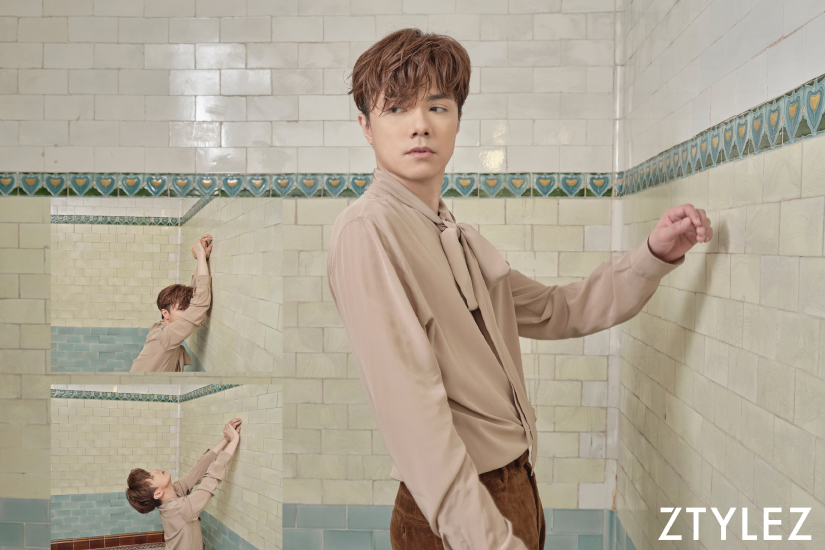
Those small daily experiences formed an evolving sense of taste that, he says, made him pay more attention to himself and to how he presents his life. “When you start to change from aesthetics, it gradually becomes a warm kind of taste,” he said.
“I am symbiotic with aesthetics”
He is drawn to the old and the lived in, whether a song music video, the furnishings at Old Alberose, or the city itself. He now values period feeling more than he once did. “As a modern person, the fun is embracing the present. Even a short era can be richly evocative,” he said.
Is he nostalgic or sentimental? “I am not sure. I think I am nostalgic.” He uses advanced technology in his personal devices but lives in spaces that evoke the 1940s, with incandescent bulbs and no television. That tension between new and old gives him another dimension and more options in his aesthetic thinking.
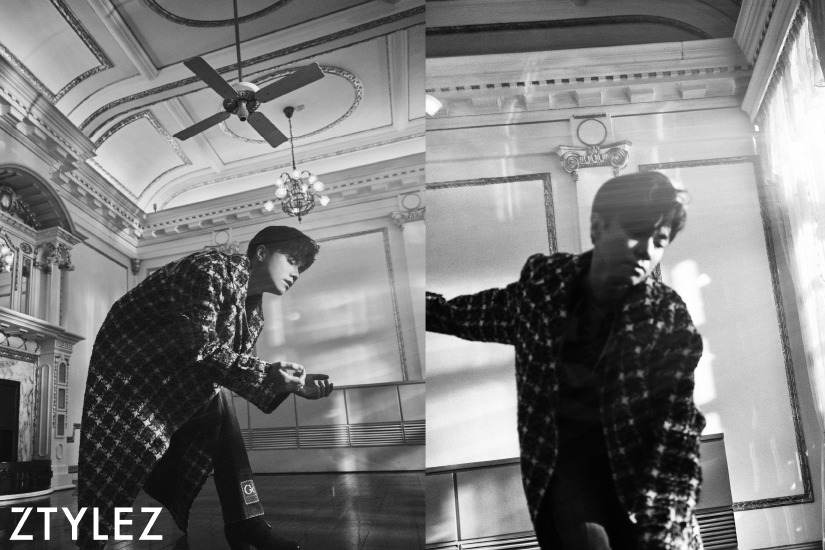
He admits that refining taste can be painful. He warned that collectors must expect failures, including buying pieces later revealed to be fakes. Still, he says curiosity about both the new and the old is the key to staying engaged with life.
“Be strict with your own taste and do not expect others to see things the way you do”
Hins Cheung is known for many moods on camera, from classical elegance to playful mischief. He described some of his early comic bits as ways to amuse himself when friends were few. “I am simple. If I see someone happy, that is enough. I did not set out to create controversy,” he said.
He said he never worried that self deprecating humor might conflict with his aesthetic. “Beauty or not, it has nothing to do with other people s eyes,” he said. He knows people with unusual habits or tastes who live happily. “If you do not use others as your standard, you will be happier,” he added.
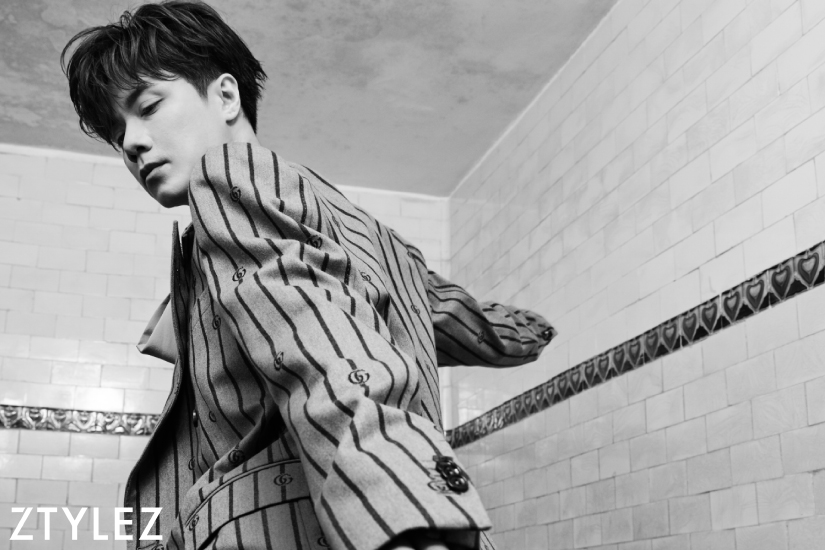
Life in the spotlight did not make him feel predestined for entertainment. “Part of my joy comes from other people s joy, which is why I chose this field,” he said. He doubts he is a natural for being on stage, saying he has low EQ and is not a natural heart throb, yet he feels a mission to bring comfort and entertainment to others.
That sense of mission drives him to keep working and to try to move people, so that when he meets God someday he can present a meaningful record of a life spent trying to give others joy.
“Aesthetics is a kind of dignity to me”
Building a personal life aesthetic does not mean deciding every detail of everyday life. Instead, it means treating people, events, and challenges with a certain aesthetic attitude. He quoted a lyric from a song to explain that when public figures age gracefully there is an aesthetic in that process.
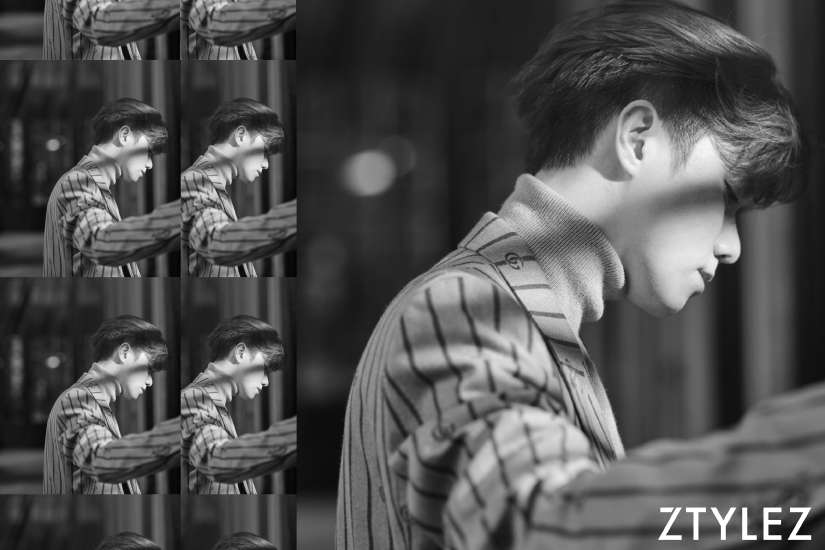
He joked about retiring in his 40s like some Japanese stars and walking away with grace, but for now he remains fully engaged in his creative work. He said, “Aesthetics for me is dignity. Even if I reach the end, I want to die looking good.”
Through the conversation it becomes clear that Hins Cheung s aesthetic instincts created a lifetime practice of observation and action. By separating art from fixed aesthetic rules, art can expand without causing aesthetic fatigue, and beauty can come closer to daily life. His advice is simple: start from people and from yourself.
Aesthetics, he said, should be the attitude with which we choose to see things.
–
Producer: Vicky Wai
Photography: Rex Tsui
Videography: Andy Lee, Napoleon Lee & Yanice Lee
Styling: Vicky Wai
Make up: Cyrus Lee
Hair: Ritz Lam
Video Editor: Andy Lee
Editor: Carson Lin
Designer: Tanna Cheng
Wardrobe: Gucci