


Hong Kong bamboo art is woven into daily life here, from dim sum steamers and stage scaffolding to cooling mats and the cane many people remember from childhood. Walking through the city it is hard not to notice a corner with a bamboo shelter, a Cantonese opera stage, or a tea house table piled with bamboo steamers.
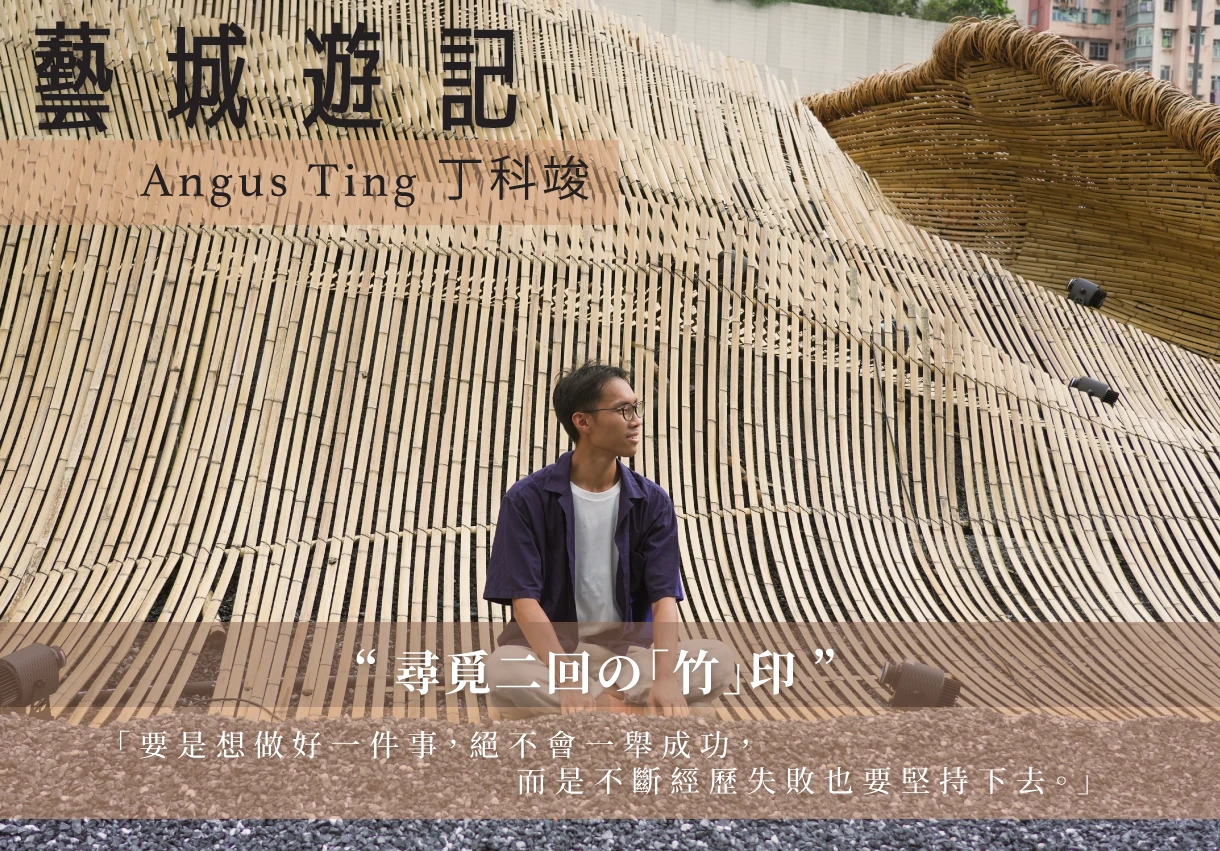
Recently, a sweep of bamboo near Kwun Tong stopped me in my tracks. After the demolition of Yue Man Square there had been little news about redevelopment, but the site now hosts a sea of bamboo that draws people to pause and look.
On a placard I learned the piece is called Waves. Shore (浪.岸) and it was designed by a local bamboo studio called Second Time (二回). This feature invited me to speak with the studio founder, Angus Ting (丁科竣), to learn how he translated the season into a wave of bamboo.
Hong Kong bamboo art, a different way to feel bamboo
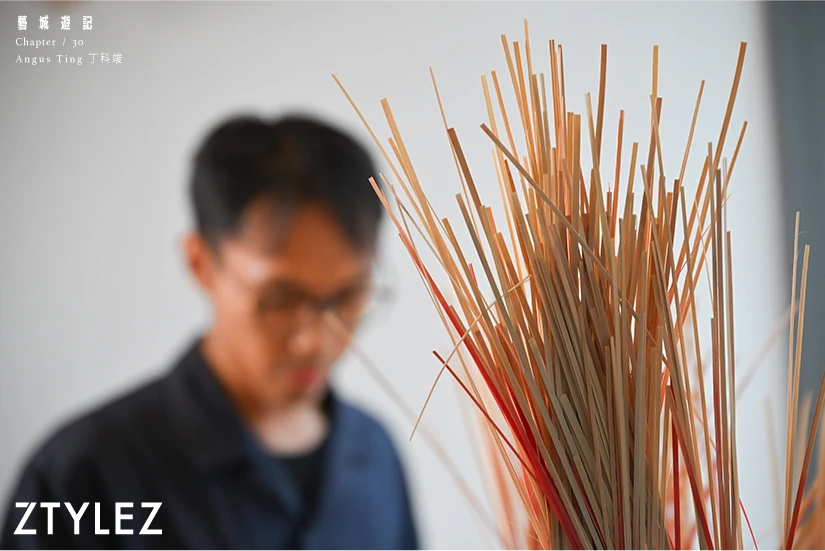
Angus Ting founded his studio six years ago and has focused on fine bamboo craft. The Japanese term for that tradition is take saiku, an art of weaving and assembling bamboo into everything from household items to large-scale works.
Ting was working in interior and film set design when, in 2018, he took a commission to make bamboo furniture. “I hired a mainland factory at first and the quality varied so much I did not understand why,” he said. “I decided to try making it myself.” What began as curiosity grew into a lifetime pursuit.
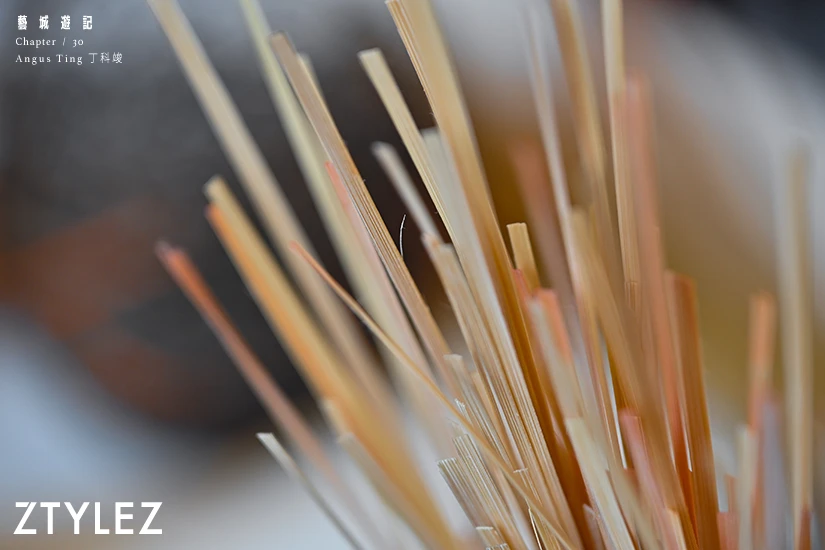
The first item he made was not a piece of furniture but a bamboo bag, which took months. He read about techniques, bought tools, learned weaving, and traveled to Kyoto to meet bamboo artists. What had started as a hobby became a professional focus.
Feeling bamboo: material, limits, and uses
“When you create you have to remember that bamboo is a natural material and it changes. You must know its limits and match the material to the environment,” Ting said. He emphasized that different stages of bamboo have different uses.
Hong Kong has a long marine and agricultural history where bamboo was central, from baskets and brooms to chairs. A local reference work notes 61 species of bamboo in Hong Kong, which helps explain how common and useful the plant has been in a compact city.
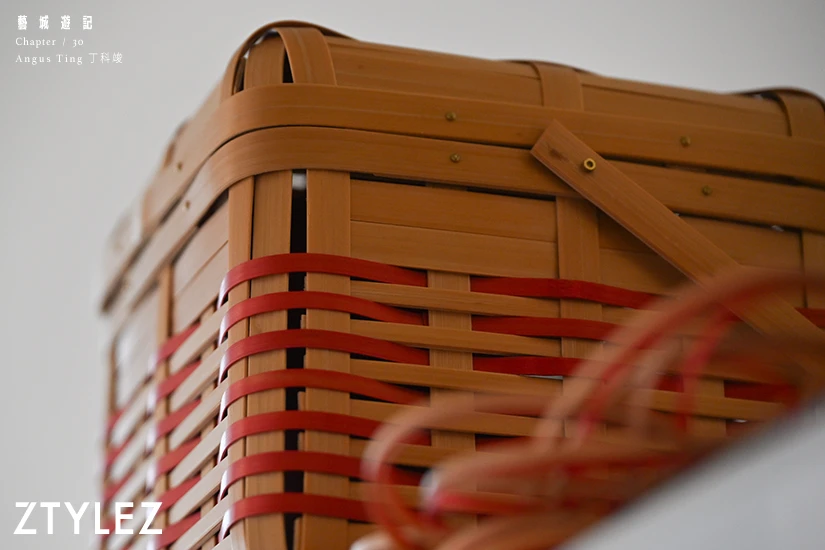
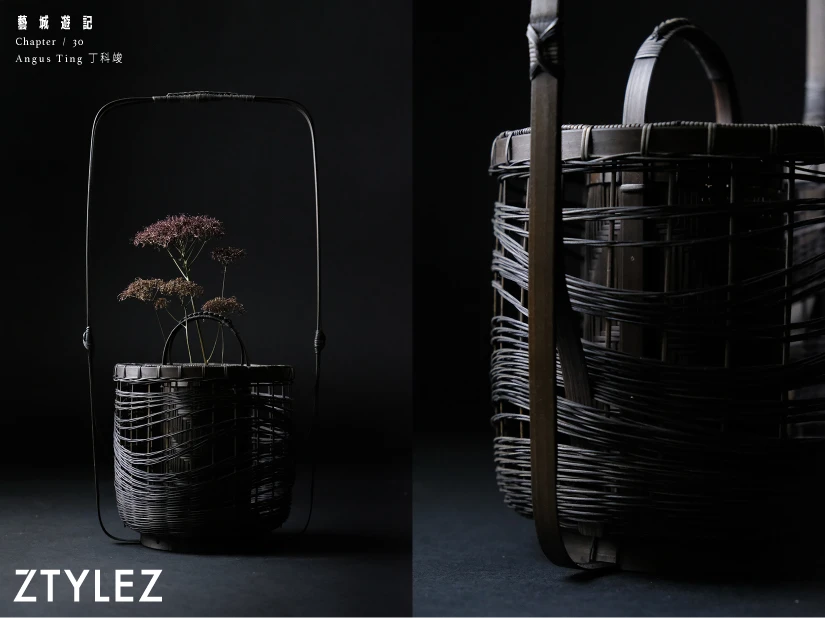
Over time, much of that functional use has been overlooked. Bamboo is a traditional subject of poetry and painting and a symbol of refinement. Ting’s pieces, from flower baskets to coffee filters, reveal a restrained Japanese-influenced aesthetic that challenges the rough image of bamboo used in construction.
“Nobody taught us about bamboo in school or at home,” he said, reflecting on why the craft is underappreciated.
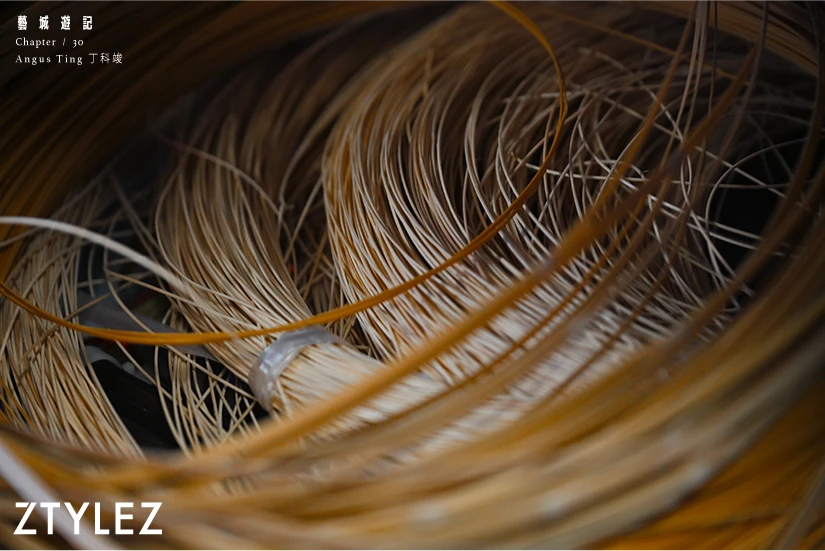
Ting spent months studying bamboo properties. He said the craft requires patience, and practicing it reshaped his temperament. He moved to a village home on Peng Chau, overlooking sea and hills, to slow down and focus on making.
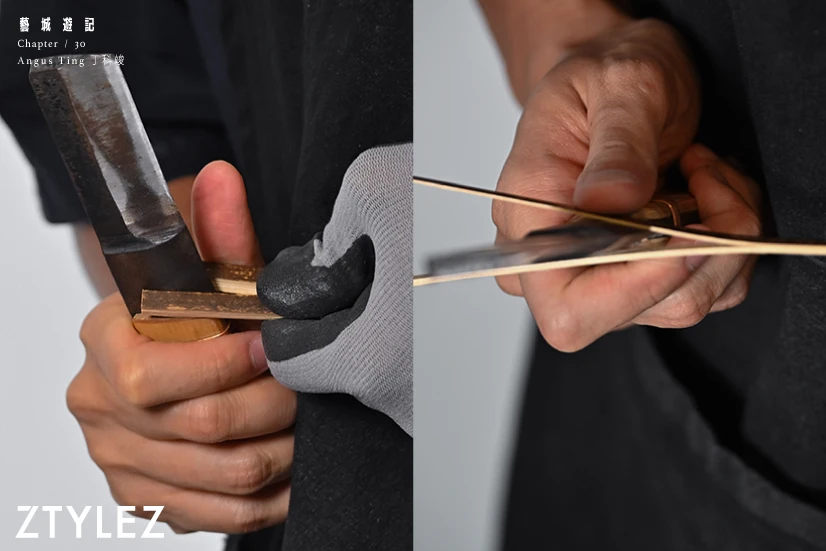
Learning the craft takes many repeats and failures
Turning raw bamboo into an object requires many steps: scraping, splitting, thinning, sizing, and finishing. Weaving techniques vary from structural inner layers to decorative outer layers, and different patterns traditionally carry different wishes or meanings.
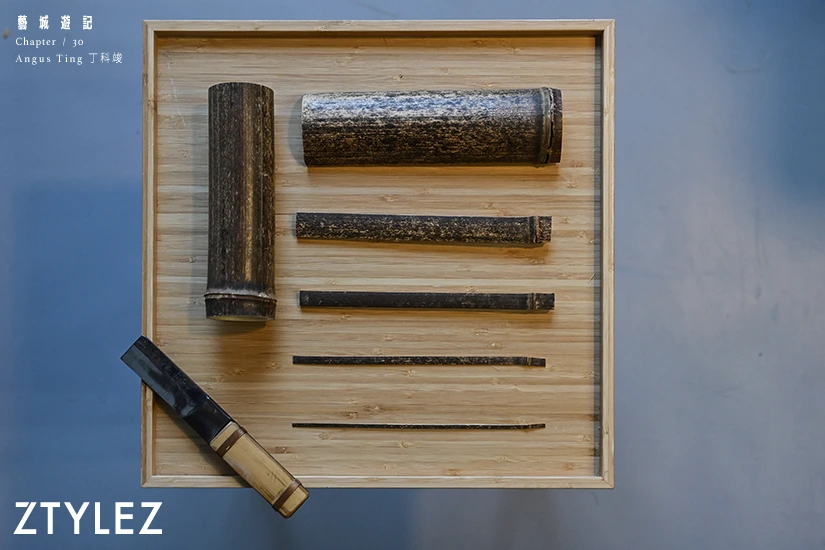
Ting said many works require repeated attempts. One delicate flower basket took three months and countless failures. “The hardest part is not the technique, but clarifying what the work should say and then organizing that idea into a piece,” he said.
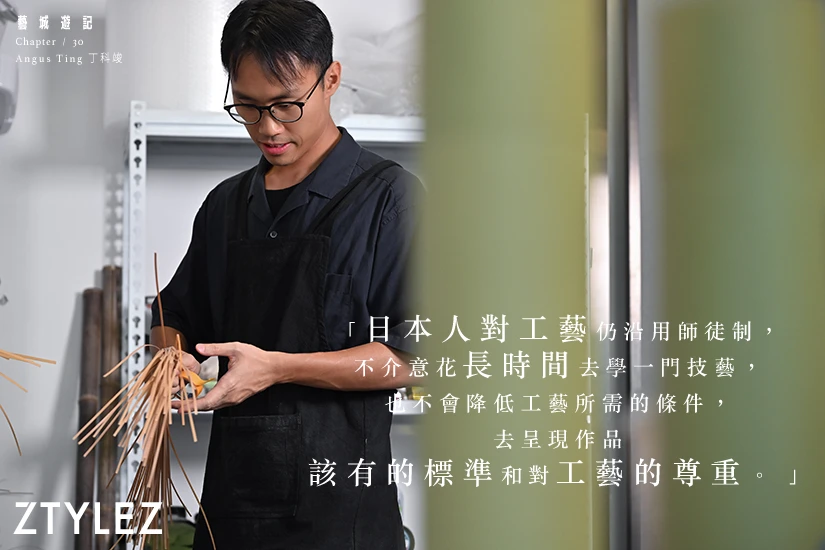
Ting credits Japanese masters for his discipline. He said their workshop approach, apprenticeship, and respect for traditional conditions taught him that mastery takes time and rules should not be sacrificed for speed.
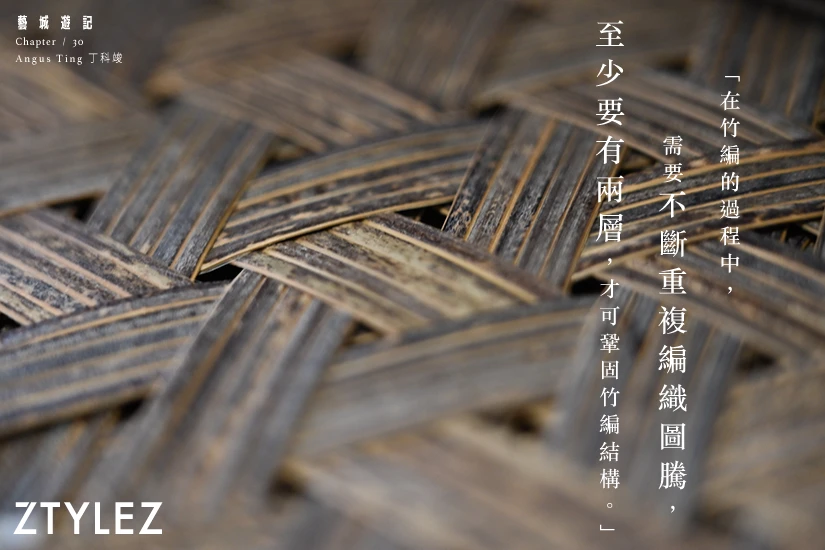
He named the studio Second Time (二回) to reflect how bamboo weaving often stacks at least two layers of motifs, and how repetition strengthens structure. “If you want to do something well you will not succeed at once. You must fail and persist, and that is what Second Time (二回) reminds me,” he said.
Like bamboo that spends years building roots before fast growth, Ting has buried his worldview in the craft. He said his hands give bamboo a new life.
Public installation in Kwun Tong draws different audiences
In recent years Ting moved toward making art pieces. His studio in Wong Chuk Hang is spare and full of bamboo: raw poles by the door, sorted supplies in a corner, and works in progress on the benches.
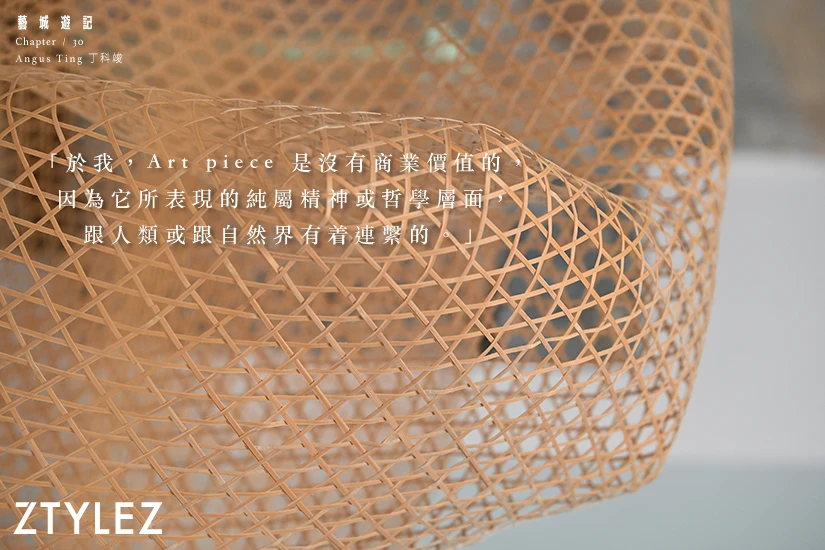
The project that left the deepest impression on him is the recent installation in Kwun Tong, Waves. Shore (浪.岸). It was created in collaboration with the Urban Renewal Authority, which offered public art as an interim use for the site while plans are pending.
Ting said the piece recalls the district’s shoreline before extensive land reclamation, when fishing and farming shaped daily life. He used large, repetitive bamboo elements to suggest waves, hoping the installation would prompt memory and reflection in the temporary space.
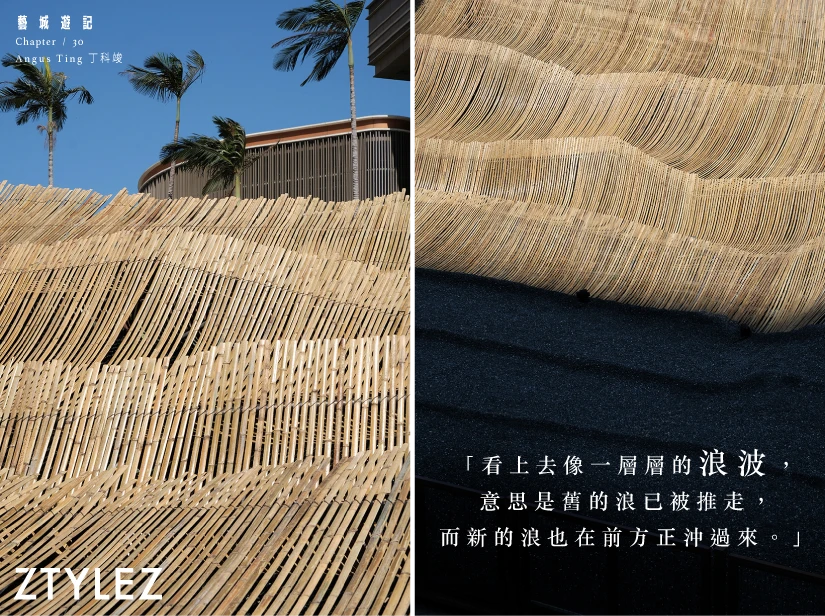
Because Hong Kong has limited public space, few artists get the chance to build this kind of outdoor work. The biggest challenges were weather and the site. Still, Ting said public art lets him share the creative experience with the people who pass by each day.
He expected older residents might resist the installation, but many told him they welcomed it and felt nostalgia. “For them bamboo was a common everyday material, so the work felt familiar. Younger people are often unfamiliar with bamboo. Different ages read the space differently,” he said.
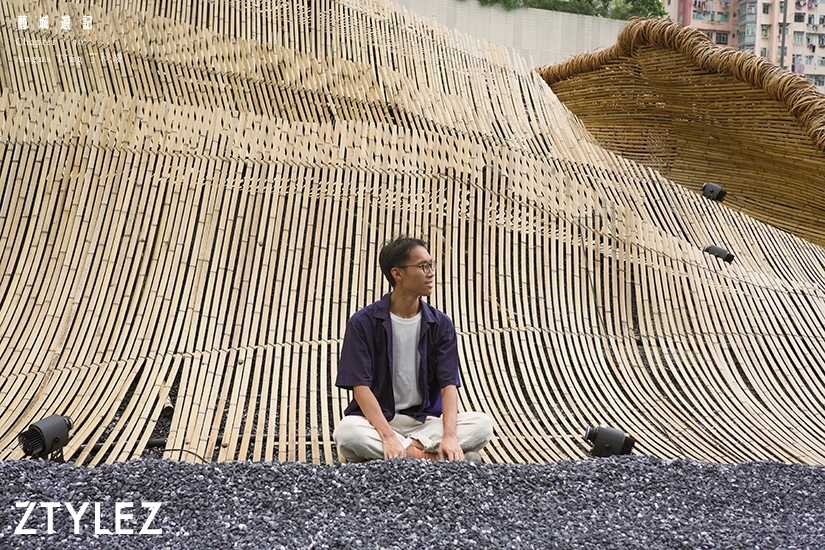
Ting said he hopes the installation will provoke questions about redevelopment. “People often think redevelopment is loss or destruction. But redevelopment means adapting the built environment to present needs. The real question is whether redevelopment is done well, and how a community can bring together different people and needs. I hope the work helps people reflect,” he said.
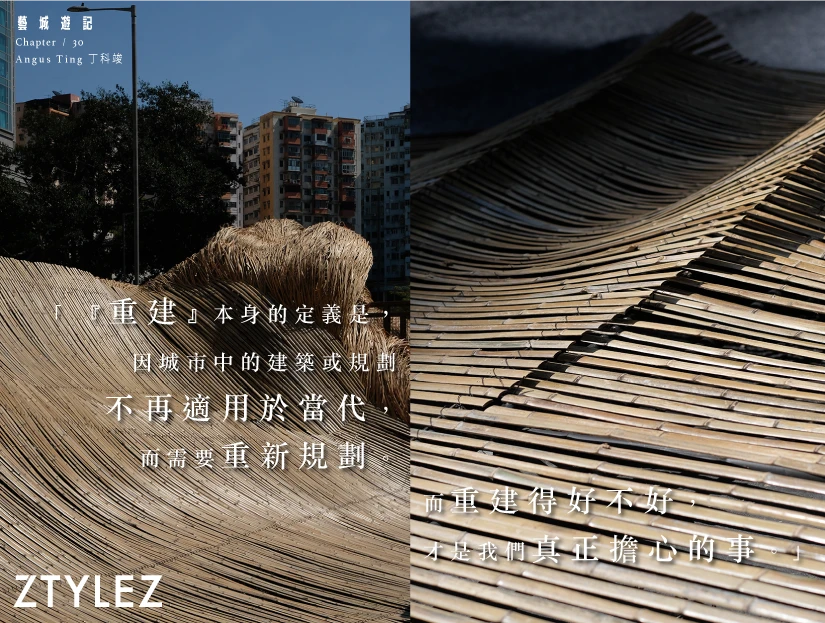
For Ting, the work is part of a patient practice. “Bamboo craft grows slowly and I can grow with it. Everything follows nature and progresses step by step,” he said.
Credits
Executive Producer: Angus Mok
Producer: Mimi Kong
Interview and Editor: Louyi Wong
Videography: Zenus Ng, Kason Tam
Video Editor: Zenus Ng
Photography: Ken Yeung