


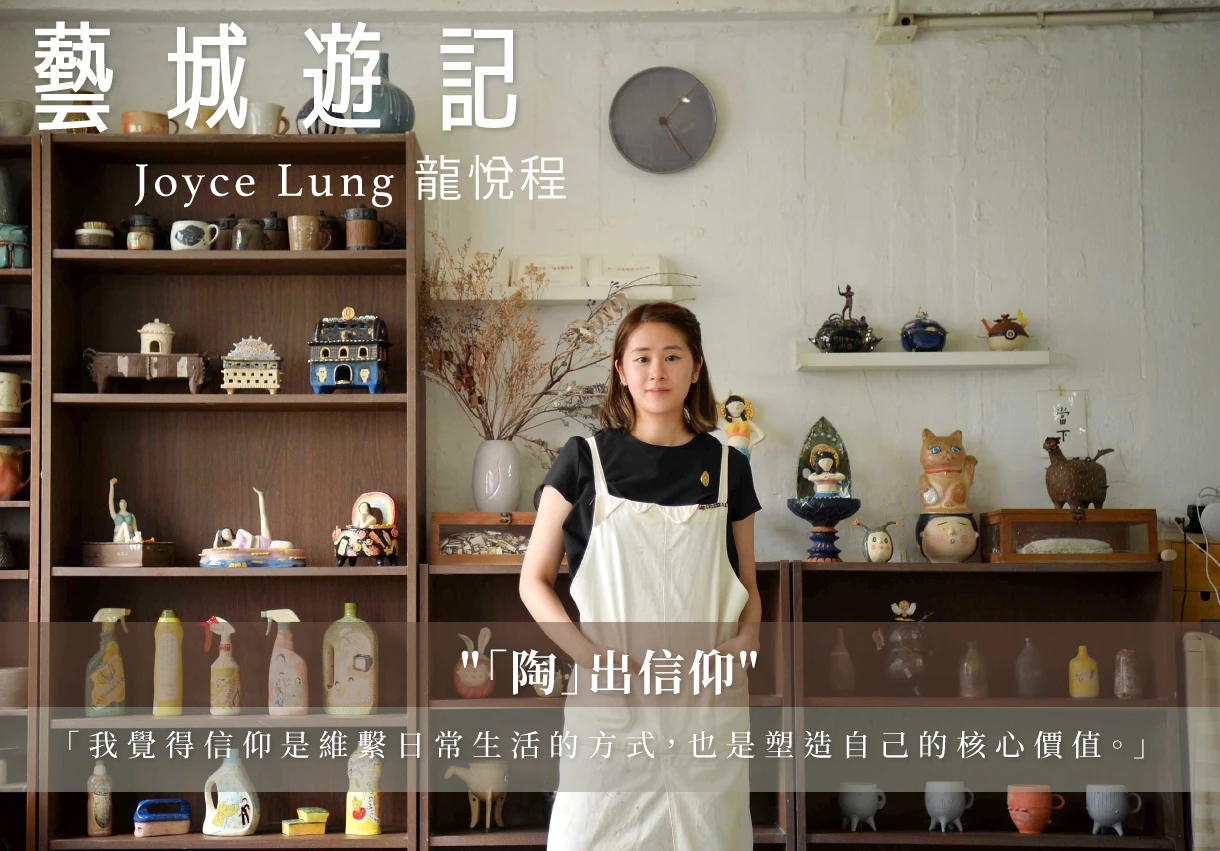
Hong Kong ceramic art raises a simple question: do you have faith? What is faith? Those questions came to mind when encountering ceramic artist Joyce Lung and her work “Where is God”.
Faith can feel both essential and elusive. It carries a sense of the sacred that is difficult to define, solemn yet untouchable.
Faith in Hong Kong appears in everyday places: small shrines by the door, neighborhood temples to land gods, altars to Guanyin, Tin Hau, Guan Yu, and Wong Tai Sin, or the informal cluster of nearly 8,000 religious figurines on a slope at Wah Fu Estate, a public housing complex on Hong Kong Island. These presences mean a ritual object or a small temple is often nearby.
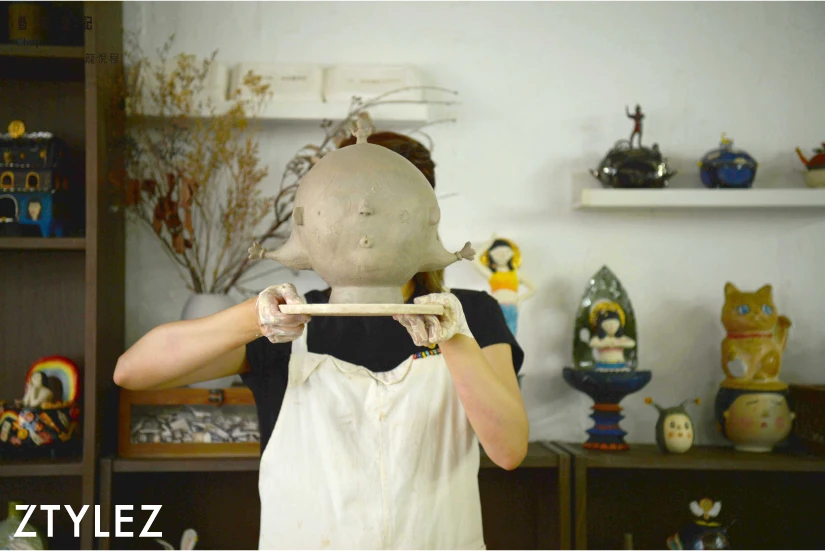
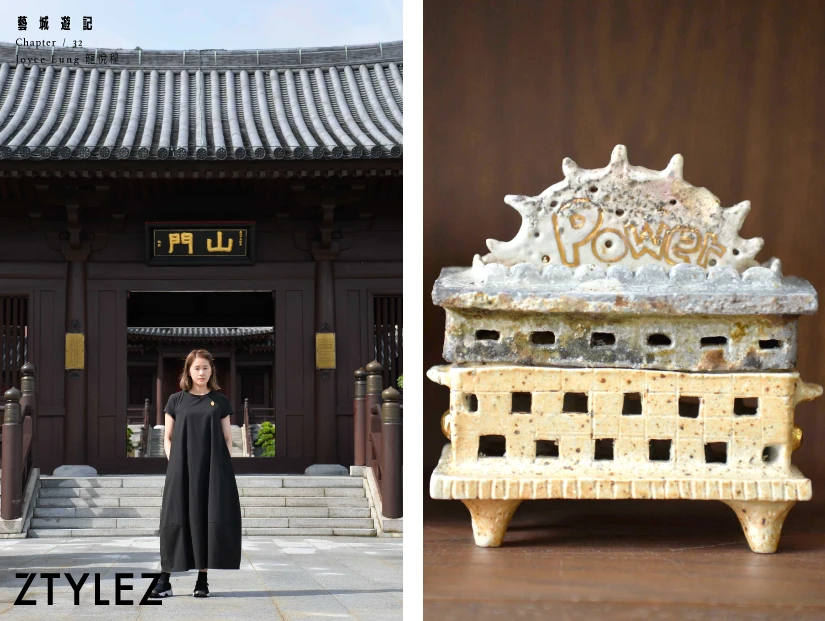
Older generations say, “Enter a home, greet the people; enter a temple, bow to the gods.” Sometimes you smell incense long before you see a temple. Joyce merges that scent and ritual with clay, turning ceramics into tiny temple forms that are not intended for worship in the usual sense.
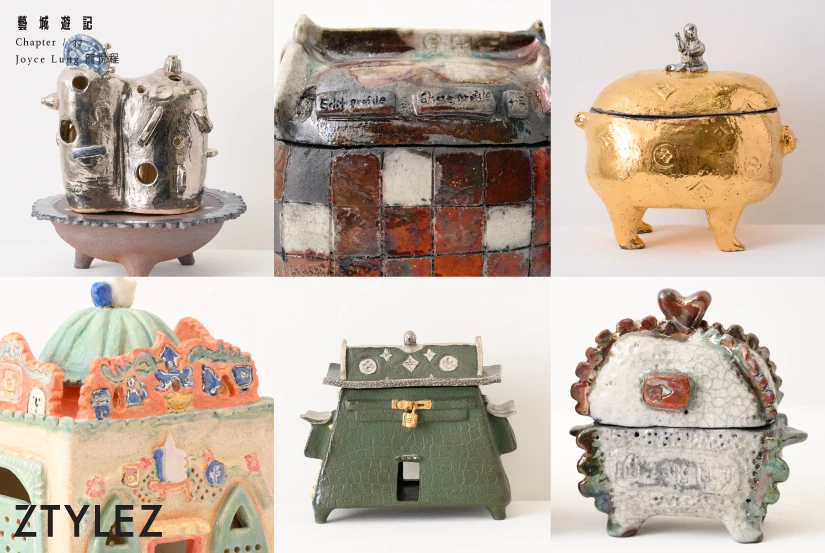
In these pieces there is no offering box, no resident priest, and no idol. Joyce quietly shapes stories and a sense of soul into clay. Take a moment to breathe, clear the mind, and consider what Joyce is offering through her ceramics.
What do you believe in?
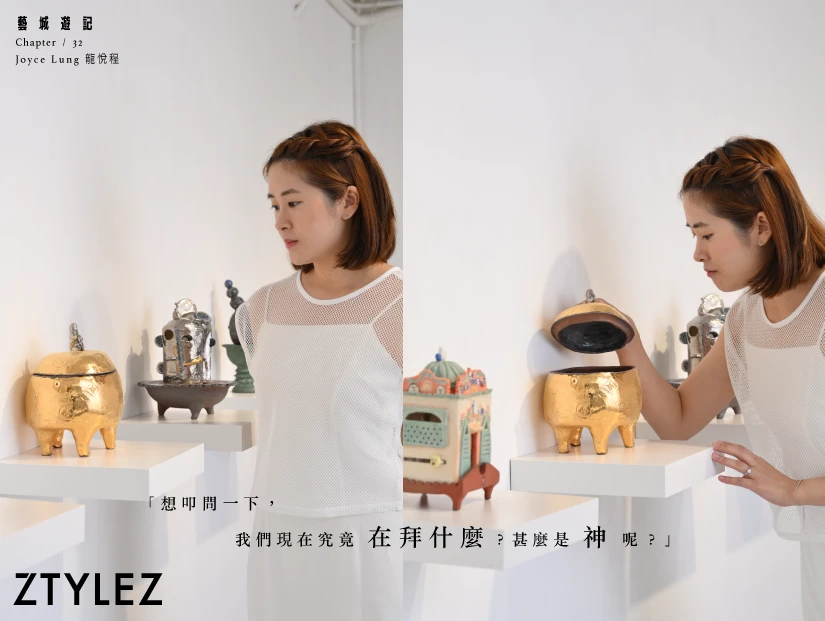
Before describing the incense-burner series, Joyce posed an observation and a question: “In Japan I saw many different temples protecting different things, from health to love to career. It made me wonder, are there really so many gods in the world?” Joyce Lung said.
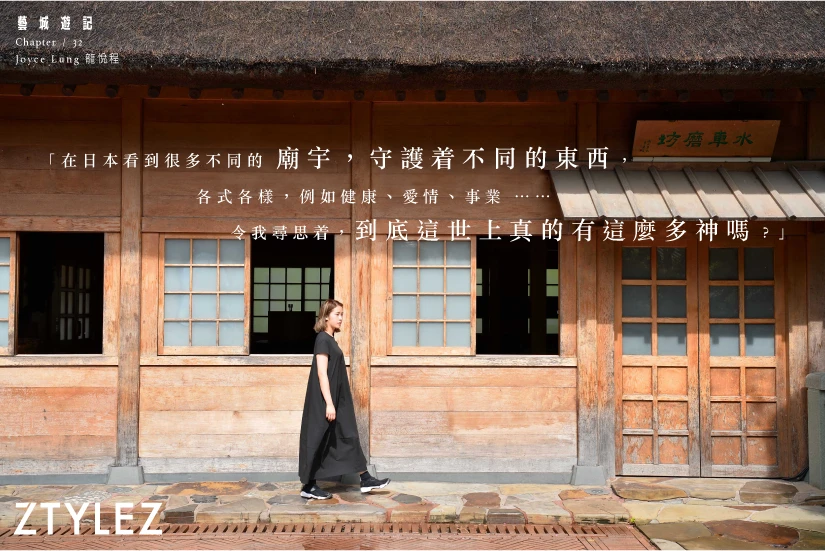
Where is the divine? Must one climb formal temple steps and enter a sacred precinct to meet a god?
Anthropologists often trace early human belief to two impulses: reverence for nature and veneration of ancestors, later extending into organized religions. Even nonreligious people often show respect in front of religious buildings, and travelers visit shrines for architecture, charms, or to make a wish.
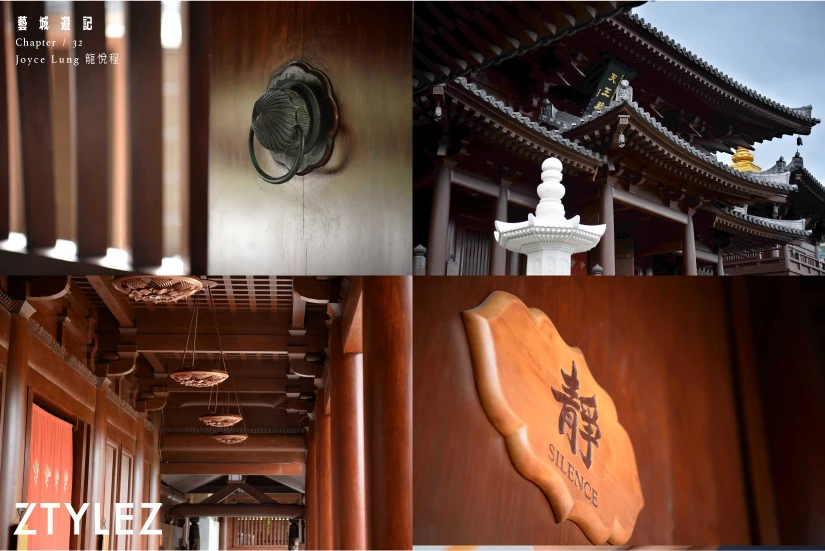
Joyce grew up Christian, but she has always been drawn to the visual culture of other faiths. Living in Japan last year, she became fascinated by how vibrant and varied local ritual life is. That curiosity led her to ask: what are people praying for now? Health and peace, or more worldly gains?
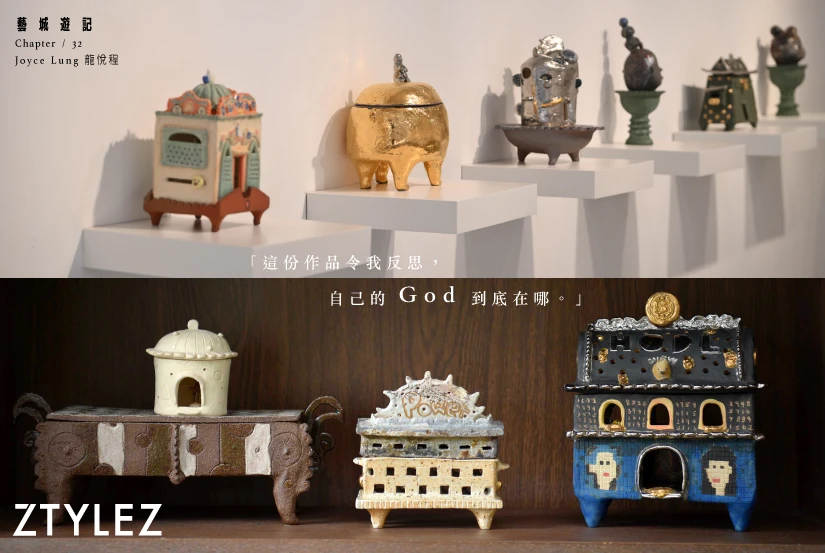
From that question she sketched a list of contemporary wants: power, luxury cars, designer bags, even Bitcoin. Her incense-burner series treats these desires as new objects of faith, asking whether to flee from this modern worship or to examine it more closely.
Related reading: interviews and exhibition coverage with Hong Kong artists and culture editors are available on the publisher’s site.
Exploring belief through Hong Kong ceramic art
“I also had moments of addiction, like when I used to post often on social media and wanted more likes,” Joyce said. That sentence will ring true for many.
We live in an era when social platforms turn approval into numbers. Followers and likes become crude metrics for identity and worth. Joyce depicts this in work that places idealized figures, wearing high-end brand patterns and holding designer bags, posing for a selfie. The image feels familiar.
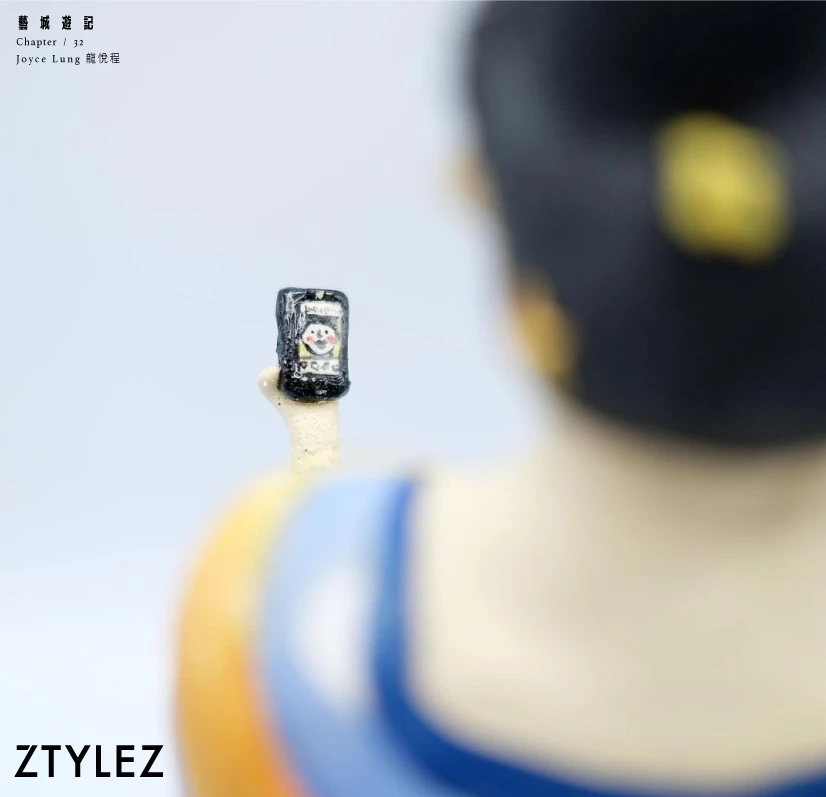
To gain recognition, many present the best version of themselves online. That pressure can warp ideas of beauty and success, and deepen self-consciousness. “Being consumed by social media makes you compare yourself to others; it becomes a toxic metric of self-worth,” Joyce said.
Joyce tries to manage these pressures through periodic digital detoxes. In clay, she tells stories about modern faiths, rendering the stern gods more approachable. “It made me reflect on where my God really is,” she said, “Is it something material, or something else?”
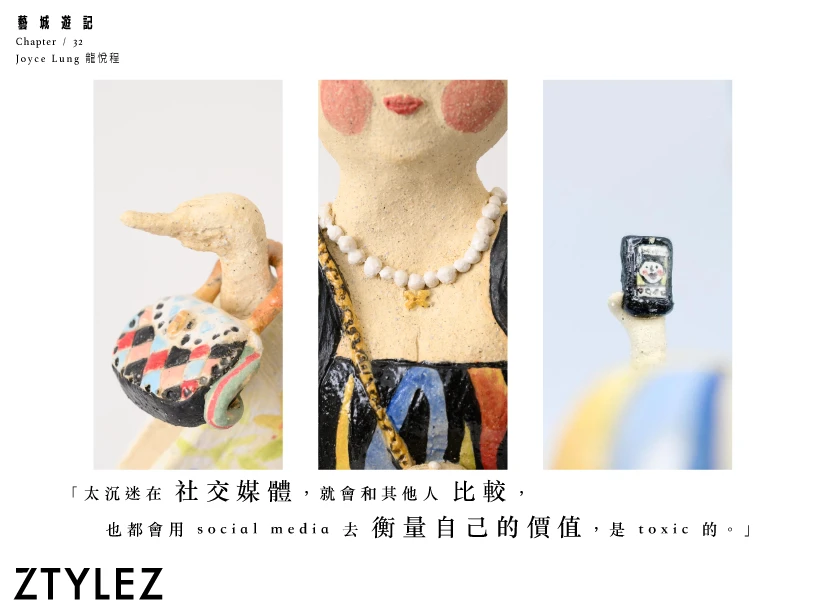
Joyce uses ceramics to ask whether modern devotion is directed at objects or at ideals. The works do not preach; they invite reflection.
Finding the meaning of belief
The temple-like ceramics recall the large incense burners you see outside Hong Kong temples during lunar festivals. People still compete to offer the first stick of incense on certain dates, a practice that speaks to collective ritual and social memory.
For Joyce, the tendrils of incense smoke suggest ways to “communicate with God.” That idea brings the discussion back to ceramic technique and form.
Ceramics fall broadly into two categories: functional objects, such as bowls and vases, and nonfunctional works intended for display. Joyce’s engagement with the medium began in university, where an elective ceramic class shifted her perception.
“I loved the texture and freedom of clay, but I got a C+ in my university ceramics class and wondered if I was suited to it,” Joyce recalled. An exchange program at an American art school pushed her to enroll in a hand-building course and opened her to different approaches, from abstraction to functional work. She said she gradually found her way by practicing patiently.
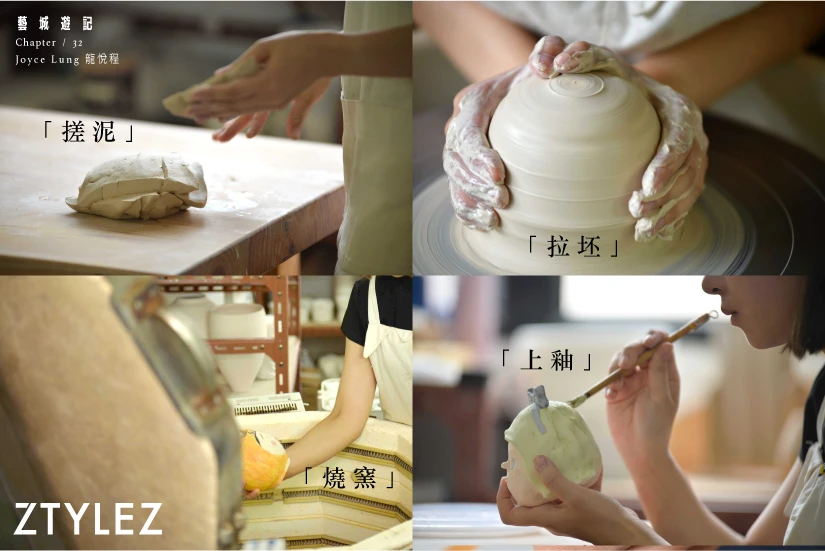
Soon she fell in love with throwing on the wheel. “Watching the wheel, trying to pull a larger, thinner form, was addictive. A session could pass in hours,” she said. Joyce has practiced ceramics for about ten years, and the focus clay requires provides a form of calm.
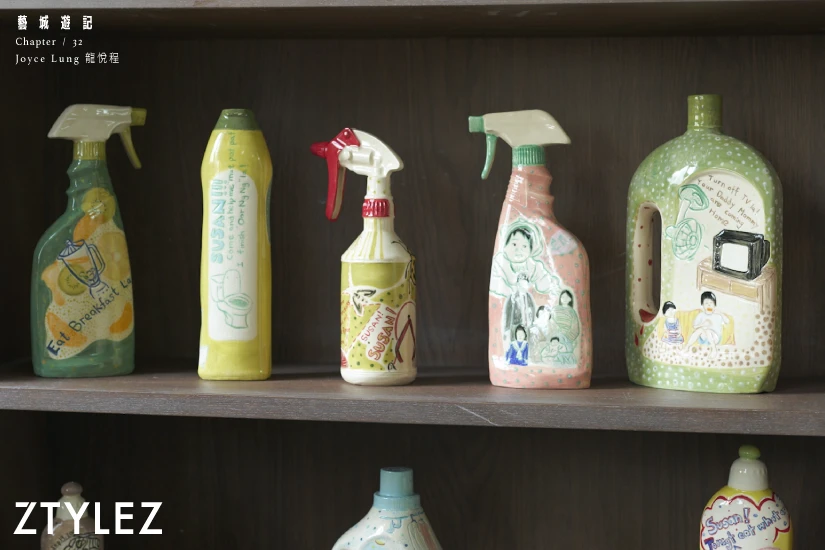
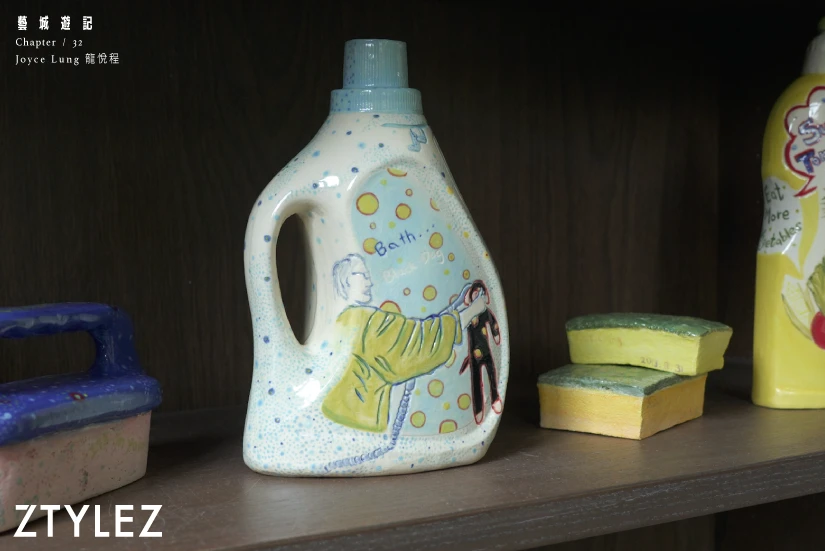
Over time Joyce shifted from functional wares to conceptual, nonfunctional pieces. Her graduation project, titled “Gong Yun/The Maid“, focused on a long-term domestic helper named Susan who had been part of Joyce’s family for 22 years. Joyce used molds to replicate household cleaning objects, embedding memory and emotion in clay as a tribute.
The work honors the deep, sometimes invisible bonds between employers and migrant domestic workers in Hong Kong, contrasting with attitudes that treat helpers as disposable labor.
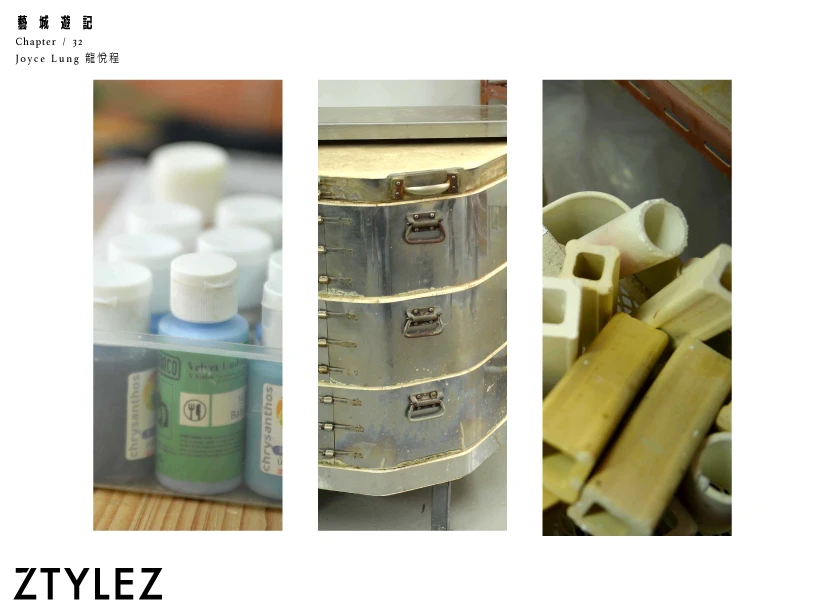
Joyce learned technique through patience: mastering clay bodies, moisture levels, and wheel work. She believes continuous practice and love for a craft are its greatest respect. She has also taught ceramics and says teachers can only provide fundamentals, while students must discover their own style.
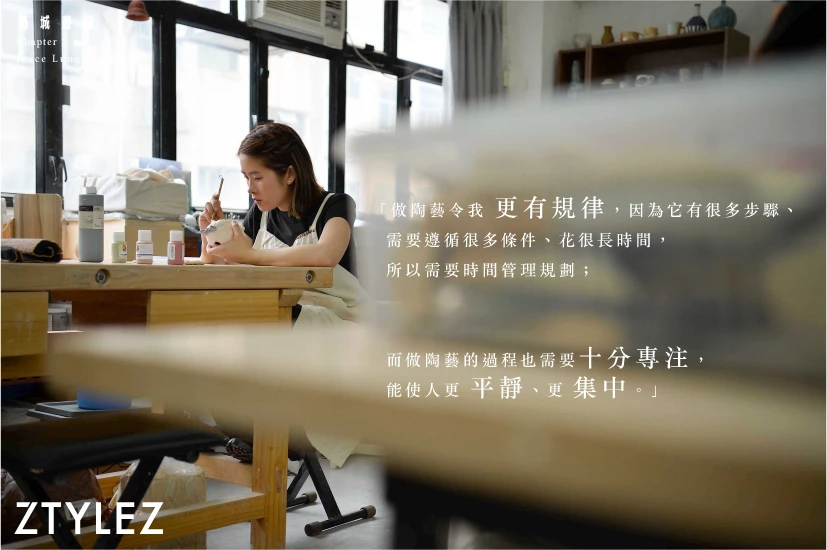
“Conceptual ideas matter more to me than pure functionality,” Joyce said. Conceptual work allows more expressive content and is not limited by utilitarian purpose.
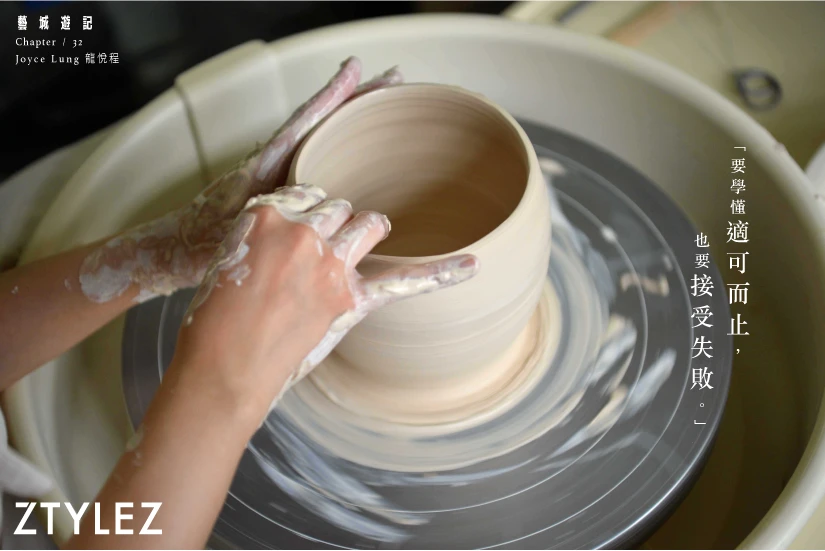
Her takeaway from making the incense-burner series is practical: find your own measure, your own key performance indicators, so you are not distracted by external trappings. “It reminds me to focus on my own beliefs,” she said.
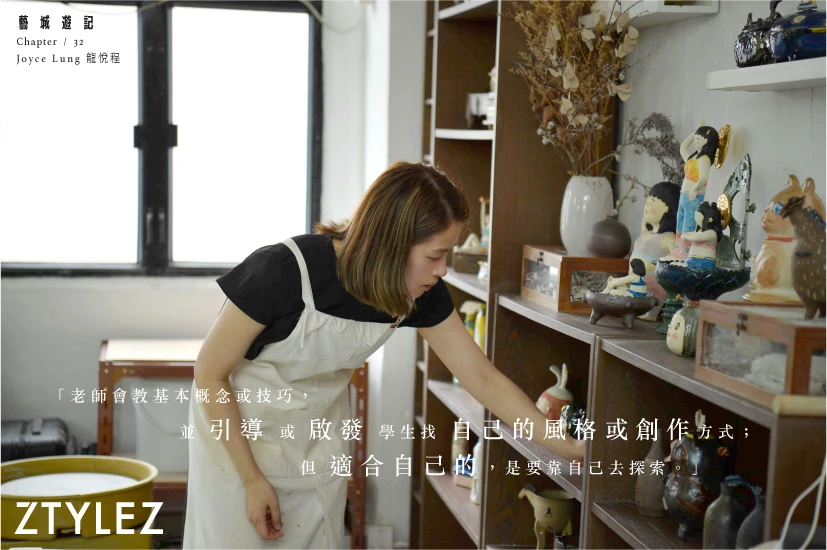
Shaping the future through Hong Kong ceramic art
Joyce describes ceramics as a form of art therapy: “Ceramics shape my personality and nourish my life; the medium is indispensable,” she said.
The incense burner has changed over millennia but continues to carry cultural value. As a new-generation Hong Kong ceramic artist, Joyce seeks to expand the language and possibilities of the medium.
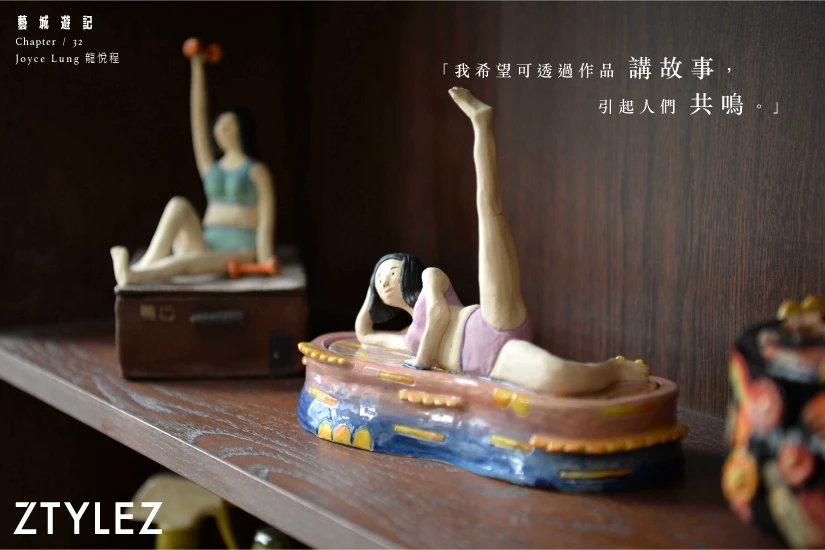
When asked to define faith and where the divine lives, Joyce answered: “Faith sustains daily life and shapes your core values.”
For her, faith is closer to conviction: a belief that lets you and others persevere. Through art she challenges convention and helps people rethink themselves. “If you are always present on social media, others see and remember you, but when you disappear, the friends who truly care will show themselves,” she said.
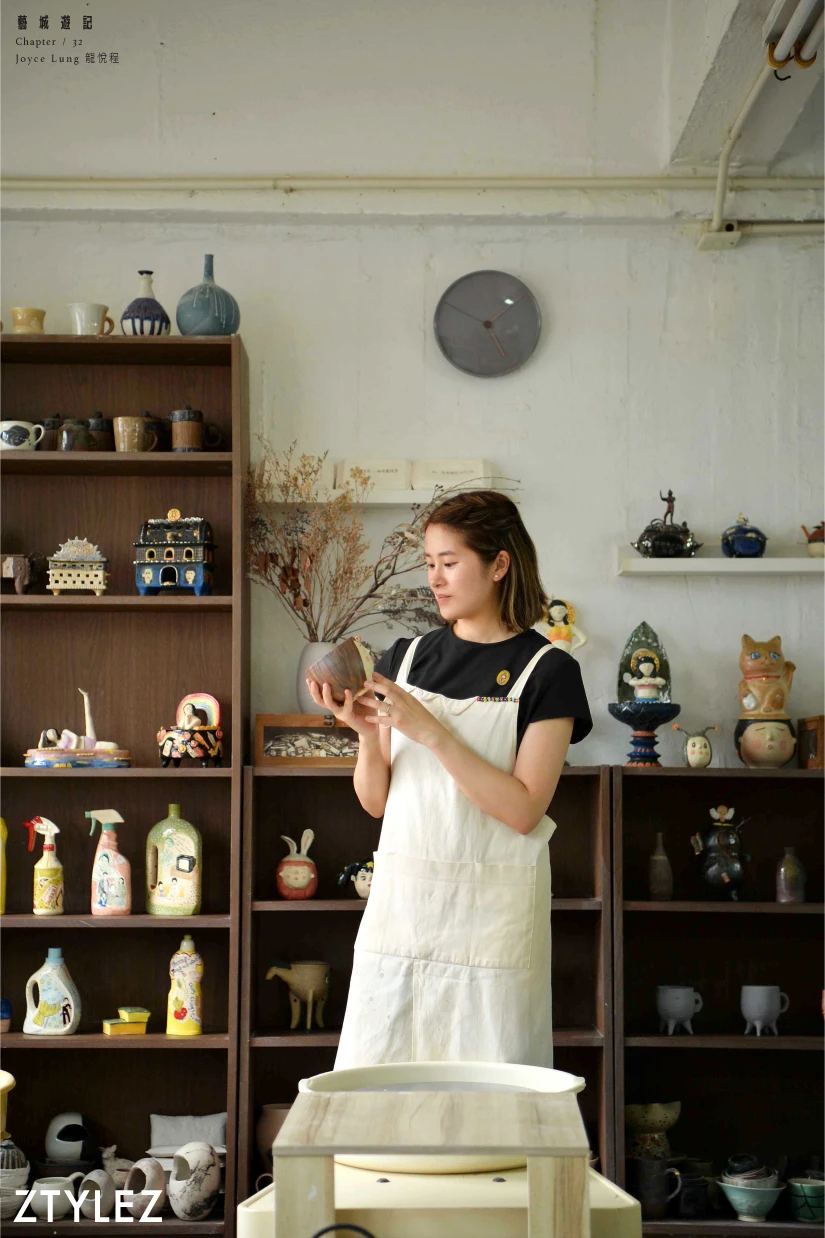
The insight Joyce shares is tangible in clay: belief need not be doctrinal to be real. It can be warm, practical, and present in everyday making.