



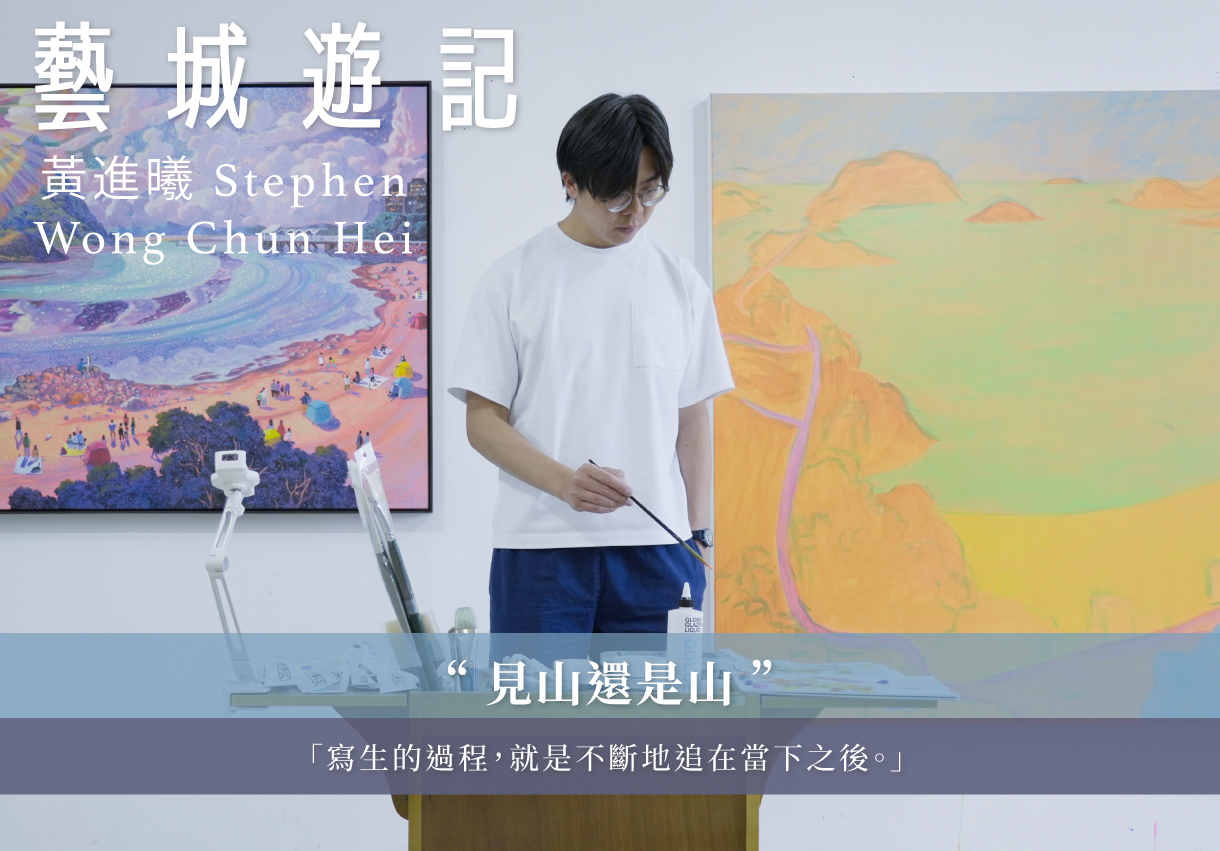
Hong Kong landscape painting is the focus of a new feature on artist Stephen Wong Chun Hei, who turns the city region’s mountains and trails into bold, color-saturated canvases.
Mountains are never far from Hong Kong life. There are more than 300 peaks across Hong Kong Island, the Kowloon peninsula, the New Territories and more than 263 islands, and those slopes shaped local culture, from villages at the foot of ridges to the so called Lion Rock spirit, a shorthand for community resilience.
For painter Huang Jinxi, who signs his work in English as Stephen Wong Chun Hei (黃進曦), those hills offer a private laboratory for color, light and memory. His landscapes ask viewers to move beyond surface impressions and to imagine how the places and the painter meet.
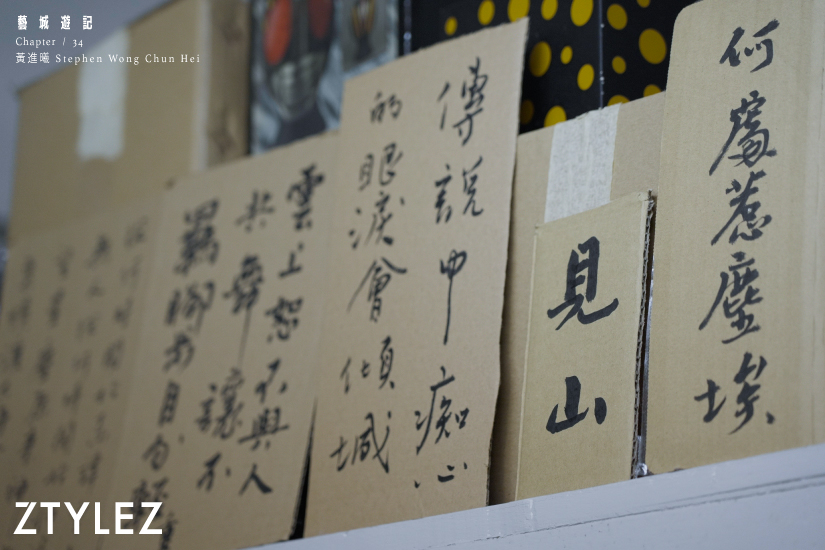
He describes his practice as a walking process, a back and forth between observation and imagination that yields what he calls “seen mountains that are mountains, then not mountains, then mountains again,” a Buddhist idea about evolving perception.
Everything begins with the mountain for him, whether he is sketching on a trail or revisiting scenes from memory in the studio.
Into the first grand landscape
Wong graduated from the Chinese University of Hong Kong’s art department in 2008. His work centers on natural landscapes, and he first trained himself by copying scenes from video games before taking sketchbooks into the hills.
He says the change mattered because seeing a place in person altered his relationship to it. “When you are inside the mountain, you truly feel its power,” Wong said. For him, Hong Kong landscape painting is a way to record how light and time change a place.

Wong recalls a first impulsive outing after a night in his studio. He rode a bicycle from Fo Tan to Wu Kai Sha pier with a small sketchbook and worked until dusk. The shifting light across the paper became, he said, a way to record time.
That impulse led him to tackle real trails. His first full hike took him from Pineapple Mountain in Tuen Mun to Ha Pak Nai because a guidebook described the sunset there as unmatched. He found, instead, that plein air painting brought other, unexpected challenges like wind and paint drying quickly.
Over time, walking became part of his method. He said the physical effort of hiking shapes the work and makes each painted scene feel earned. Hong Kong landscape painting, for Wong, is as much about distance walked as about color applied.
Between mountain and sea
On the winding trails, sweat and exhaustion give way to quiet. Wong prefers the uncertainty of the path because he never knows what view awaits around the next bend. That openness, he says, shrinks the human figure against the broad landscape in a way city life cannot.
When he paints, Wong often reconstructs a vantage point rather than reproducing an exact angle. The small figures that populate his canvases are part of a reassembled view that helps him and the viewer enter the scene.
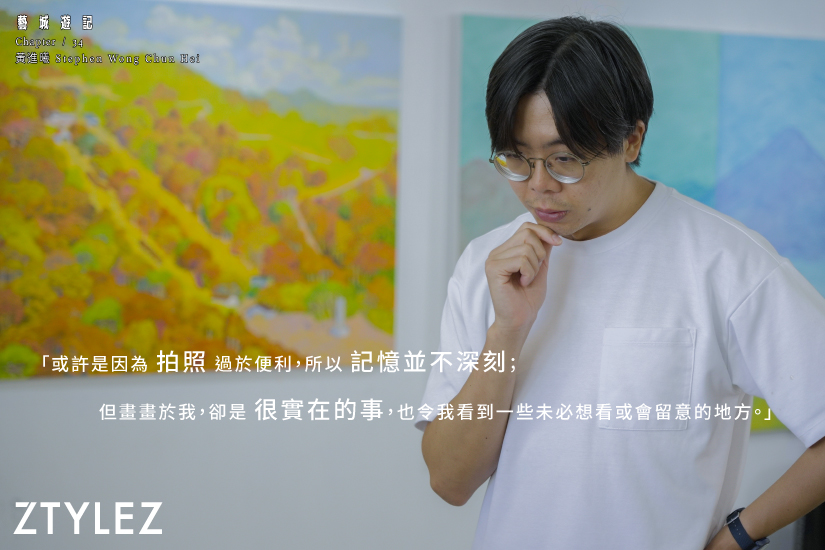
He also uses photography as a memory aid but says photos are too convenient to form deep memories. Painting requires time and deliberate observation. That is central to why he keeps returning to Hong Kong landscape painting.
Returning to Wu Kai Sha pier to make work for a collaboration with Cartier gave him a fresh perspective. The coastline had not changed much, he said, but the way people used the beach had, which altered the atmosphere and his painting.
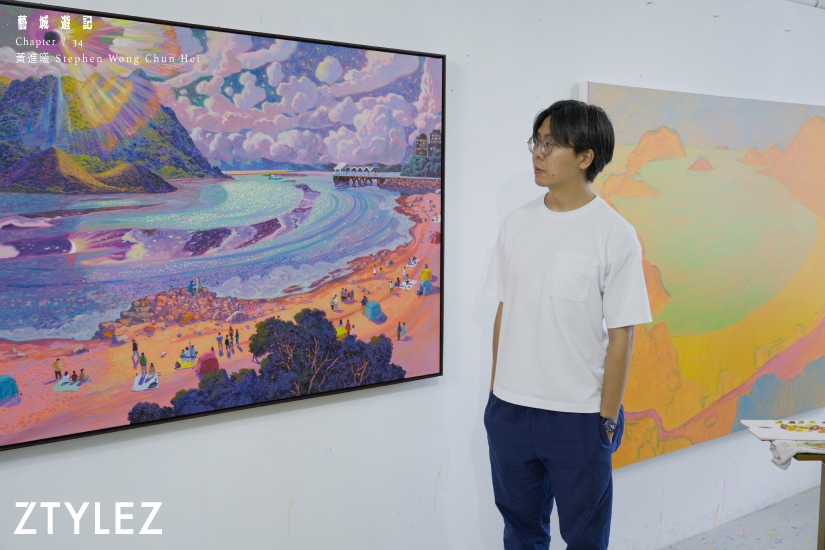
Wong spent months walking and painting the MacLehose Trail, a long distance route across the New Territories, and completed a major series during the pandemic. That project prompted him to quit a full time job and commit to art. The switch came after the COVID shutdowns made him reassess what could vanish overnight.
Those months also changed how he sees Hong Kong. “The city feels fragmented, but the mountains are continuous,” he said, and that continuity reshaped his sense of place. Hong Kong landscape painting expanded his view of the territory as a connected set of ridges and valleys rather than isolated urban pockets.
The practice sharpened his senses and made him more alert to small details he might otherwise have missed. He plans to join the Oxfam Trailwalker event if he gets a slot, because he wants to complete the MacLehose Trail not only as an artist but as a resident of Hong Kong.
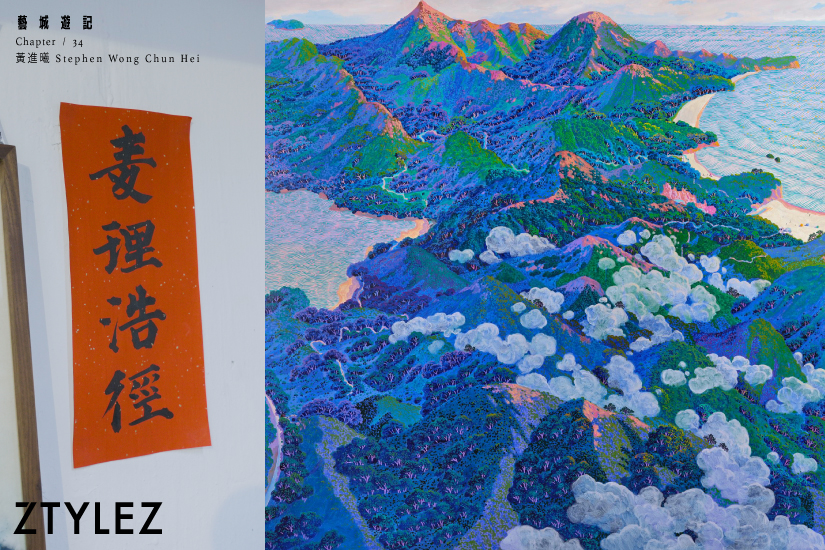
Wong also travels to paint. He recommends Mount Takao near Tokyo for a comfortable hike and, if weather allows, a view of Mount Fuji. He said that trail, like those in Hong Kong, offers the kinds of seasonal encounters that keep landscape painting alive.
To the summit
Wong believes plein air work is not an exercise in literal reproduction. He blends objective observation with subjective feeling to present two versions of truth at once. That approach is why his palette often pushes saturation higher than is strictly natural.
He said the high chroma is deliberate and traces back to his early interest in video game lighting. The result moves between realism and impression, which gives his scenes a slightly unreal, dreamlike quality.

Wong is unconcerned about AI as a competitor because he values human imperfection. “AI can achieve precision beyond human reach, and people can then embrace flaws as distinctively human,” he said. He deliberately keeps small inaccuracies in his work because those errors feel special to him.
Wong has held 19 solo exhibitions in London, Taipei and Hong Kong. His works have appeared at auctions and have helped raise his profile internationally. One MacLehose Trail painting sold for about HK$1.14 million, roughly about $146,000, a price that surprised him and changed how collectors discussed his work.
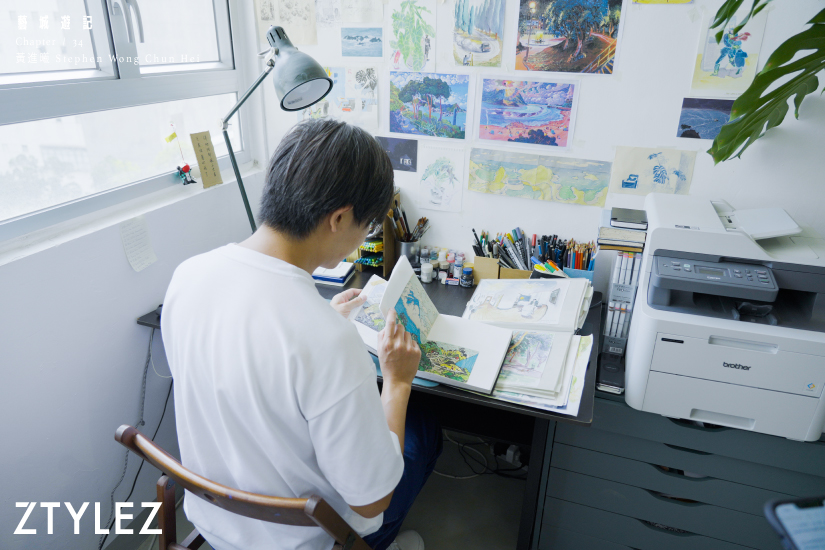
That auction success brought recognition but also a new burden. Wong said the conversation shifted from discussing content to focusing on price, which he finds frustrating. He worries that high auction numbers can prompt speculation that harms an artist’s long term development.
He also explained that auction proceeds rarely return to the artist, and high secondary prices force galleries and artists to raise primary prices, which can make the work unaffordable to true fans. He said he would rather not see his pieces become vehicle for speculation.
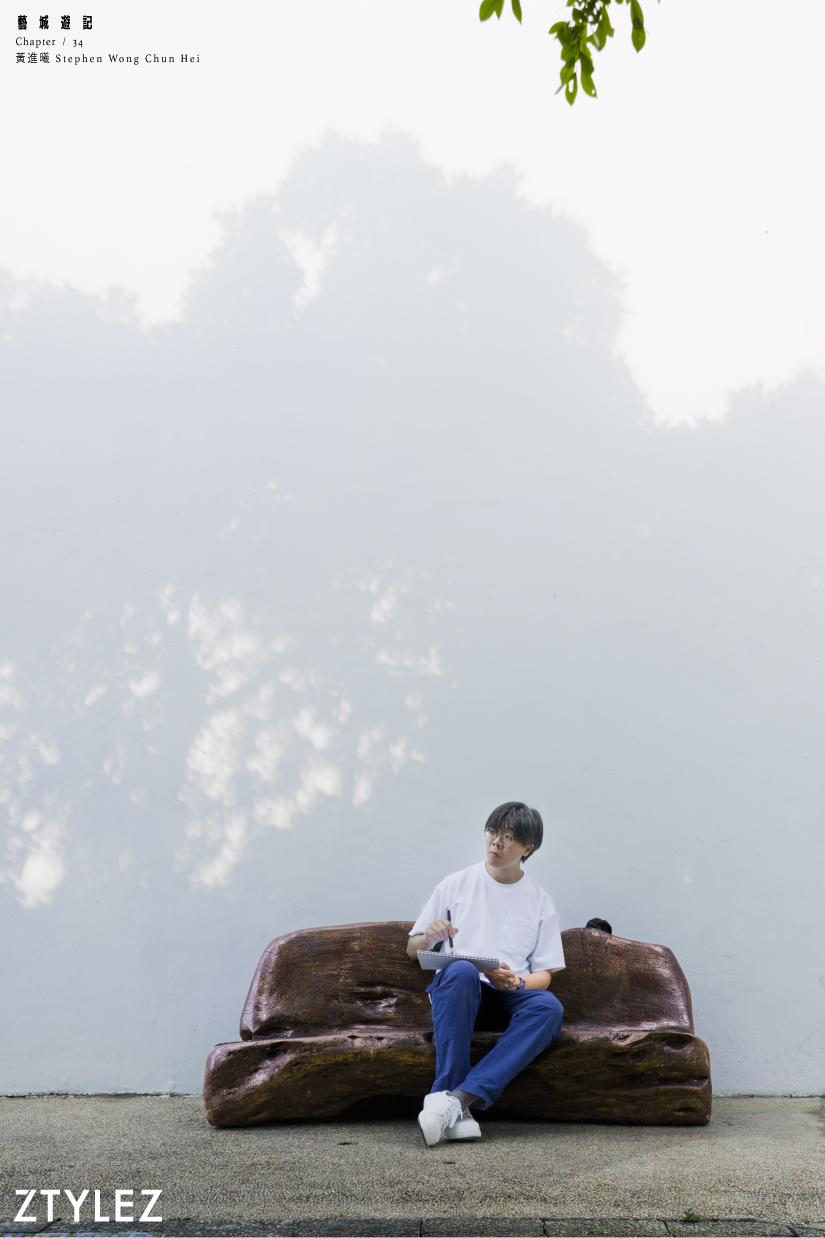
Despite market pressures, Wong says his life has not changed dramatically. Earning a living through art, he said, is a dream realized. His next priority is to protect the purity of his work and to keep Hong Kong landscape painting a joyful pursuit rather than purely a market product.
A journey begins with a step
Looking ahead, Wong said the core feeling that motivates him has not changed. He still feels youthful enthusiasm in the act of painting, but he now directs that energy toward finding beauty in familiar places rather than always seeking distant scenes.
“Past is past, future is future, focus on the present,” Wong said, a sentence he often repeats as a reminder to concentrate on the work at hand. For him, painting remains a slow practice that asks an artist to be present.
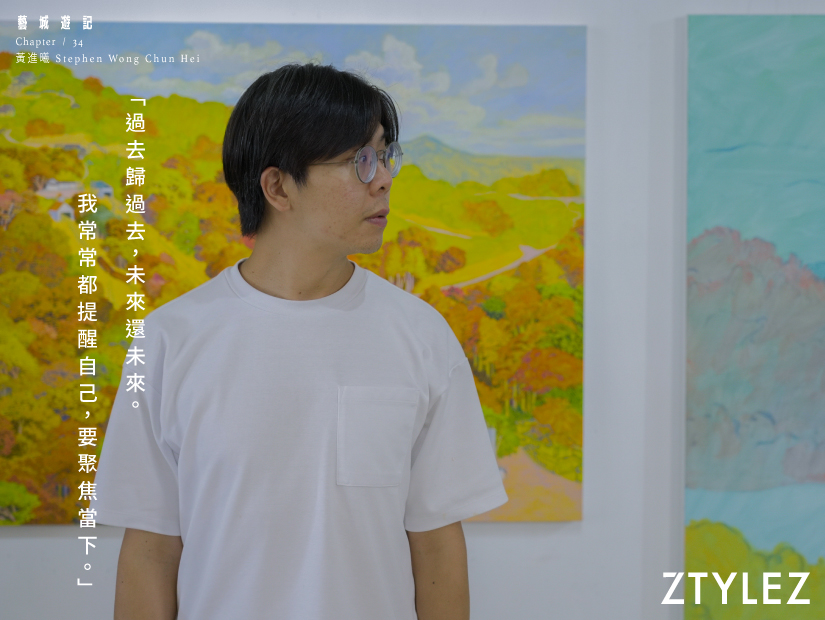
He says he hopes to make painting feel more like a pure interest again, even though the economics are difficult. Maintaining creative integrity while working within a market remains his central tension.
Wong is undecided about naming a top three list of the most beautiful places he has painted because completing one view only fuels his appetite for the next. Hong Kong’s hills, he said, taught him to appreciate what the city uniquely offers.
Step by step, he added, it is better to enjoy the landscape one creates by walking into it. For Stephen Wong Chun Hei, Hong Kong landscape painting is both a discipline and a daily pleasure.
Credits
Executive Producer: Angus Mok, Producer: Mimi Kong, Interview and Editor: Louyi Wong, Videography: Alvin Kong, Video Editor: Alvin Kong, Photography: Alvin Kong.
Source: Read for More feature interview. For more images and the original Chinese article visit the publisher’s site.