



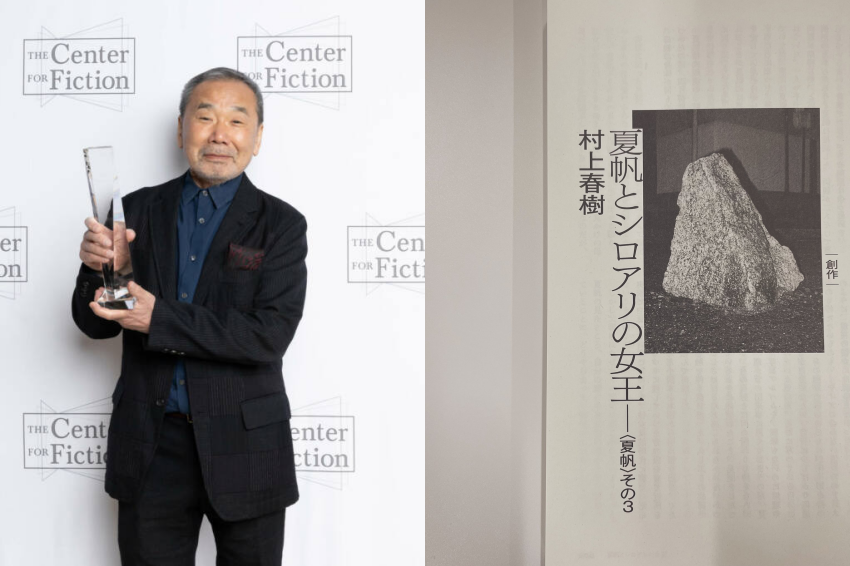
Haruki Murakami (村上春樹), 77, said last winter in New York that a serious illness left him hospitalized for about a month, but it also felt like a rebirth, and he has returned to writing, because he wants to keep exploring life through fiction.
He made a rare public appearance in Manhattan at an event hosted by The Center for Fiction, where he received a lifetime achievement honor presented by musician Patti Smith. After the ceremony he sat in a hotel bar in Manhattan and spoke with The New York Times about the illness that sharply reduced his weight, and about how it affected his work.
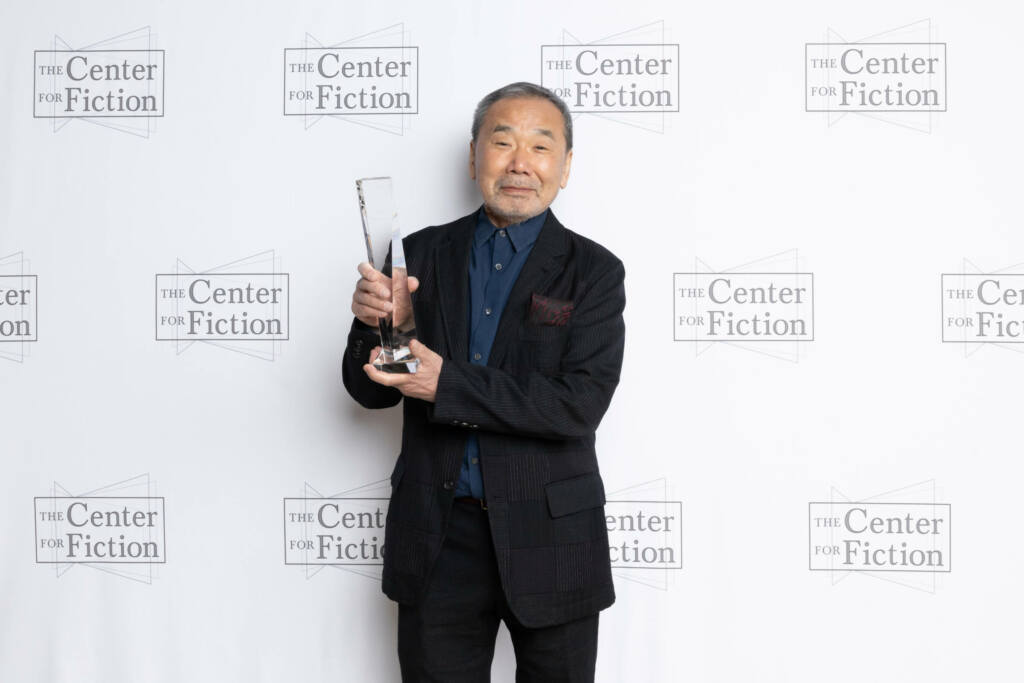
Wearing a sweatshirt, he spoke slowly and occasionally looked up at the ceiling as if catching thoughts in the air. For a writer who has produced fiction for half a century, language is never effortless, it is something he pulls up from deep inside.
When the body suddenly failed
The illness arrived without warning. For someone who has kept up a long running routine of jogging for decades, finding walking difficult was an unprecedented blow. He has said that running is like writing, solitary, repetitive, and demanding of endurance. One hour a day, day after day, was meant to keep body and will aligned. In the hospital those lines broke.
“I had no desire to write when I was sick,” he recalled. It was not laziness, and it was not boredom. It was a more fundamental loss, imagination sinking to the bottom, sentences failing to surface. For a writer, that can be more unsettling than physical frailty.
Writing after a rebirth
After he recovered, he found that some things had not left him, including the impulse to write that has sustained him for more than four decades. It was not duty, and it was not professional habit, it felt closer to instinct, like breathing, like a heartbeat. As his body slowly regained strength, the voice of his writing returned.
He said the recovery did not make him feel young again, it confirmed that he was still alive, and that the way he lives is by writing.
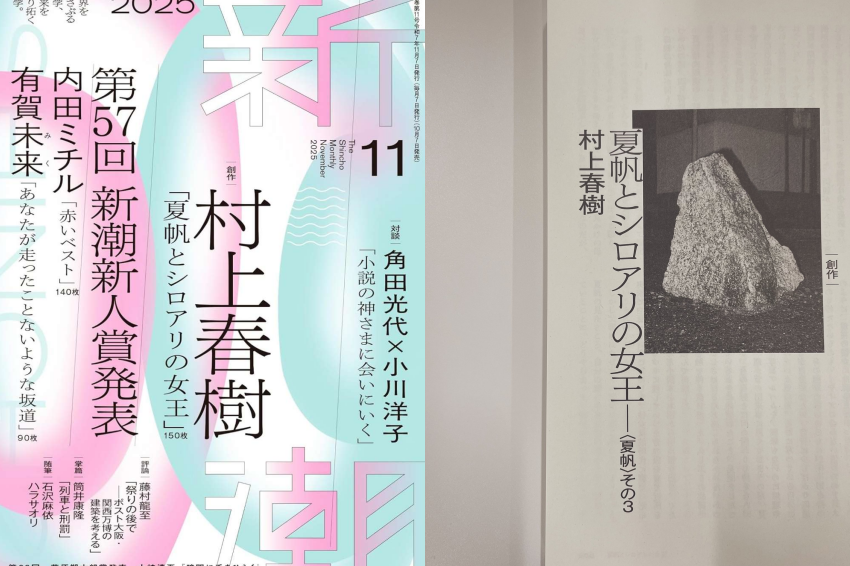
He has returned his energy to fiction. His latest book centers on a woman named Kaho and tells the story from a female point of view. For him it is not imitation, it is entering the inner life of another person, becoming her, and seeing the world through a different pair of eyes.
After writing so often about solitary men, jazz bars, missing lovers, and parallel worlds, the shift feels both unfamiliar and natural, as if many years of writing have led him to a new entrance.
The work was serialized in 2025 in Shincho, a Japanese literary magazine, and a standalone edition is scheduled for release this summer.
He still wants to keep writing
After a lifetime of writing, he can still look at the world through another pair of eyes, and still enter another person s soul, which he described as “wonderful.”
He said age brings not only decline but also a kind of freedom. When he was younger he worried about reputation and position. At this stage of life he feels closer to the original state of writing, doing it simply because he wants to.
He recalled the days when he ran a jazz bar, listening to music by day and operating the venue at night, moving between the kitchen and the turntable. He was not yet a literary figure then, he was someone who loved stories and melody.
Writing has taken him around the world and left him sitting alone at his desk for long periods. Solitude has not disappeared, it has become a space where he can live.
“I do not know how many more novels I will write,” he said at the end of the interview, “but I feel I can still write more, because writing novels is so wonderful, it is like exploring myself. Even as I age, there is room to explore.”
There was no boast in that remark, only a calm conviction.
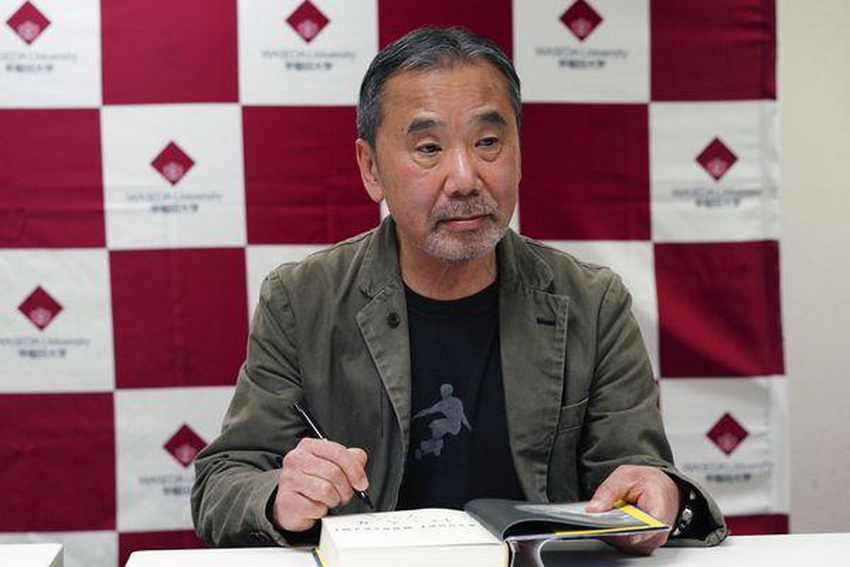
After a brush with death he returned. Not with some great revelation, and not with sudden clarity about life, but with something simpler: he sat at his desk again, opened a new manuscript, and began to hear sentences forming in his mind once more.
He still wants to write, not out of obligation, but out of love. After what he described as a rebirth, wanting to keep writing may be the truest sign of renewal.
That is enough.
Haruki Murakami Says Serious Illness Felt Like a Rebirth, He Returns to Writing
Haruki Murakami, 77, discussed a recent serious illness in New York, his recovery, and a new novel centered on a woman, saying the experience felt like a rebirth and that he wants to keep writing.
Haruki Murakami, literature, recovery, The Center for Fiction, Patti Smith, Shincho, New York, author interview