


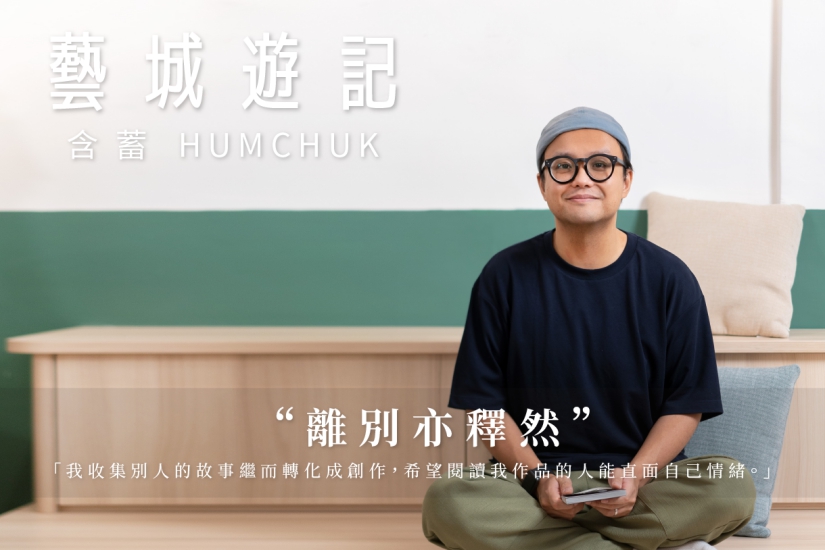
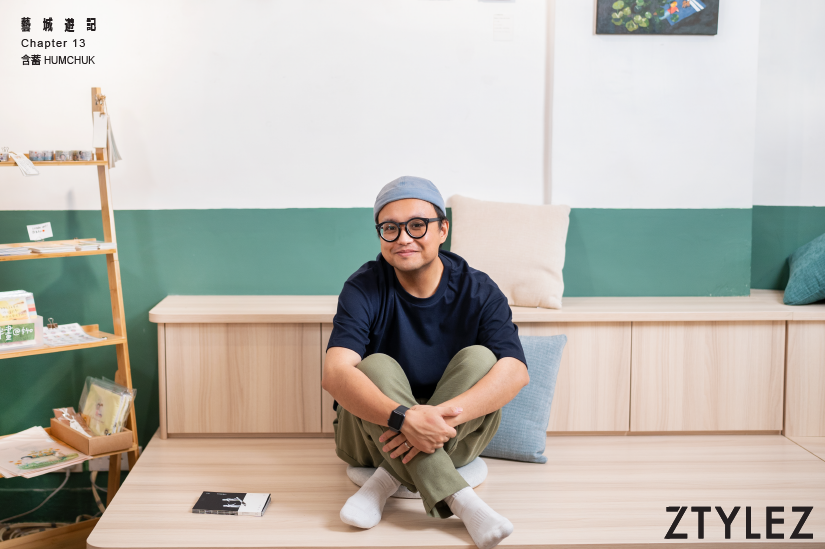
Ricky Luk interview: Hong Kong illustrator Ricky Luk (含蓄), who goes by HUMCHUK online, says the quiet changes in the city have pushed many people to hide emotion behind a public mask.
Luk left a career in architecture in 2014 to create full time, and he has since turned collected stories from Hong Kong residents into minimalist drawings and short, healing texts. He published a book about loss in July, and has released several earlier picture books including titles that translate as If We Only Meet, I Do Not Want to Die Alone, and If You Are Tired, Lie Down and Do Not Move, he said.
Ricky Luk interview: the masked figure and the work behind it
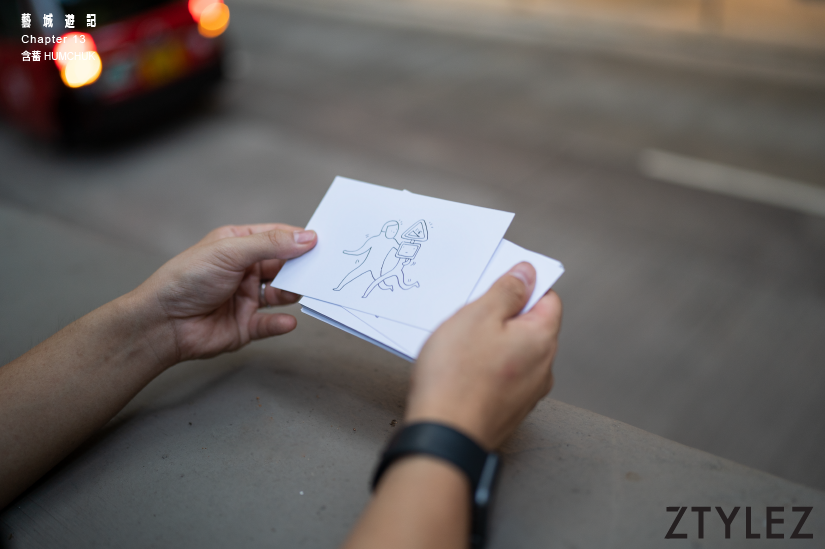
Luk created his signature character, the masked figure, to remove identity and open a space for readers to imagine what lies behind the face. The mask can stand in for the artist himself, or for anyone reading the work.
He said he chose the pen name 含蓄, which means reserved or restrained, because he saw the city slipping into one way communication, where people speak but rarely leave room for a reply. “I wanted the act of communicating to feel more two way,” Luk said.
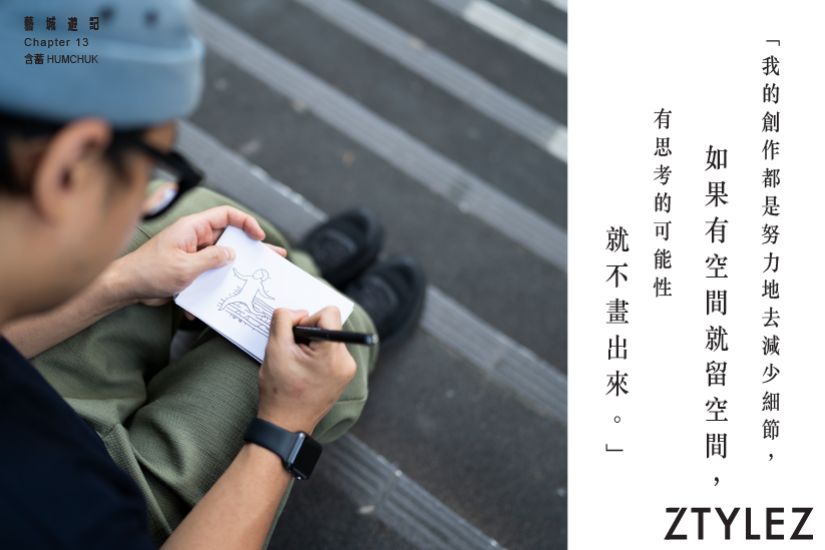
Luk favors simplicity in both line and language. He deliberately leaves blank space in drawings and text so readers can bring their own thoughts to each scene, rather than explaining every feeling.
He also said the practice of collecting other people’s stories is central to his work. Those stories, often about companionship, loneliness, helplessness, and parting, are refined into a few lines and a short caption that function like a mirror held up to a reader’s inner life.
When listening becomes the creative act
As part of his process, Luk has invited strangers to trade their stories for his drawings at public markets. He said about 90 people queued to sit with him during one event held in a year when many were feeling depressed and tense.
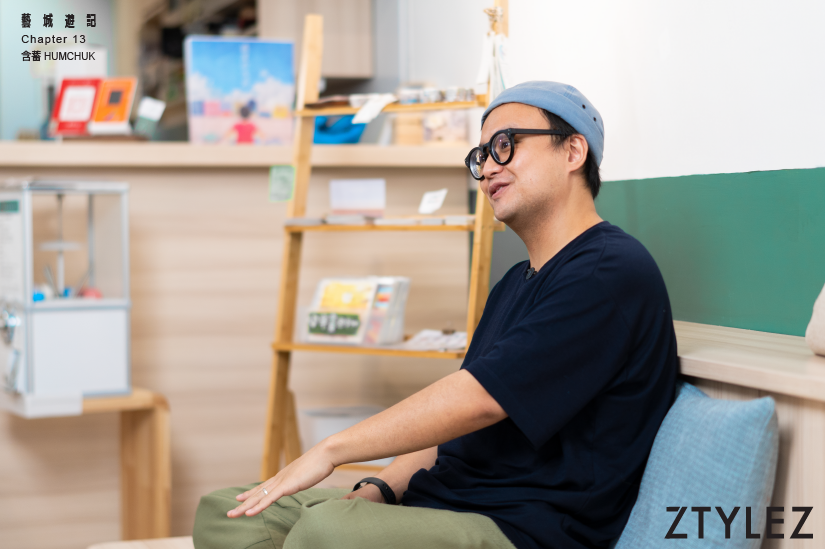
“I am not the protagonist in these stories,” he said. “When you realize you have no obligation to fix someone, you do not carry the same burden. I am a companion who listens. If something sparks a creative idea, I transform it. But after an encounter, it is over.”
Turning loss into a book, one collected story at a time
Luk spent recent years collecting stories about parting and departure, and those accounts became his new book, 於是我們擁有了失去. He said working on the theme of parting was one of the most difficult projects he has attempted, because each story carries a long history of memories and relationships that cannot be fully captured in a single page.
“Parting is not a method, nor is it a short process,” Luk said. “It is a point on a line that bears everything that happened before, and all the feelings and memories built with others. Every time I empathize with these stories I must imagine so much, and that drains you.”
The stories he gathered describe migration, breakups, imprisonment, and farewells to the dead. Luk worried that readers might find such a book too bitter or sad, but he said that loss is an inevitable stage of life and deserves attention.
Design, gatherings, and the hope of reunion
Luk organized seven book talks after the release to give the short vignettes fuller voice. He called each event a completion of the book, because the pages record only the instant of parting, not the entire backstory.
He described one memorable piece called “The Tree,” about a woman leaving a twenty year village home who clung to an old tree as a witness to the life she was forced to abandon. Another piece, titled “Declaration,” imagines the beliefs of those who leave and those who stay, and the courage each choice requires.
The physical book splits left and right pages into black and white, Luk said, with the left representing those who remain and the right representing those who leave. When a reader closes the book the implied meaning is that separation can end in reunion, and that a thread of hope remains even inside deep sorrow.
Luk said his work encourages people to allow themselves to be vulnerable. “The first step in coping with trauma or helplessness is admitting that you have emotions and that you are not always in control,” he said. “You do not need to gear up and tell others you are fine. My work tries to let people know it is okay to show weakness.”
Staying connected to Hong Kong, even if he travels
Much of Luk’s work remains rooted in stories from people who live in Hong Kong. The book’s focus on parting prompted many migration stories, and Luk said he has thought about leaving himself, but cannot abandon his identity as a Hong Kong person.
He said he may live abroad at times and continue collecting stories from Hongkongers in different places, but his creative center will remain tied to everyday life and shared routines because those are what bring readers comfort.
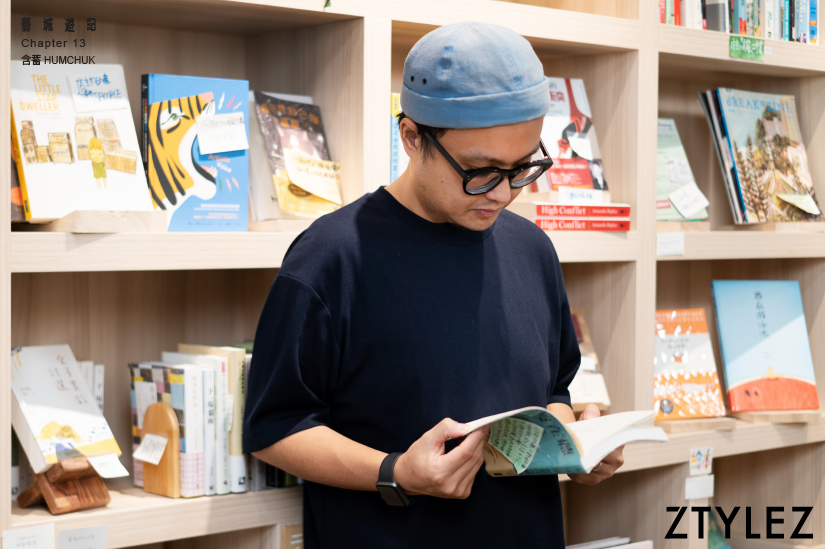
When asked if he had guidance for people going through parting, Luk smiled and offered none as instruction. “I am only a companion,” he said. “I can walk with you for a stretch, and perhaps with some luck we walk on together. What happens after goodbye is to be continued.”
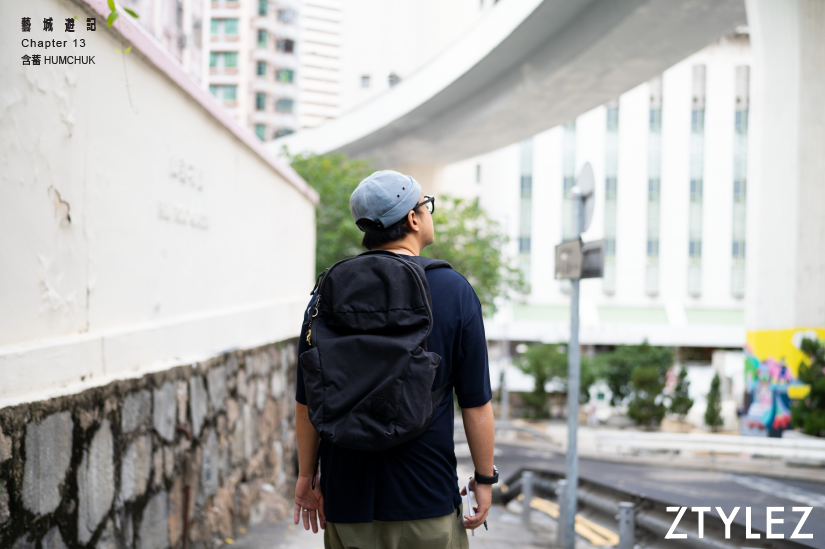
Executive Producer: Angus Mok
Interview and text: Ruby Yiu
Videography: Andy Lee, Kason Tam
Photography: Kris To
Video Editor: Andy Lee
Designer: Michael Choi
Location: Hiding Place
Special thanks: HUMCHUK