


Rejuran treatment has become a must-do cosmetic procedure for many women seeking a natural, luminous complexion when they travel to Korea, and the trend has spread across Taiwan and other parts of Asia.
What is Rejuran? A polynucleotide skin healer
Rejuran is a polynucleotide injection therapy developed by South Korea’s Pharmaresearch Co. Ltd. The product’s active ingredient is PDRN, short for polydeoxyribonucleotide, or more broadly PN, polynucleotide, which the company sources from salmon reproductive cells that it says share up to 95 percent DNA sequence similarity with human tissue. According to Pharmaresearch, proprietary purification produces high biocompatibility, and the injected material rarely triggers rejection reactions.
How Rejuran treatment works at the cellular level
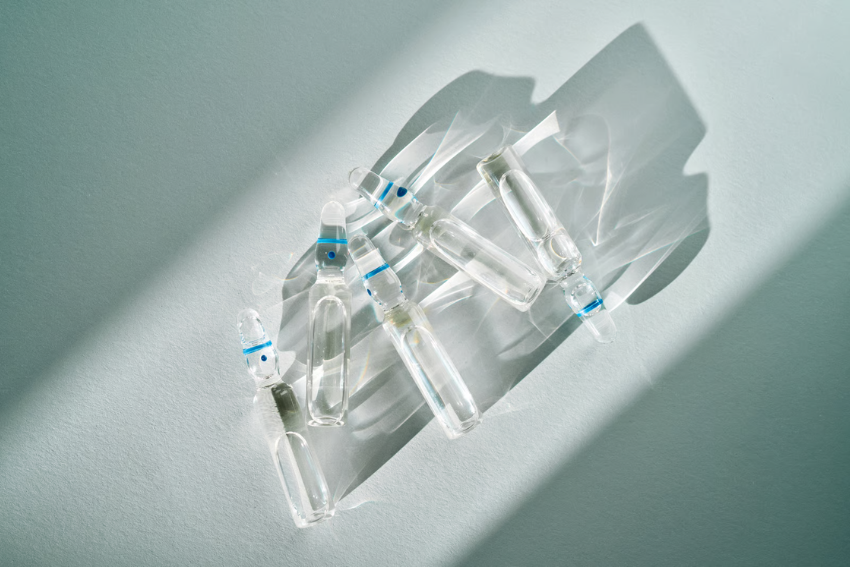
Pharmaresearch says Rejuran works by triggering cellular repair in the dermis. When PN is delivered into the mid to deep dermal layer, it is intended to activate fibroblasts and stimulate production of collagen and elastic fibers, improving skin texture and resilience.
Company literature and clinical studies cited by the manufacturer report that Rejuran can help reduce fine lines, lighten acne scarring and dullness, shrink enlarged pores, and thicken fragile epidermal tissue, producing a firmer, more radiant appearance over time.
Rejuran versus traditional hyaluronic acid injections
Rejuran treatment is often grouped with “water glow” injections, but the two are different in composition and treatment goals. Traditional water glow injections rely on hyaluronic acid, which focuses on surface hydration and immediate plumping.
By contrast, Rejuran targets the skin microenvironment and aims for deeper tissue repair rather than a short-term filling effect. This makes Rejuran more of a regenerative approach to aging skin, according to treatment guides provided by clinics and the manufacturer.
Who is a good candidate for Rejuran treatment?
Rejuran is commonly recommended for people noticing early signs of aging, such as mild skin laxity and fine lines, and for those with chronically dry or sensitive skin that reacts during seasonal changes. Clinics also suggest it for patients seeking improvement in dull skin, acne scarring, or enlarged pores, and for faster recovery after laser procedures.
Four Rejuran product types explained
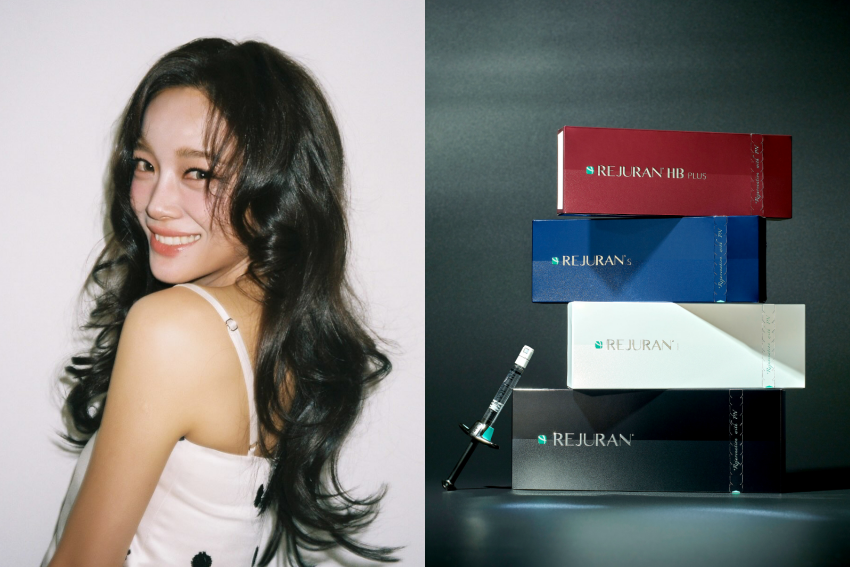
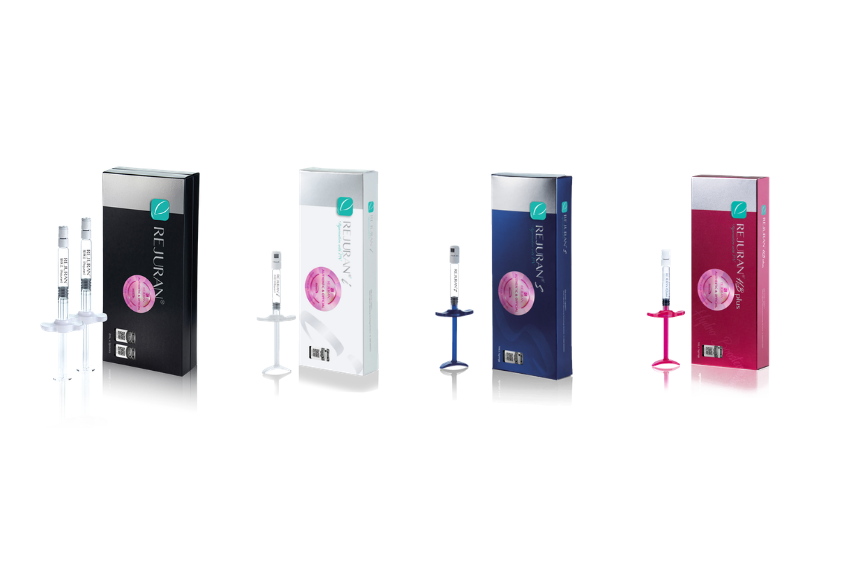
The Rejuran family typically uses colored packaging to indicate different formulations. According to manufacturer product information, the classic black box, called Rejuran Healer, is positioned as an all-purpose option for whole-face collagen regeneration and balance of oil and moisture.
The white box, sold as Rejuran I, uses a lower molecular weight and lighter texture, made for thin, delicate areas such as the under-eye and tear troughs to address crow’s feet and dark circles. The blue box, labeled Rejuran S, is thicker and more viscoelastic, used for filling and remodeling depressed acne scars. A newer red box, marketed as Rejuran HB Plus, combines crosslinked hyaluronic acid with PN and includes a local anesthetic, for simultaneous repair and deeper hydration with reduced procedural discomfort.
| Four Rejuran product types | |
| Black box, Rejuran Healer | Manufacturer describes it as the most popular all-purpose formula for full-face anti aging, balancing oil and moisture, and improving elasticity. |
| White box, Rejuran I | Lightest texture and lowest viscosity, designed for fragile under-eye skin, tear troughs, and fine lines. |
| Blue box, Rejuran S | Thickest formula with high viscoelasticity, suited for targeted filling and collagen induction in acne scarring. |
| Red box, Rejuran HB Plus | Formulation combines PN with crosslinked hyaluronic acid and a local anesthetic, aiming for repair with enhanced hydration and reduced pain during treatment. |
Device delivery or doctor hand injection which is better?
The delivery method affects outcomes. Mechanical devices such as mesotherapy guns or pneumatic syringes can place the product evenly at preset depths and are often faster with lower perceived pain.
Manual injection by a trained, licensed physician relies more on technique and experience. Doctors can adjust dose and depth for different facial zones, skin thickness, and localized defects such as under-eye hollows or scar areas, which may reduce product waste and improve precision, clinics say.
Does Rejuran treatment hurt? A realistic look at pain
Patients report that Rejuran can be more noticeable than some other injectable moisturizers because the PN molecules are relatively large and the solution can differ in pH from the surrounding tissue, producing sensations of pressure and heat during delivery.
Most clinics apply topical anesthetic for an appropriate period before the procedure. Selecting the red box HB Plus formula, which contains a local anesthetic, or using a device for delivery, can reduce discomfort to a tolerable level, practitioners say.
Side effects and the expected recovery course
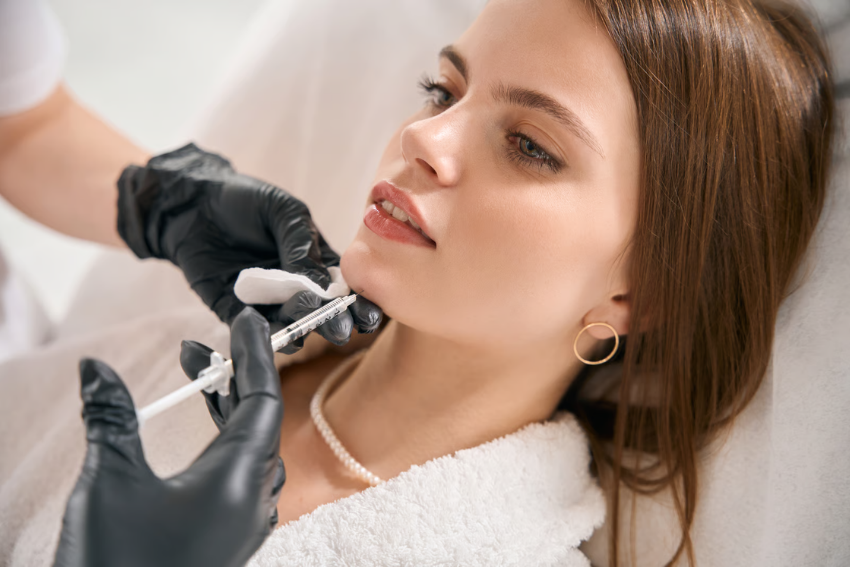
According to manufacturer safety information and clinic reports, Rejuran is generally well tolerated with a low rate of allergic reactions. Immediately after injection, patients commonly see small, raised bumps that resemble mosquito bites, medically described as papules, which reflect the presence of product in the dermis.
Those papules typically subside within 24 to 48 hours. Some patients may have mild puncture site bruising or redness that resolves within 3 to 5 days, making the treatment a minimally invasive option that usually does not interrupt daily life.
How long do results last and recommended treatment schedule
Rejuran effects develop gradually. Clinics report that visible improvement often begins 2 to 4 weeks after treatment, and results typically last about 6 to 12 months. For cellular remodeling, many clinicians recommend a primary course of three sessions spaced 3 to 4 weeks apart.
After completing the initial three treatments, maintenance sessions every 6 to 12 months can help preserve the plumpness and radiance achieved, practitioners say.
Is Rejuran safe? Choose authentic product and a professional team
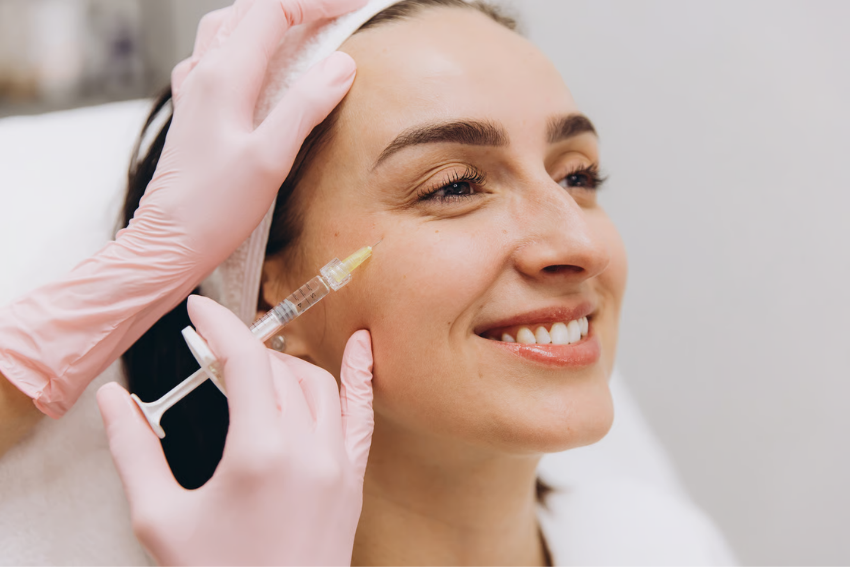
Rejuran is listed by the manufacturer as having received approvals and certifications from South Korean regulators and European conformity marking CE. Pharmaresearch and clinics emphasize the importance of verifying authentic product and selecting registered medical centers staffed by qualified physicians to ensure safety.
Postprocedure golden rules, aftercare for Rejuran injections
To maximize benefit and reduce risk after a Rejuran session, clinics advise avoiding water on the treated areas for 24 hours and postponing makeup to reduce infection risk. For the first week avoid other aesthetic light or energy treatments, strenuous exercise, sauna use, and high temperature baths.
Skincare with irritant ingredients such as retinoids, alpha hydroxy acids, or high concentration vitamin C should be paused for about 3 days. Focus on gentle hydration, ceramide repair creams, and physical sun protection such as hats and umbrellas while skin completes the repair process.
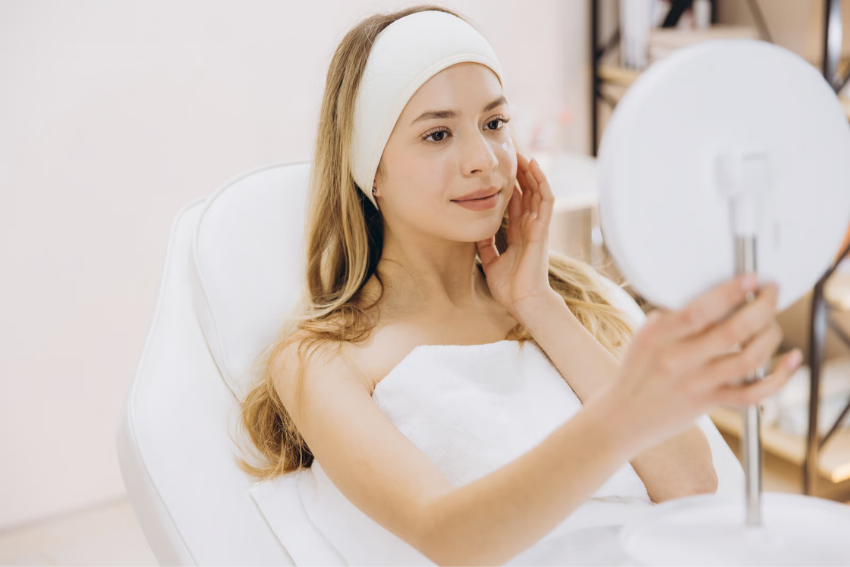
| Keep the area clean | Do not let treated skin get wet for 12 hours, then cleanse gently with water. |
| Simplify hydration | Avoid products with alcohol, fruit acids, retinol, or high concentration vitamin C for 3 days; focus on gentle moisturizers and ceramide support. |
| Strict sun protection | Avoid direct sun exposure and use physical shade, hats, and umbrellas when outdoors. |
| Activity and lifestyle | For one week avoid hot springs, sauna, or intense exercise, and refrain from alcohol to reduce redness and swelling. |