


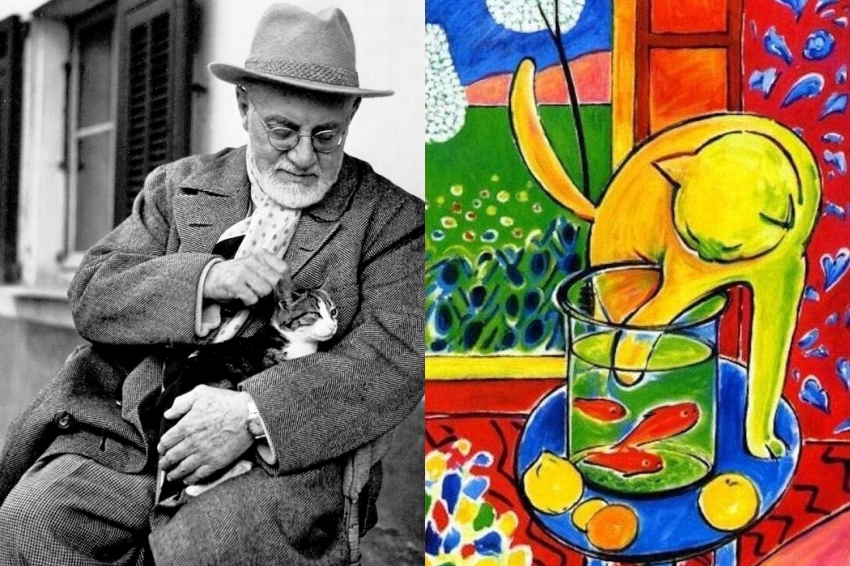
Matisse late works show how Henri Matisse reinvented his art after 70, producing cut outs and compositions that reshaped design and visual culture.
Art history has long favored youthful genius, from Pablo Picasso to Wolfgang Amadeus Mozart, from Arthur Rimbaud to Jean Michel Basquiat.
Those celebrated names created a narrative that talent should appear early, achievements should arrive quickly, and legends should be born in youth. Henri Matisse challenges that frame.
Matisse late works and the idea of reinvention
Matisse did not follow the typical arc of an art prodigy. Born in 1869 in northern France, he trained in law and worked at a law firm before turning to painting during a period of convalescence.
He later said that the first time he picked up a brush he felt an unprecedented freedom. He began painting at about 20, left the legal profession, and enrolled in art school to make a new life for himself.
His path to recognition was not smooth. Critics and conservative audiences often rejected his work, yet his outsider entry into the art world helped him question rules and repeatedly overturn his own methods over decades.
Color, line and a rivalry with Picasso
If twentieth century art has two unavoidable names, they are Picasso and Matisse. The two met in early twentieth century Paris and maintained a competitive and admiring relationship for nearly half a century.
As Picasso dissected space and structure toward Cubism, Matisse focused on color, line and emotion to rethink the purpose of painting. Picasso said that no one studied Matisse more closely, and that Matisse returned the attention.
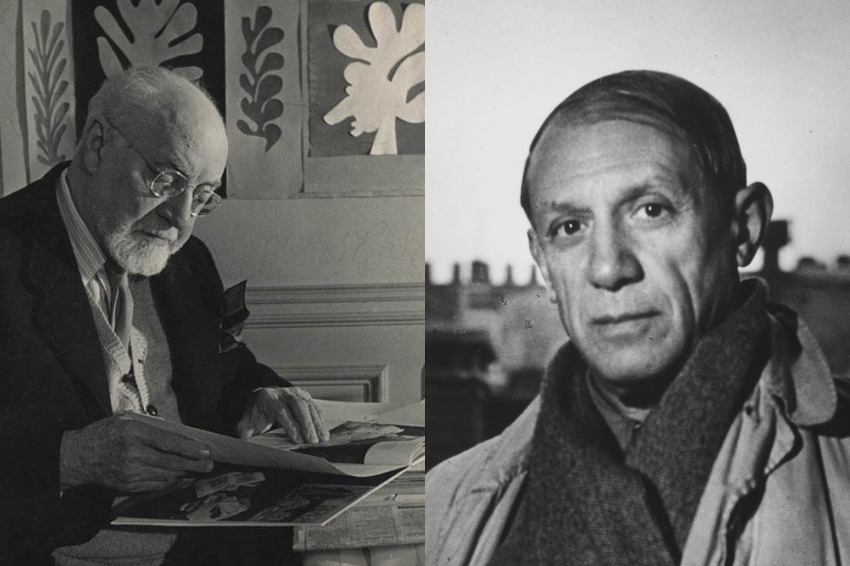
Unlike Picasso’s formal analysis, Matisse asked what remains if unnecessary detail is removed. His work uses economy of means so that each line and color carries emotional weight.
From Fauvism to simplified form
At the 1905 Salon d’Automne, Matisse and a group of young painters shocked Paris with bright, bold color. Critic Louis Vauxcelles labeled them Les Fauves, the wild beasts, and the name stuck as Fauvism.
But Matisse’s revolution was more than color. He pared figures and interiors to long, fluent lines and pure shapes, refusing academic detail in favor of distilled feeling.
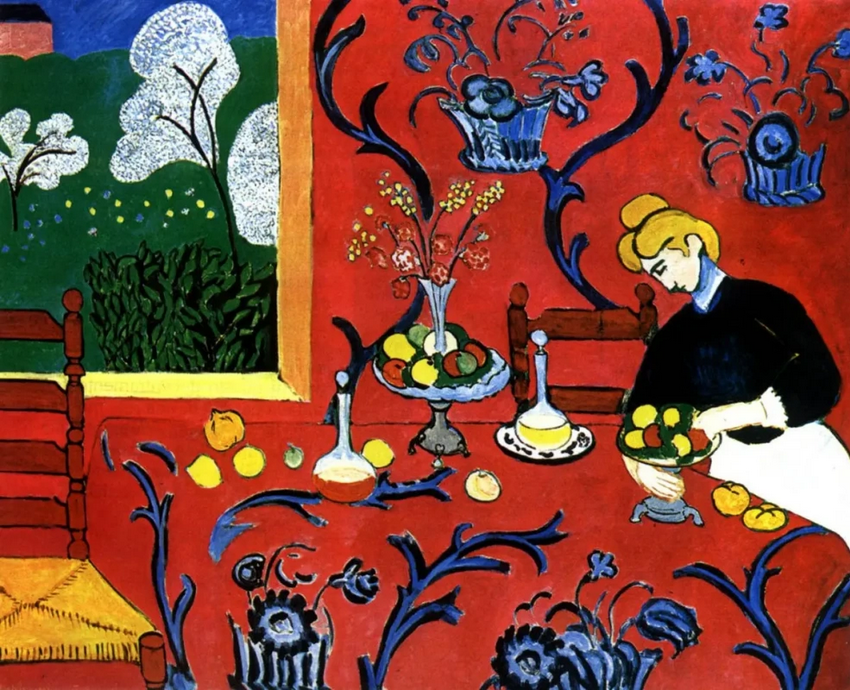
Simplification is difficult, because when detail is removed every remaining stroke must be exact. Matisse’s long, confident lines capture posture, mood and life with minimal means.
Illness, new limits and the birth of cut outs
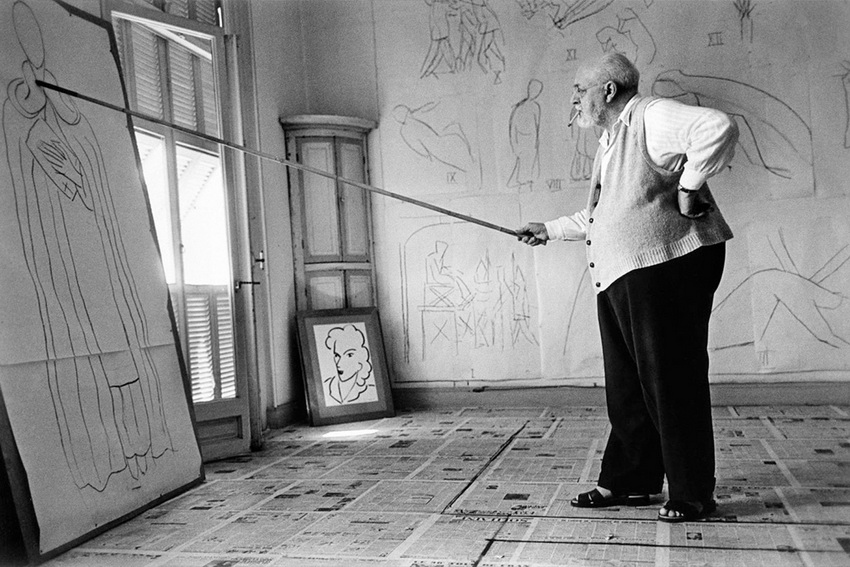
In 1941, at age 72, Matisse underwent major surgery and faced long periods of bed rest and wheelchair use. Conventional painting became physically difficult.
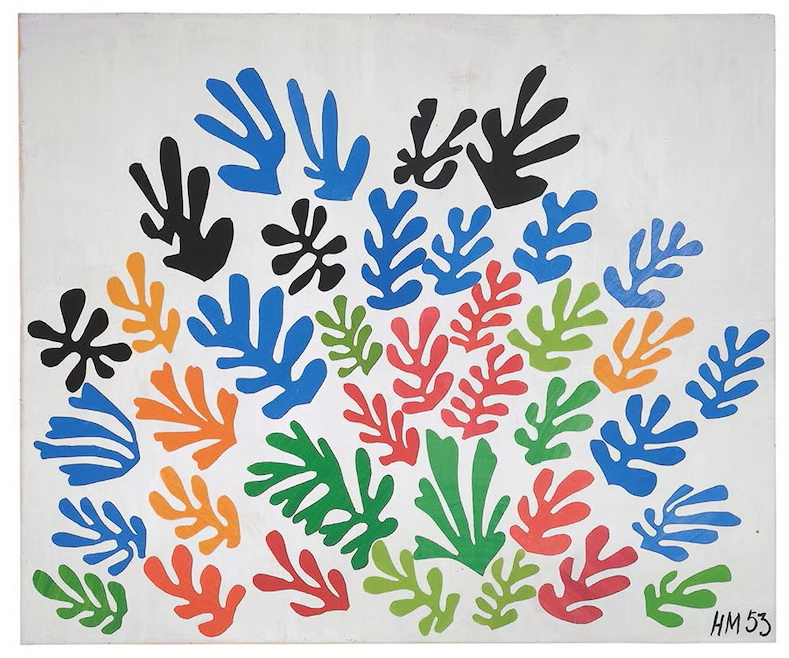
Rather than stop, he found another method. He painted sheets of paper in vivid color, cut shapes with scissors, and arranged the color planes into compositions. This practice became the cut outs, his final and most influential body of work.
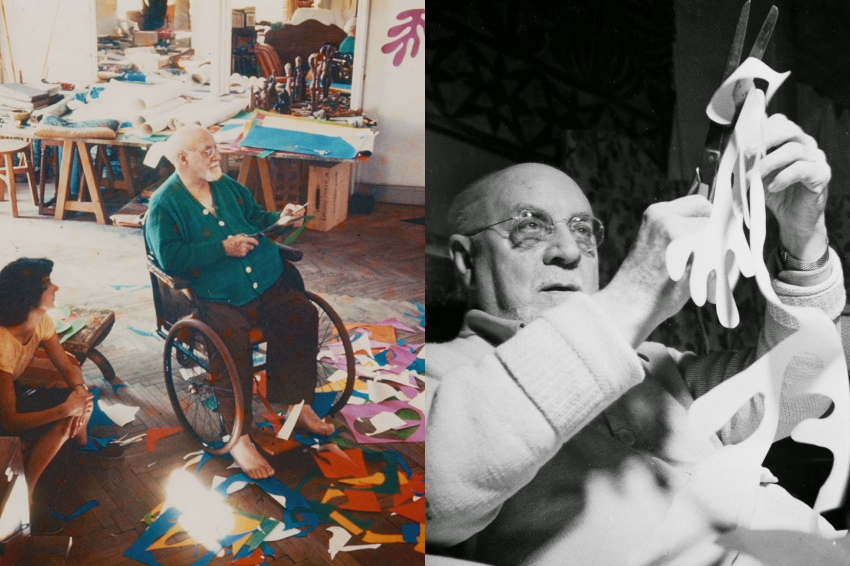
Matisse called the technique painting with scissors. Faced with limitation, he gained a different freedom because scissors and colored paper allowed immediate, intuitive response without brushes, perspective or formal constraints.
Blue Nude III and the power of reduction
Completed in 1952, Blue Nude III is widely regarded as a signature late work by Matisse. The female figure is broken into deep blue paper planes and simplified contours, yet maintains a sense of weight and rhythm.
The work has no lavish brushwork and no virtuoso display, but it exerts strong visual force. Its economy of form resonates with contemporary graphic design and minimal aesthetics.
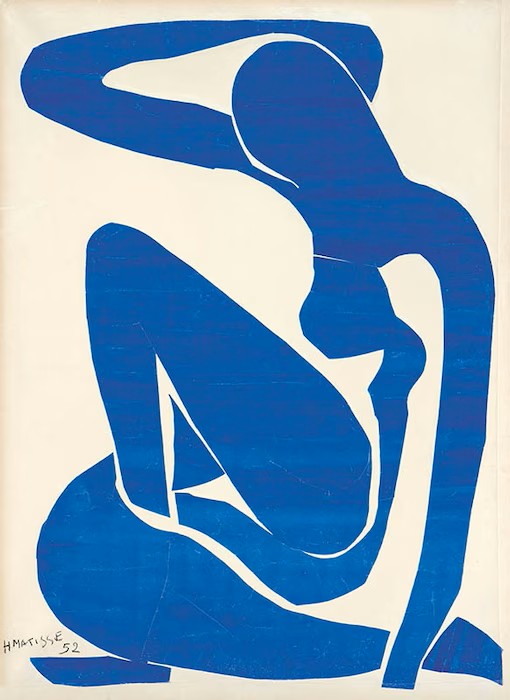
Many art historians view Matisse late works as more than personal peaks; they see those compositions as forecasting later directions in visual culture for decades to come.
The Dance and the vocabulary of joy
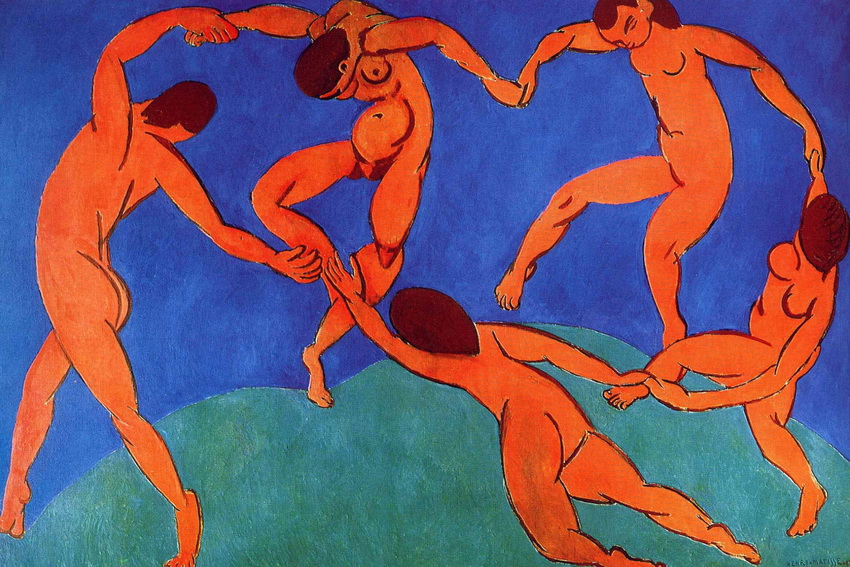
Where Blue Nude III compresses form, The Dance expresses life force. Five figures hold hands and circle under a blue sky and green ground, simplified to rhythmic line and color.
There is no complex background and no detailed faces, yet the painting thrums with energy. Critics have said Matisse sought joy and balance rather than conflict, and The Dance has become one of his most familiar images.
Why Matisse late works still matter
Our culture measures life by age milestones, but Matisse shows creativity is not limited to youth. He began painting around age 20, developed his language in middle age, and reinvented himself after 70.
Those late pieces were often completed under illness and constraint. They became classics not because life was easy, but because he continued to start again and adapt.
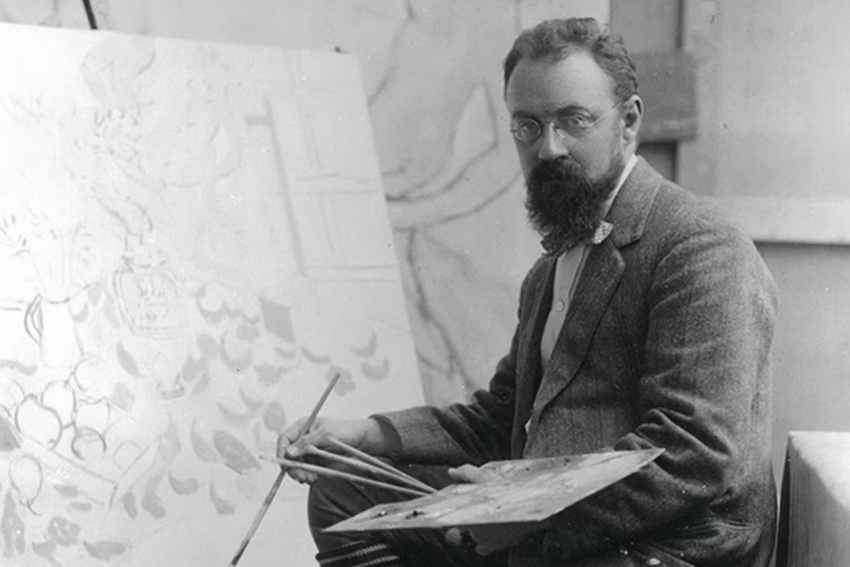
Today, Matisse late works are not only museum staples but ongoing sources for designers and makers. The artist’s principle of expressing the purest feeling with minimal elements remains influential.
Matisse late works in contemporary design
Luxury brand Montblanc and Maison Matisse recently collaborated on a Masters of Art Homage to Henri Matisse series, drawing on works such as Blue Nude III, The Dance and Window in Tahiti.
Montblanc and Maison Matisse said in a statement that the designs translate Matisse late works into writing instruments by echoing blue and white palettes, cut out silhouettes and flowing line work.
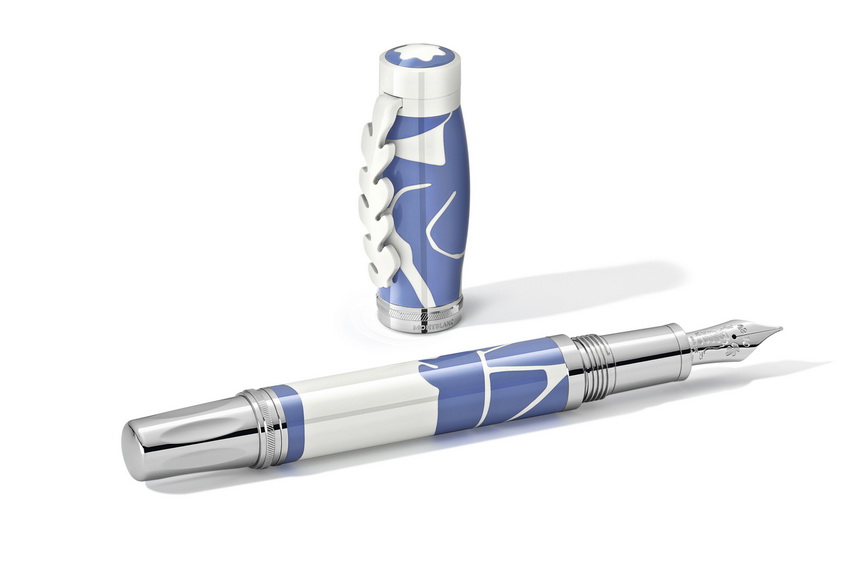
The collaboration is one example of how Matisse late works continue to spark conversations between art, craft and commerce. Designers reference his simplified planes and rhythmic lines to create objects that feel modern and immediate.
Half a century after his death, people remain drawn not only to the bright colors, but to the lesson that creativity has no deadline. Matisse taught that change can begin at any age, and his late works are the proof.