


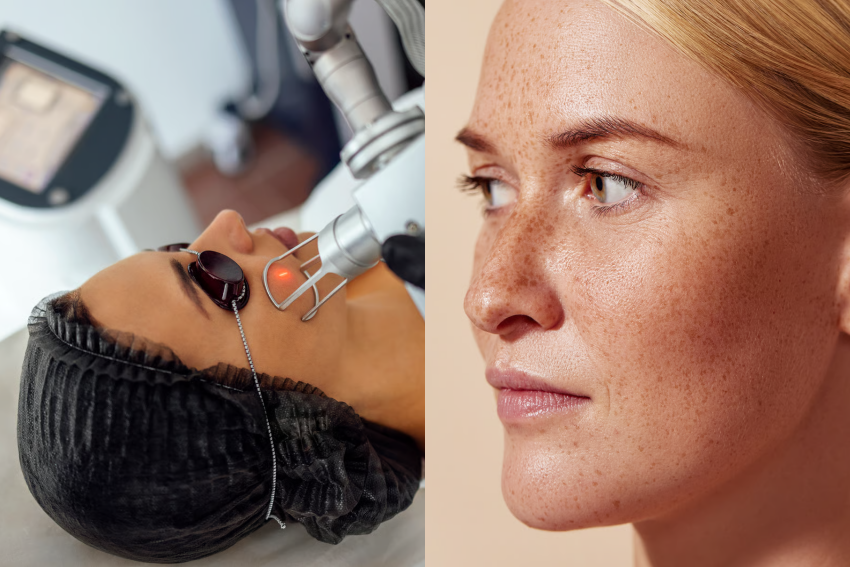
Laser spot removal is one of the most effective clinical ways to target stubborn freckles, sunspots, and hormonal pigmentation, and many people find topical brightening serums have limited effect. Laser treatment uses specific wavelengths of light to reach pigment in the dermis and fragment melanin so the body can clear it naturally. However, without proper preparation and professional settings, side effects such as post inflammatory hyperpigmentation or scabbing can undermine results.
Before you book laser spot removal
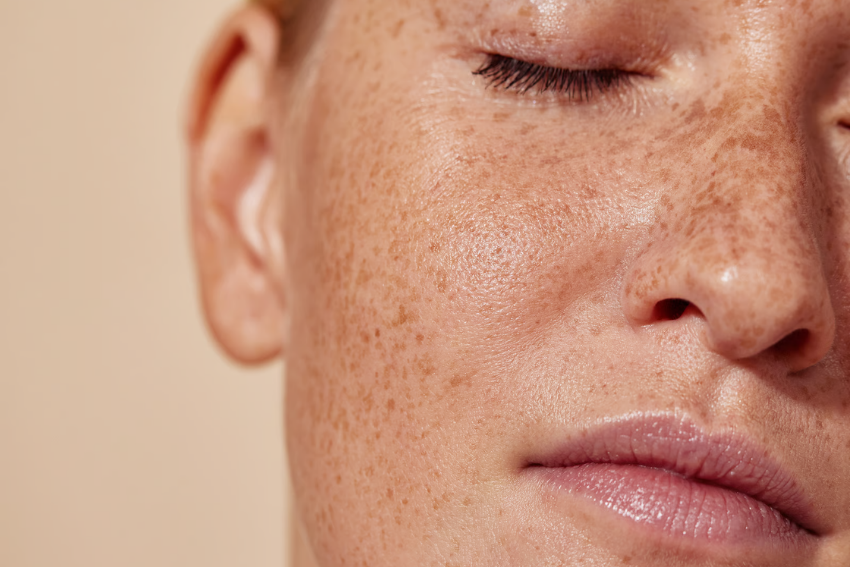
Know your spot type and skin tone
Before scheduling treatment, identify whether your pigmentation is superficial, such as freckles and sunspots, or deeper, such as certain congenital birthmarks and hormonal melasma. Different pigment depths require different laser wavelengths and session counts. Board certified dermatologists typically evaluate lesion depth and skin type before recommending a protocol.
Pre treatment precautions
Many dermatology clinics advise stopping topical retinoids, alpha hydroxy acids, and other strong exfoliants for one to two weeks before laser procedures, and to avoid prolonged sun exposure. If your skin is inflamed, breaking out, or has open wounds, wait until it recovers before proceeding. A medical assessment allows the treating clinician to choose the safest wavelength and energy settings to reduce risk.
Common short term reactions and what they mean
Two commonly discussed reactions are post inflammatory hyperpigmentation, sometimes called rebound darkening, and hypopigmentation, or loss of pigment. Post inflammatory hyperpigmentation usually reflects a transient protective response by melanocytes after heat injury. Hypopigmentation is rarer, and occurs when pigment producing cells are damaged beyond their capacity to recover. Choosing appropriate energy settings and an experienced operator significantly lowers the chances of either outcome, according to the American Academy of Dermatology.
How laser spot removal works
Lasers deliver concentrated light energy that is absorbed by melanin, breaking pigment into particles small enough for the body to remove. The process can also stimulate collagen remodeling, which may improve skin texture and reduce pore size while fading spots, dermatologists say.
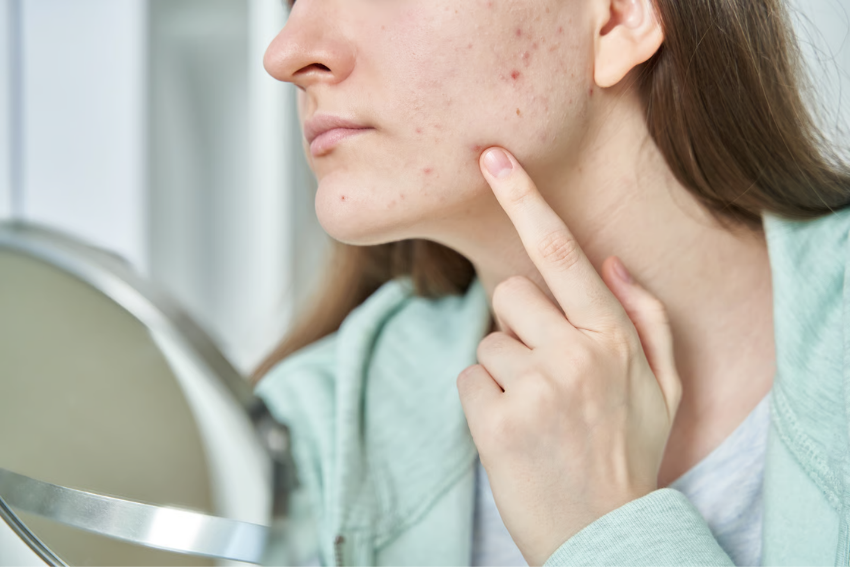
For pigmented acne marks, laser treatment can accelerate clearance by fragmenting residual pigment. Treatment depth, pulse duration, and energy all influence whether the laser targets only pigment or also heats surrounding tissue to trigger skin tightening.
Five common laser types for spot removal
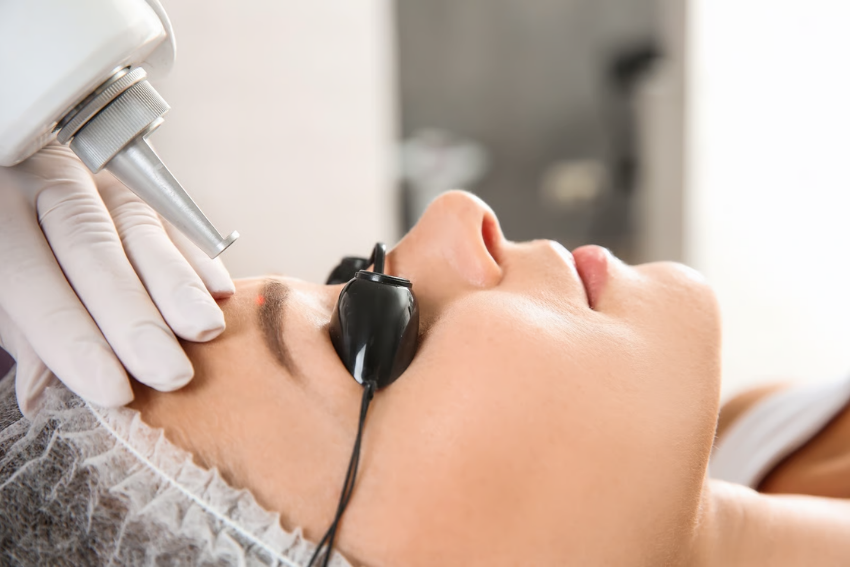
Q Switched laser: This traditional laser uses photothermal effects to fragment pigment and is effective on superficial spots. It is generally more affordable, but because it delivers more heat, post treatment scabbing and brief darkening are more common. Careful aftercare is important.
Pico laser: Pico lasers deliver ultra short pulses that create a photomechanical shock to disrupt pigment into dust like particles. Thermal injury is minimal, recovery time is short, and the treatment is widely used for freckles, sunspots, and uneven tone. Many patients also notice improved texture.
Focused pico laser: This builds on pico technology by using a microlens array to concentrate energy into micro focused zones in the dermis while sparing the epidermis, which can enhance collagen reorganization without breaking the surface.
CO2 laser: A fractional ablative device, CO2 laser is a more intensive option that can resurface skin, stimulate collagen, and address deep acne scarring and large pores. Recovery is longer than non ablative options, and post procedure downtime should be planned.
IPL, or intense pulsed light: IPL is not a single wavelength laser but a broad spectrum light source that can reduce superficial pigmentation and improve overall tone. The treatment is low in irritation and typically has little downtime, but multiple sessions are usually required to reach the same level of pigment clearance as targeted lasers.
Common questions and myths about laser spot removal
Myth 1: Does laser spot removal have side effects?
According to the American Academy of Dermatology, common short term reactions include mild redness, stinging that usually subsides within hours to a few days, temporary dryness and peeling, and small scabs in some patients. These are normal signs of skin repair for many laser procedures.
Myth 2: Will treatment cause darkening or whitening of the skin?
Post inflammatory hyperpigmentation is the more common outcome; treated areas can darken temporarily then fade over weeks to months. Hypopigmentation is less common and is usually the result of overly aggressive settings that damage melanocytes. Choosing an experienced clinician and appropriate energy levels is the best protection against lasting pigment loss.
Myth 3: How do you prevent darkening or whitening?
Strict sun protection after treatment is essential. The American Academy of Dermatology recommends broad spectrum sunscreen with SPF 50 or higher, and physical measures such as a wide brim hat and a UV umbrella when outdoors. Use gentle, hydrating products and avoid exfoliating acids and alcohol based skin care until the skin has fully recovered. Return to the clinic if you experience persistent darkening.
Myth 4: Who should not have laser spot removal?
Laser procedures are generally not recommended for pregnant or breastfeeding women, people with photosensitive conditions such as lupus, those taking photosensitizing medications, anyone with active facial inflammation or severe acne flares, recent sunburn, or patients with implanted electronic medical devices near the treatment area. A medical history and consultation helps identify contraindications.
Myth 5: How often should treatments be scheduled?
Most clinics suggest waiting three to four weeks between sessions to allow for metabolic clearance and tissue repair. Pico laser intervals can be slightly shorter, often two to four weeks. For deeper treatments, clinicians usually extend intervals to four to six weeks. Three to five sessions are commonly needed for meaningful fading, with results appearing gradually over two to four weeks after each session, dermatologists say.
Myth 6: Does laser spot removal hurt?
Modern lasers include cooling systems that significantly reduce discomfort. Many patients describe pico laser sensation as a light snap, similar to a rubber band, while older Q Switched devices may feel hotter and some people benefit from topical anesthetic cream. Most people tolerate the treatment well.
Aftercare for scabbing and recovery
Scabbing after pigment laser is a normal part of repair for some skin types; tiny scabs usually shed naturally within seven to ten days. Do not pick or forcibly remove scabs, because that can cause inflammation, scarring, and worsen post inflammatory hyperpigmentation.
Shift your focus to barrier repair during this period. Use gentle moisturizers that contain ceramides, hyaluronic acid, or centella asiatica, and avoid scrubs, exfoliating treatments, and any active ingredients that could irritate healing skin. Resume your regular skincare routine only after the scabs have fully detached and the skin looks stable.

If you are considering treatment, schedule a consultation with a board certified dermatologist or a licensed medical practitioner who specializes in lasers. Ask about expected session count, downtime, and complications, and confirm the clinic has experience treating your specific pigment type. Good pre treatment planning and aftercare greatly increase the odds of a successful outcome from laser spot removal.