


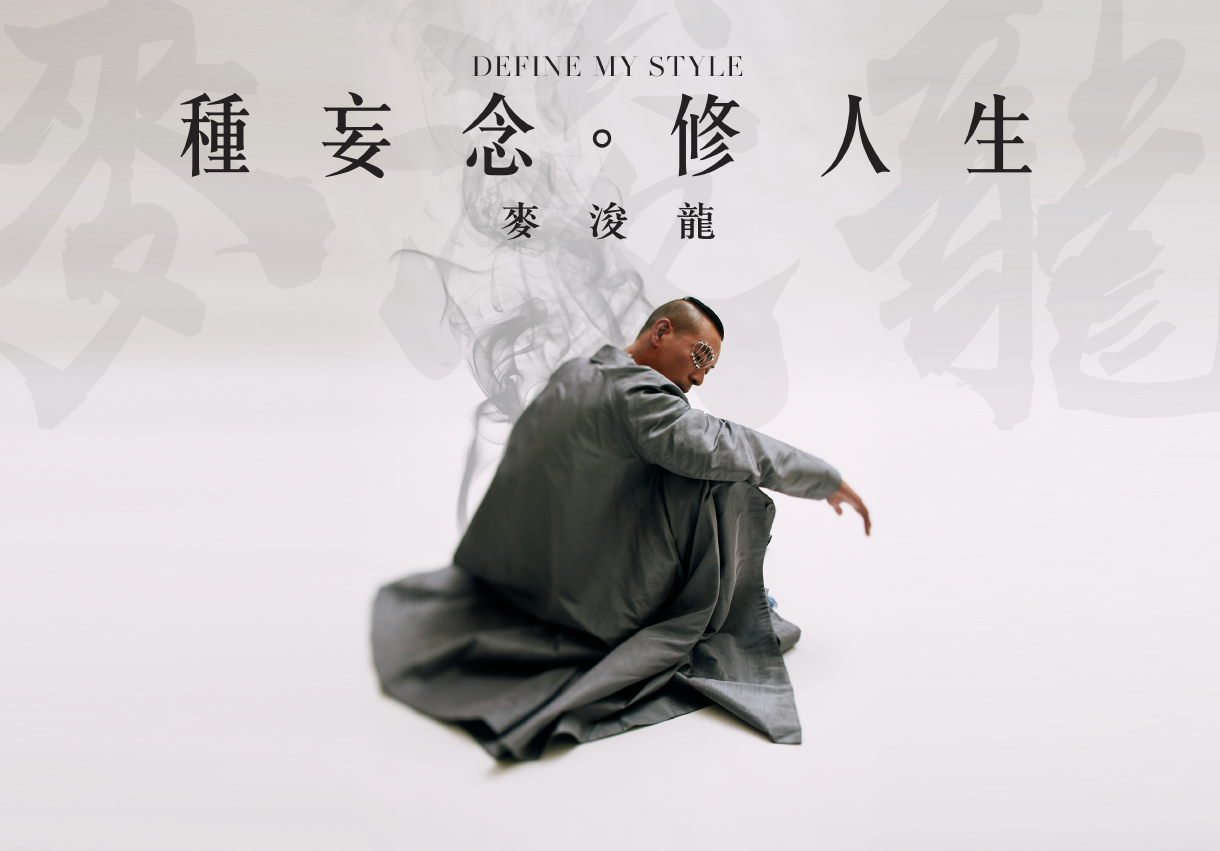
Juno Mak interview: The Hong Kong artist has completed a three-year multimedia music project with a Box Set that assembles three albums and theater-style memorabilia, marking the end of a long creative journey.
Seventeen when he debuted, Juno Mak (麥浚龍) arrived with a deliberately unfamiliar image and took the risk of provoking the crowd. He faced relentless jeers, yet kept going. What frightened him most was not the abuse, but discovering the absence of the passion he thought should exist.
He responded by working methodically, planning project after project. He spent six months writing a piece called 《殭屍》 and four years on 《風林火山》, and eventually conceived a final installment that takes listeners on a journey to Chernobyl through sound, projection, image, and text.
“This is my gift to creation, the music scene, and my fans”
Arriving at the final chapter, titled the album and the end of it, the release is offered as a Box Set. In addition to the three albums, Juno and his team produced collectible physical items, including a newspaper, opera tickets, train stubs, and production stills, so fans can feel as if they are at the finale and join in a very long goodbye.
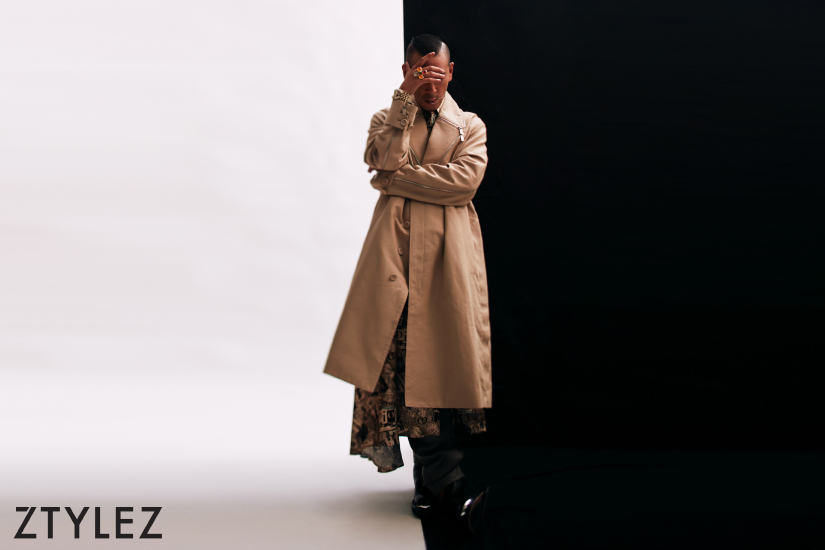
For Juno, those tangible items do more than mark chapters in the story. They express his creative conviction. He wanted the conclusion to be felt through multiple physical media, and he intended the set as a sincere gift of thanks to fans for their support.
He spent three years building the project across music, film, and text, and he said his ambitions grew larger as he worked. He did not only aim to outdo the standard concept album, he wanted to see if songs, copy, and visuals could each carry and reignite emotion for the audience.
“The process had me feeling my heart race and sweat,” he said. Because the work was so precarious, completing it felt like lifting a weight from his chest.
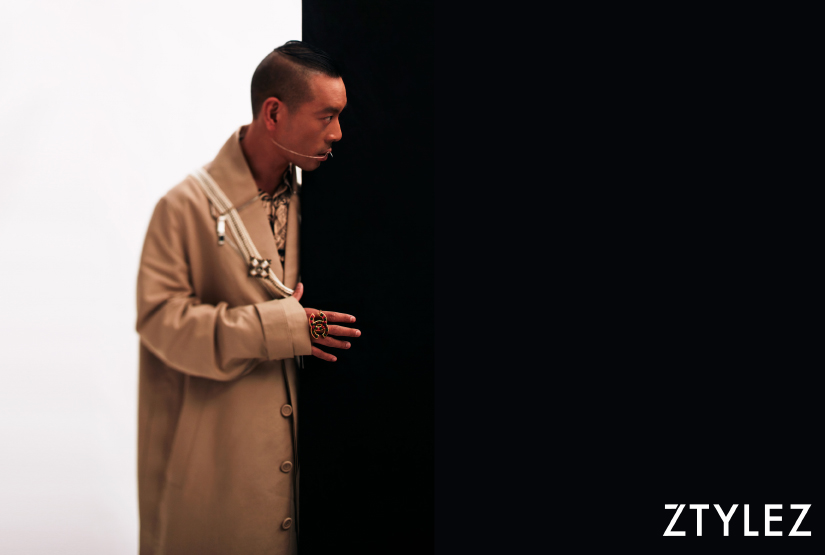
He said he pursues completeness in each creative step. “You can be satisfied today, but if you reread tomorrow and feel dissatisfied, you must wipe it away without mercy,” he said. He added that compromise in image, hair, or wardrobe is not acceptable, and that personal behavior and thinking require the same standard.
Process and discipline behind the work
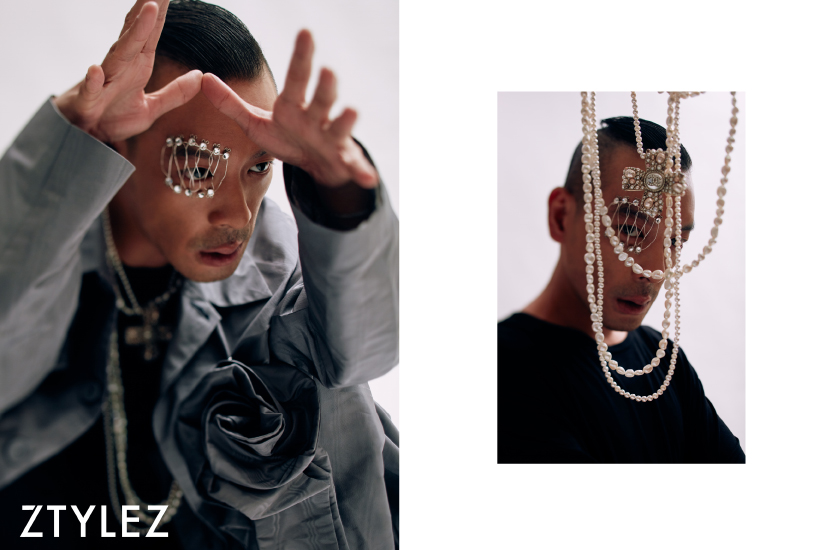
Outsiders may have called him mad, but Juno said a certain degree of obsession is necessary in creation. “You must be harsh with yourself in the creative process,” he said, noting that exacting standards are the only way to approach an ideal of perfection.
That single-mindedness has produced memorable chapters in his career, including daring image choices and controversial performances that he now regards as opportunities for rebirth. He called those years “suffering that became an honor,” and said he remains grateful for them.
“Knowing when to do the right thing matters, in art and in life”
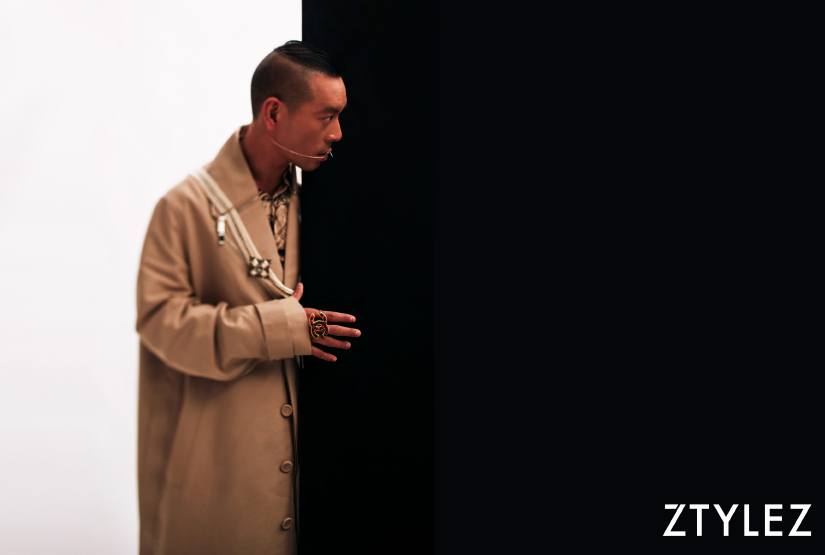
Juno said his creative world mixes fantasy and cinema. Love stories can begin in a night of nuclear imagery, and lyrics can unfold like film. That imaginative logic carries risk, but he sees it as the product of fearless commitment.
He told the interviewer he once started from a deficit, feeling his confidence and media faith had been broken. The trials of his career have formed the person he is today. After a period of struggle, he staged a radical comeback that he regards as a milestone worth thanking fate for.
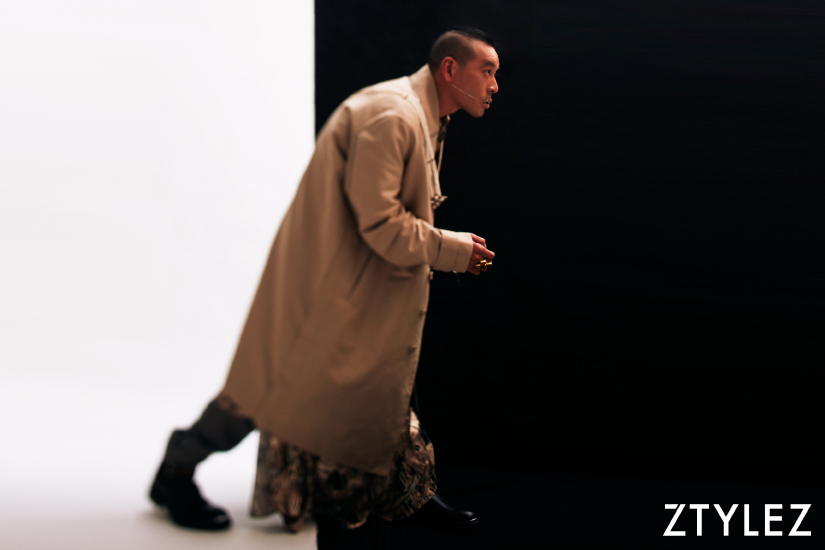
He recalled a year after his debut when he did not look in a mirror. He kept a hat on, traveled only between his studio and home, and found himself frightened by his own long hair when he finally glanced in a mirror again. That isolation cleared his mind and allowed him to focus intensely on music, which he said offered him a chance at renewal and made him steadier.
“You should know yourself better than anyone,” he said. After closing himself off, he realized the passion for the creative industry had always been inside him, and he began to proactively create the music and films he wanted, instead of waiting for songs to be assigned to him.
Solitude, cats, and the creative life
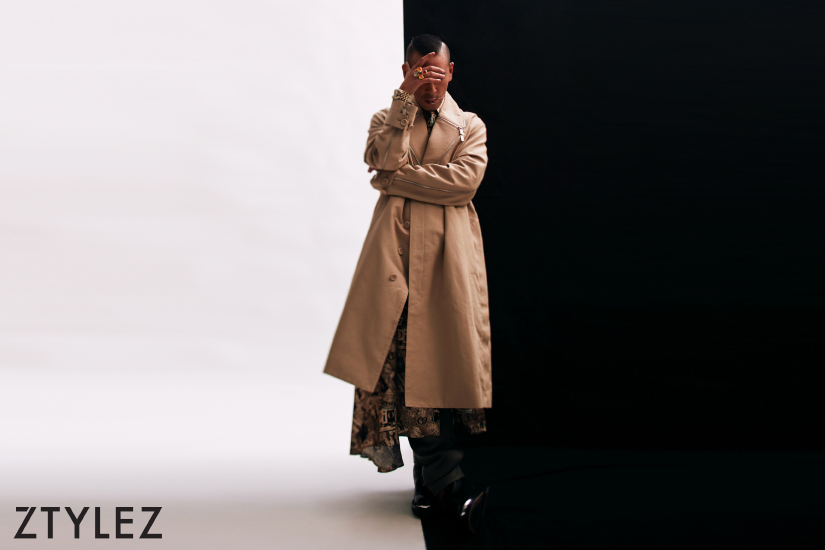
Juno said he is not a social, group-oriented person. He loves solitude, and he loves cats. Living with four cats takes up much of his time outside work, and he calls them his muses. He copies their postures and movements in photo shoots, which has shaped his peculiar visual style.
Although reserved and laconic, he is often labeled “dark” because he favors black and monochrome styling on social media. He pushed back on that label, saying, “I like black, but that does not make me dark.” He explained that craft requires a black-and-white approach, practiced repeatedly, and that such discipline allows a range of colors to be carried by the work.

He said he is drawn to melancholy not to pity himself, but because that emotional state invites reflection. “When you are in that state you talk to yourself more, you reflect more,” he said. He described it as a state that is neither tragic meltdown nor ecstatic joy, but one that carries a sense of loss he finds productive.
How creation taught him to cherish what matters
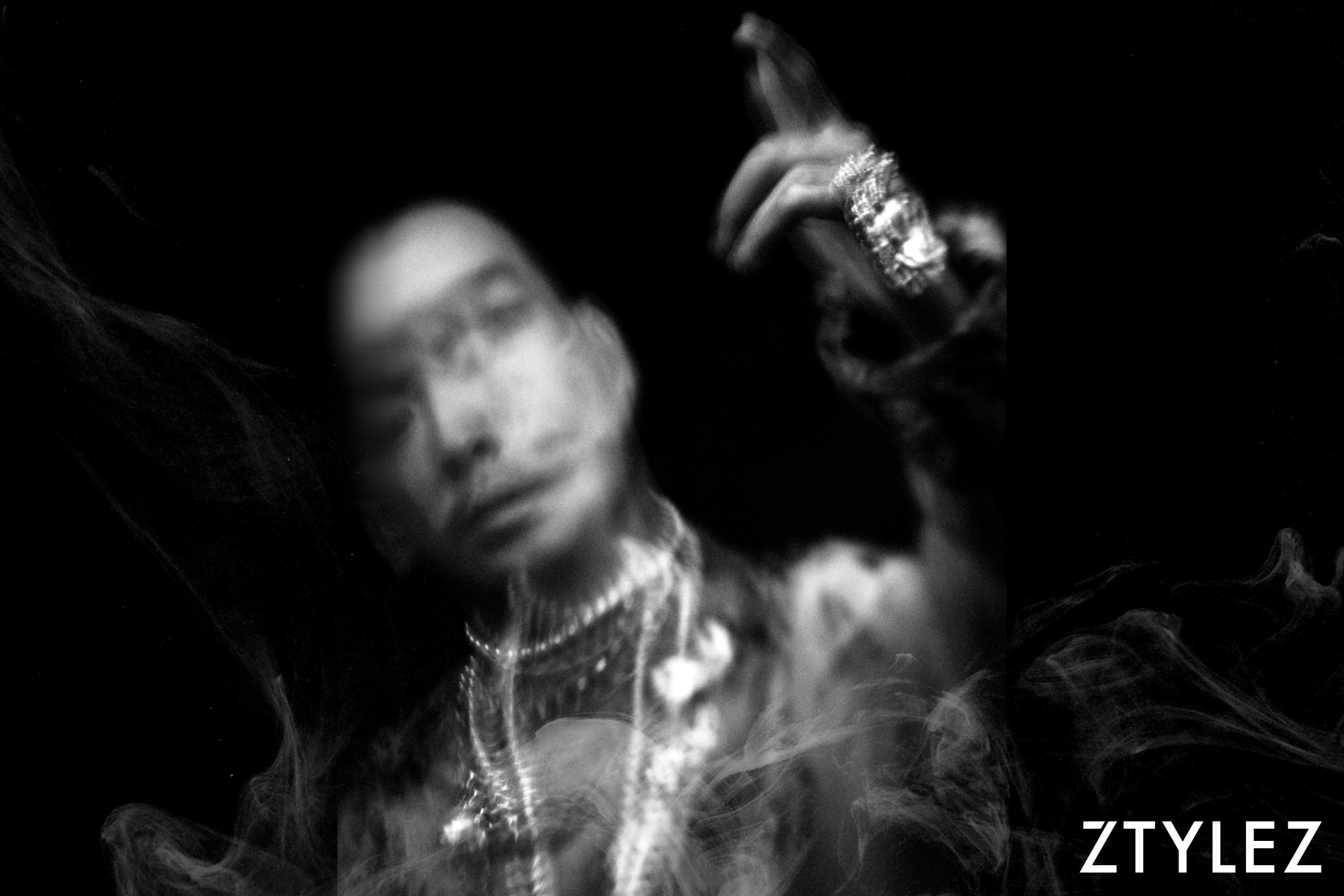
He said creation has taught him to value the ordinary. His favorite activities are simple: making tea, grinding coffee beans, washing dishes, patching walls, and doing nothing at all. Those routines, he said, are forms of practice for life.
He believes single-person moments reveal the truest strength. When a person is alone, they cannot hide behind a social mask. “One-on-one time is the most precious,” he said.
He urged readers to focus on the present. Ordinary household tasks are also practice. “Not only me, you and I can be masters of our lives by attending to the present,” he said.
Postscript: an afterword from Juno Mak
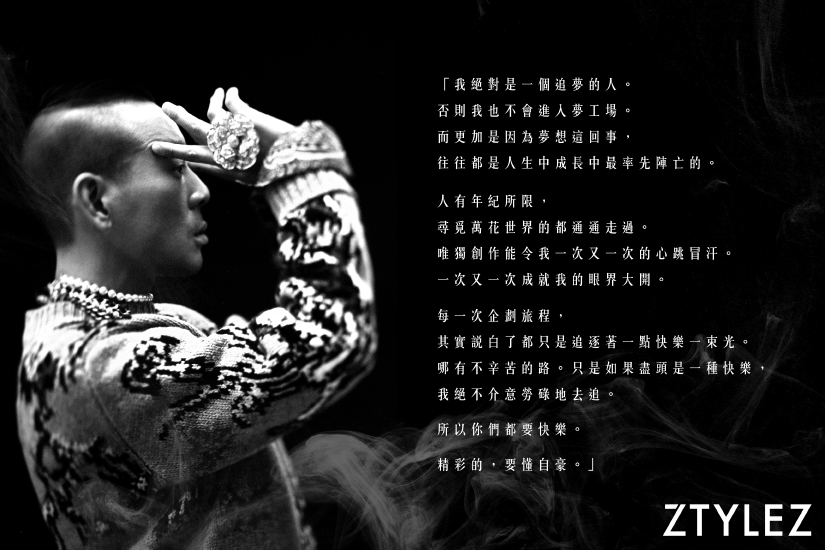
“I am absolutely a dream chaser. Otherwise I would not have entered the dream factory. Dreams are often the first casualties of growing up. Time is limited, and everyone who searches through the garden of the world will pass by. Creation keeps making my heart race and sweat, and it keeps opening my perspective.
Every project journey is, frankly, a pursuit of a little happiness, a shaft of light. There is no easy path, but if the end is a kind of joy, I do not mind the toil. So you all must be happy. If something is wonderful, learn to be proud.”
—
Producer: Vicky Wai
Photography: Simon C.
Videography: @wootwootvisual
Styling: Vicky Wai
Makeup: Janice Tao
Video Editor: @wootwootvisual
Editor: Carson Lin
Design: Tanna Cheng
Assistant: Mandy Kan
Wardrobe: Dior, CHANEL