


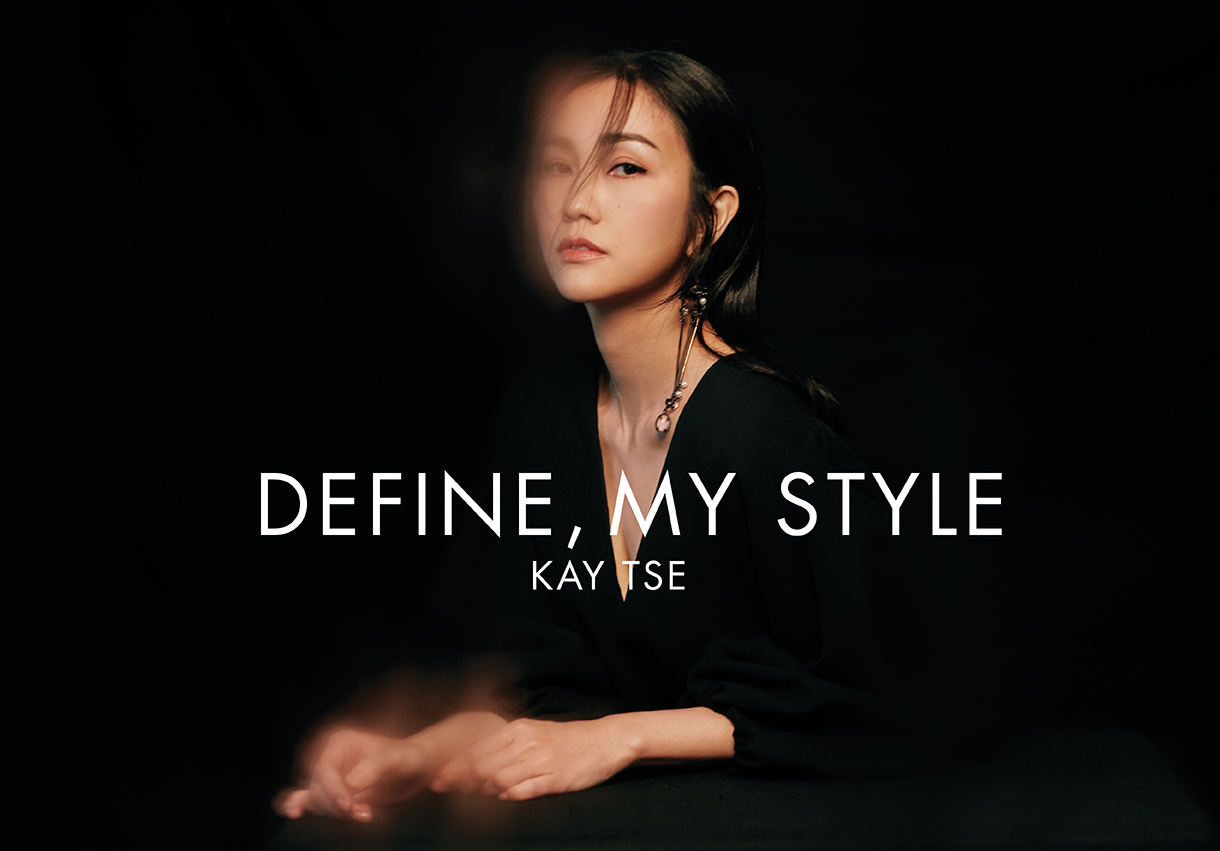
Kay Tse interview: The Hong Kong singer spent three years building the fictional character Pou Ming Sam (浦銘心), a project she says has changed how she sings and how she presents herself.
Reading a life should be a long process, Kay Tse told the writer, a journey like setting a sail on the open sea where sudden waves force you to struggle, and calm follows the storm. After that calm, the next sunset can look more beautiful than you imagined, and you feel lucky to have made it through.
Pou Ming Sam has lived a life of pain, separation, and return. Kay said the character let audiences feel raw emotions from a fictional woman, to the point that viewers might forget Kay Tse the person has a different, happier life.
Kay Tse interview: “We are like two worlds, one black, one white”
Is Kay Tse Pou Ming Sam, or is Pou Ming Sam Kay Tse? The question looks simple, but Kay said it opened a wide space for reflection about identity, performance, and the stories artists tell.
“I like the way she gives off a kind of alluring charm,” Kay said. Image and visual expression are elements she cares about deeply, and those elements helped her recognize that the character and she project different temperaments on camera. “In real life I am brisk, tough, and sometimes funny, but Pou Ming Sam is not like that.”
Kay described the relationship between the character and herself as a contrast between black and white, not in a strict aesthetic sense but as life colors. She called Pou Ming Sam’s world gray, and the more time Kay spent with the character, the more she found a quietness in that gray that she craved in daily life, even if it was as small as a woman alone in a bathroom or standing on a balcony at night.

“She is actually an island”
Kay said Pou Ming Sam loves fiercely, and by the time she is near 30 everyday life has weighed her down. But the pain runs deeper.
Looking back over the years Kay called the character an island, a person who can face everything alone. “She can go to the hospital and give birth on her own, she can face divorce alone. For many of life’s major moments she handles it herself, and she is not weak.”
Kay said the character’s determination can look like a gift, but it also becomes the source of her wounds. “Her stubborn independence can be freedom, but it also makes her cling, and that cling causes pain. Her longing for her ex husband and the broken marriage, her strength is also the thing that hurts her.”
A wider story behind a single woman
Kay said she rarely sings from such an introspective point of view, particularly about intimate relationships, but Pou Ming Sam forced her to live through emotions she had not expected to experience. “Maybe I know her too well, so when things happen I understand her, and the emotions feel like my own.”
Producer Juno and his creative team turned the project into a living story, and that narrative thread increased the appeal of the songs, the music videos, and the written material. Kay said some concert moments were drawn from the character, and the idea was not just about performance but about reading and understanding a life.
If Pou Ming Sam is a story, Kay said, then Kay Tse’s life is a journey, a lifelong practice of watching the sunset. Whether you are free on an open plain or trapped inside a concrete tower, taking a moment to stop and watch the sun is always beautiful. “When you reach the last moment of your life and look up, you will see it was worth the ticket price,” she said.
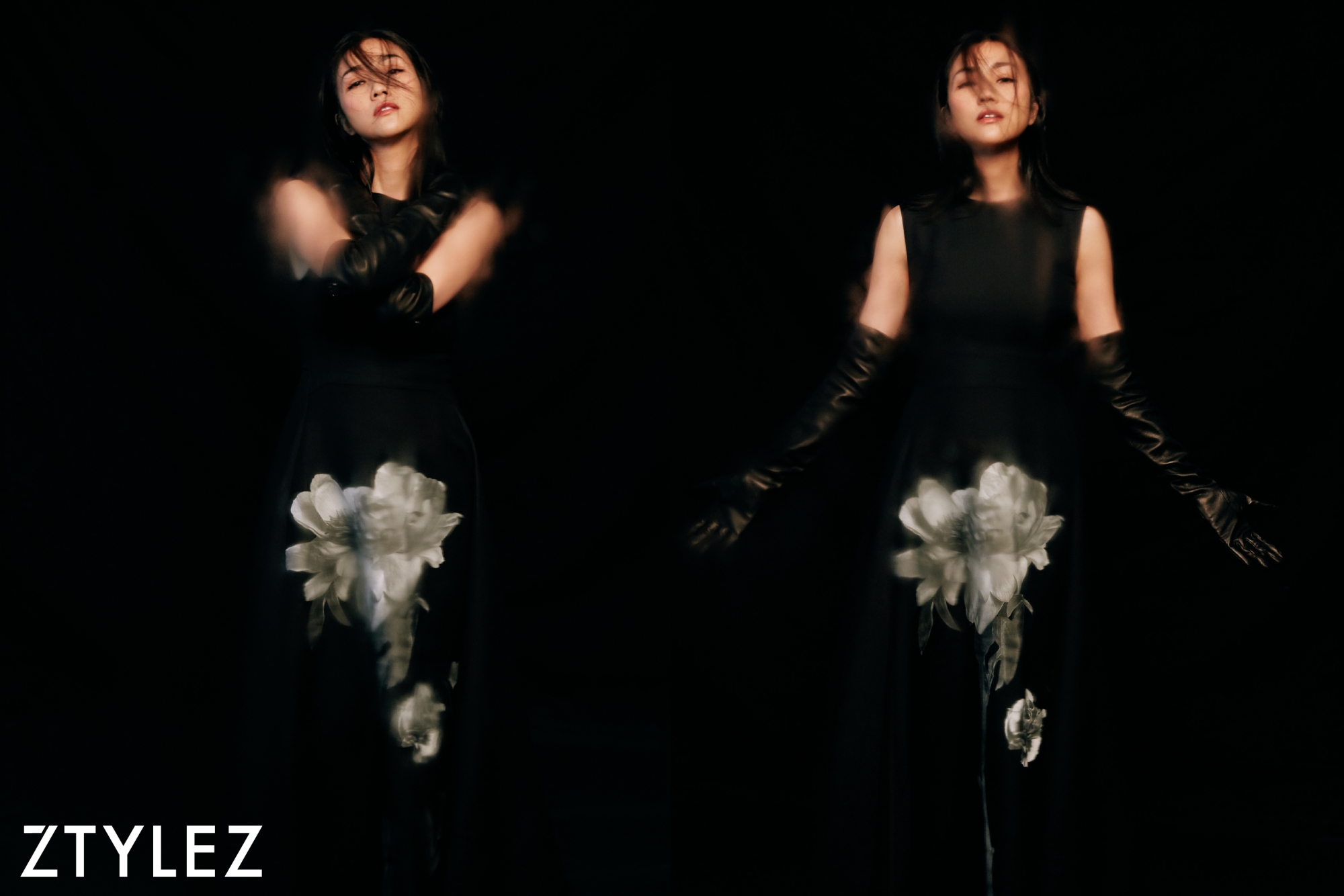
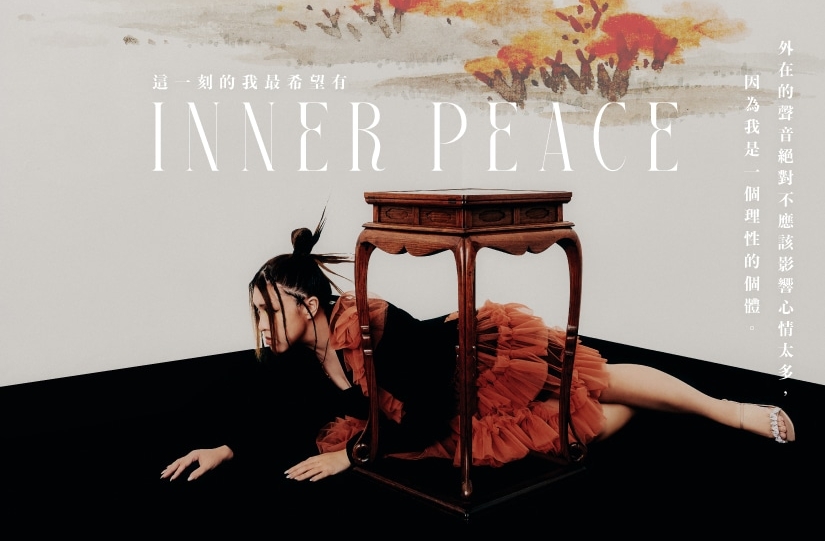
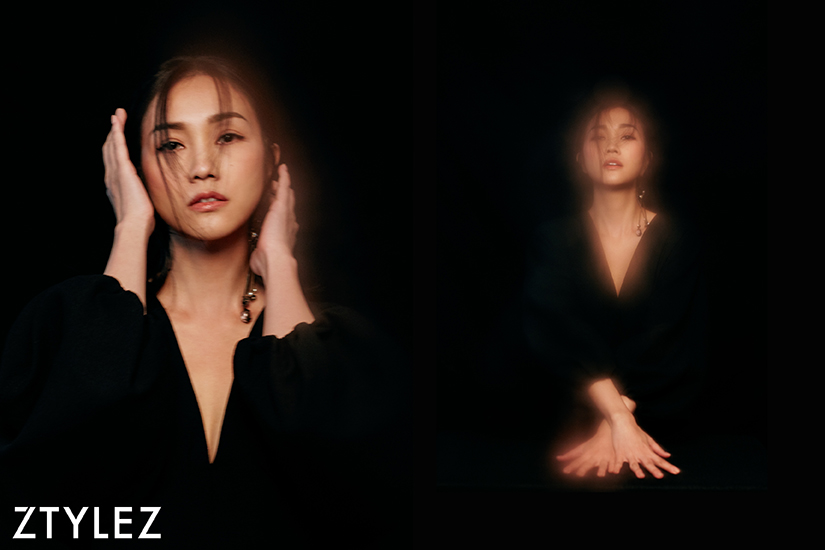
Formerly Kay performed in colorful costumes and left a sweet image on stage. Now she is more composed. Her wardrobe is more relaxed and her gestures carry more personality. The emotional expression on stage gained new tension after inhabiting the character.
Kay said the character opened up unexpected possibilities: cigarettes, fighting, and stronger language appeared in scenes people never imagined for her. The role gave her a chance to try abrupt and interesting points of view, and audiences slowly accepted that change.
At last year’s Kay…isn’t me concert Kay directed parts of the show, using the character as a starting point to shape song order, fabrics, and makeup. She said the project kept the same core team from start to finish, and the patience, imagination, and dedication from that team were unprecedented. Kay offered explicit thanks to Juno and the crew for their collaboration.
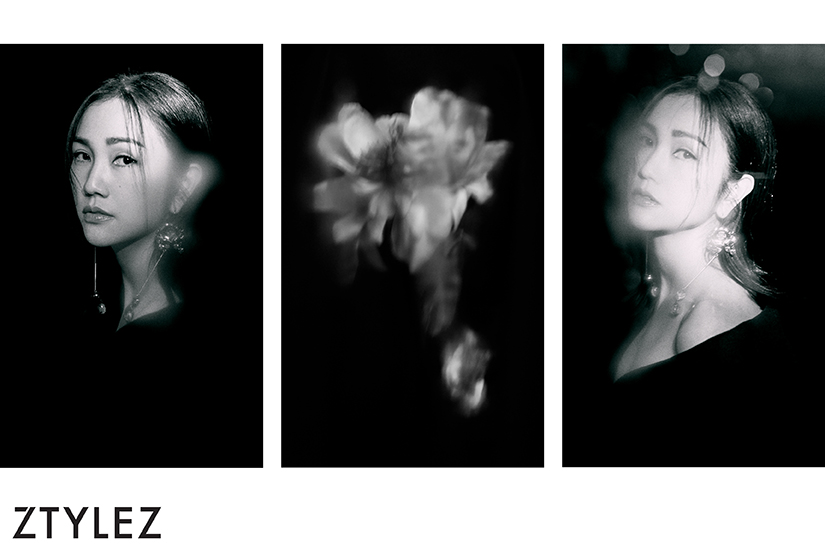
“This role pushed me through a lot”
Kay recalled a scene in which the character explodes after a divorce. She and Juno had to physically push each other to capture the raw emotion, and the night’s filming left her unable to calm down. “I cried and could not stop,” she said. “The hurt felt real and the memory of that shoot stayed with me.”
Before working with Juno on this project Kay had already won major awards for songwriting and singing. But she said she had never approached a song through a character’s emotional viewpoint, from rhythm to breath and each syllable, to convey whether the character is hopeful or hollowed out by pain.
After adopting Pou Ming Sam’s perspective Kay said she stopped prioritizing technical polish and instead focused on whether each performance advanced the story. When she finally performed the role on stage she felt the deepest reward of the three year process. “I am really happy. On stage I can sing freely,” she said.
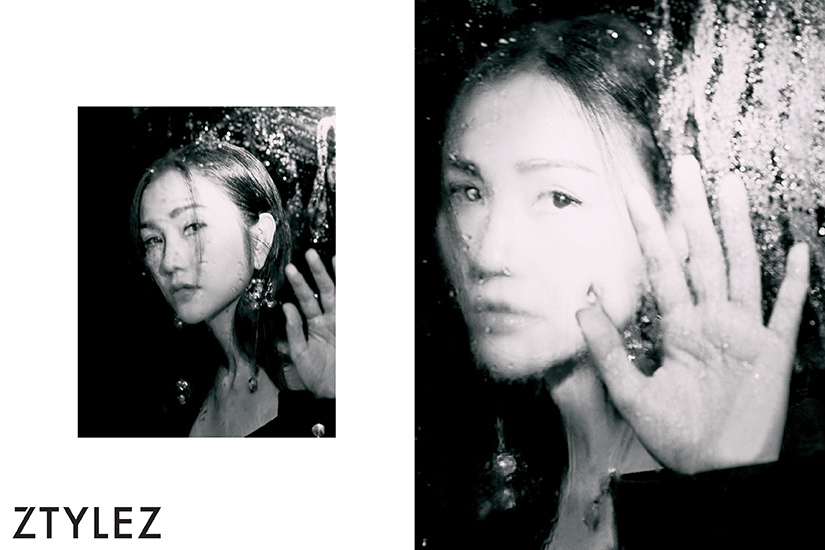
Thank you, Pou Ming Sam
“Right now I am very keen on reading myself,” Kay said slowly. “This kiss today is not only about this life, it feels like many lifetimes of connections, but that is no longer the important part. What matters now is the people who are in front of me.”
The new song San Sang Yi Gum translates as “Three Lifetimes One Kiss” and traces Pou Ming Sam’s love life into her 50s. The project will conclude at the end of this year, but Kay said she will continue to explore deeper creative work.
After three years Kay, soon to pursue more independent projects, said she wants to lead with sharing as her creative principle. Earlier work such as 773312 already pointed in that direction, and living Pou Ming Sam’s life convinced her she is ready to share Kay Tse’s life more openly.
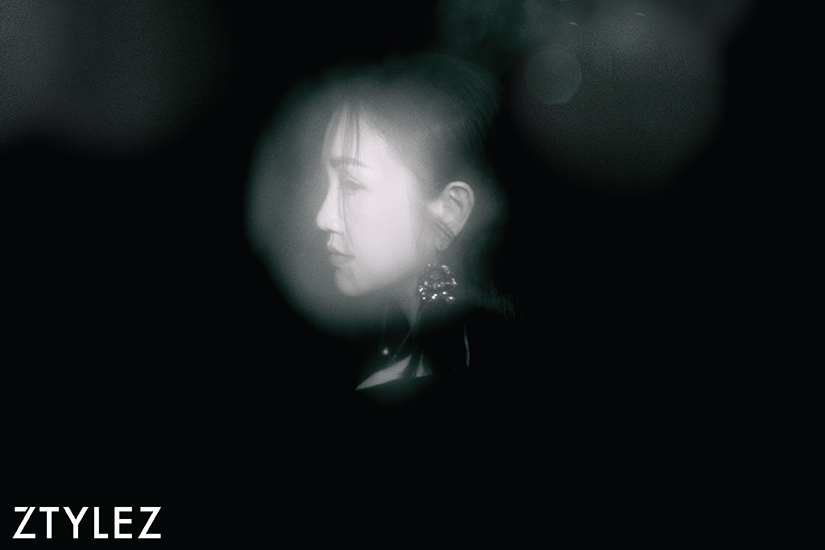
“I like the Kay Tse I am now,” she said. Kay described a period of learning to observe herself, to treat herself kindly, and to accept the slow work of personal practice. She calls these efforts part of her life curriculum, and they are the things she most wants to share.
“Reading your life should be a long process,” she said. After Pou Ming Sam, Kay Tse will continue reading Kay Tse, and she hopes listeners will follow the next developments with interest.
Producer: Vicky Wai
Photographer: Simon C.
Videographer: Kero
Styling: Vicky Wai
Make Up: Kris Wong
Hair: Sing Tam @pi4.hk
Lighting: Chris
Video Editor: Jerman So
Editor: Carson Lin
Designer: Tanna Cheng
Wardrobe: Valentino