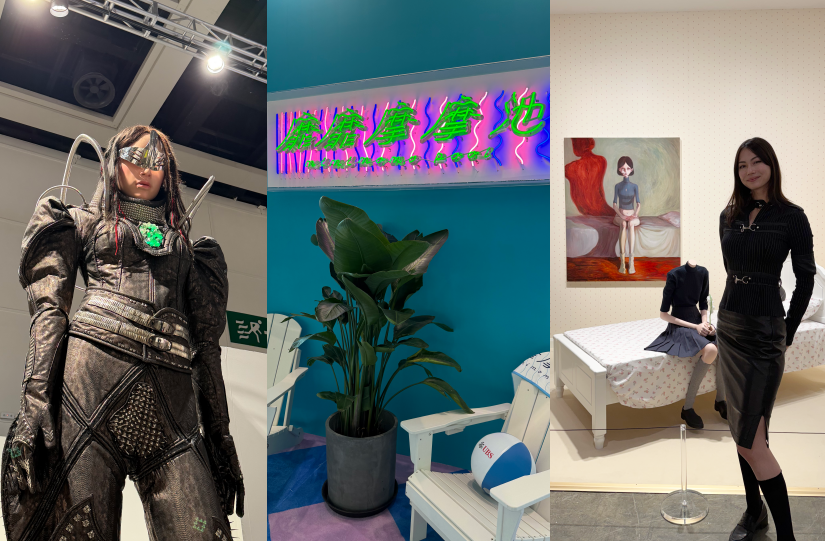



Tokyo museum opening at Takanawa Gateway City introduces MoN Takanawa: The Museum of Narratives, a new cultural venue that links exhibitions, performance, music, and dining to create a lived, narrative-driven museum experience.
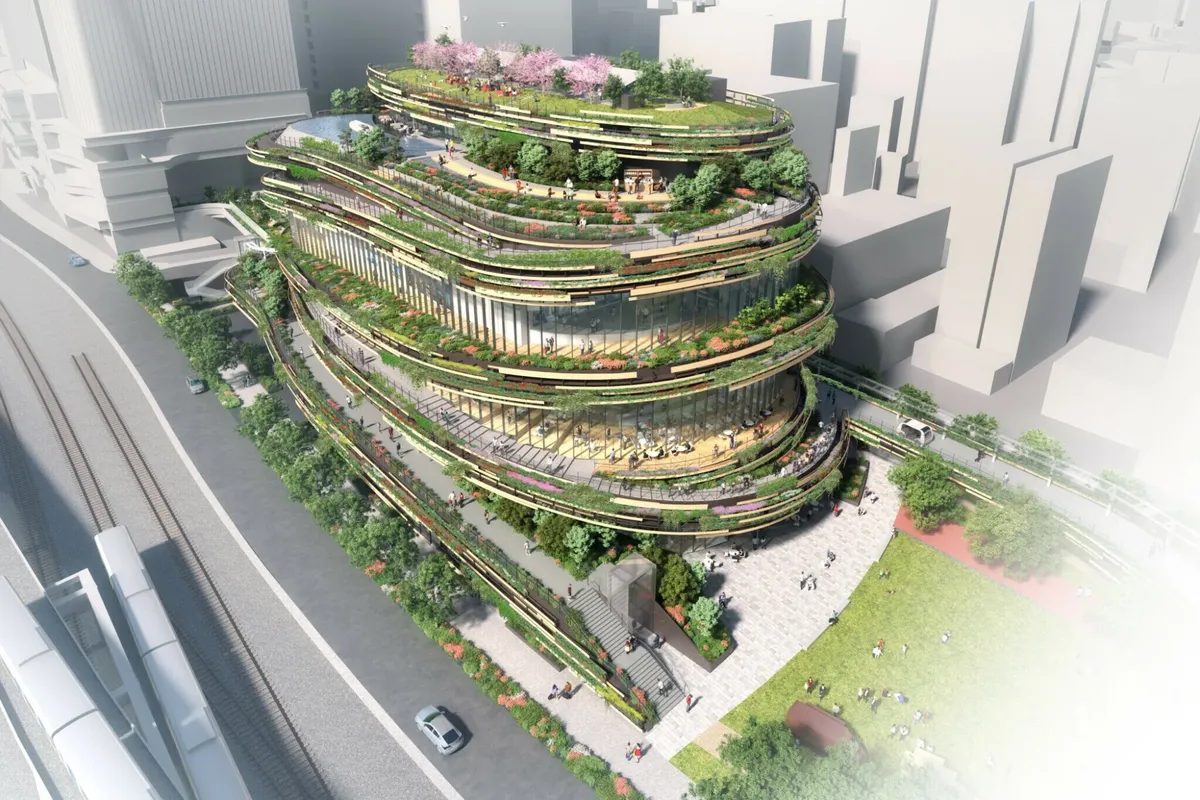
At this Tokyo museum opening, the institution uses the idea of narrative to guide visitors, not to present fixed answers but to invite personal interpretation. The space is intended to make culture flow, so visiting becomes a process of walking, pausing, and discovering at one27s own pace.
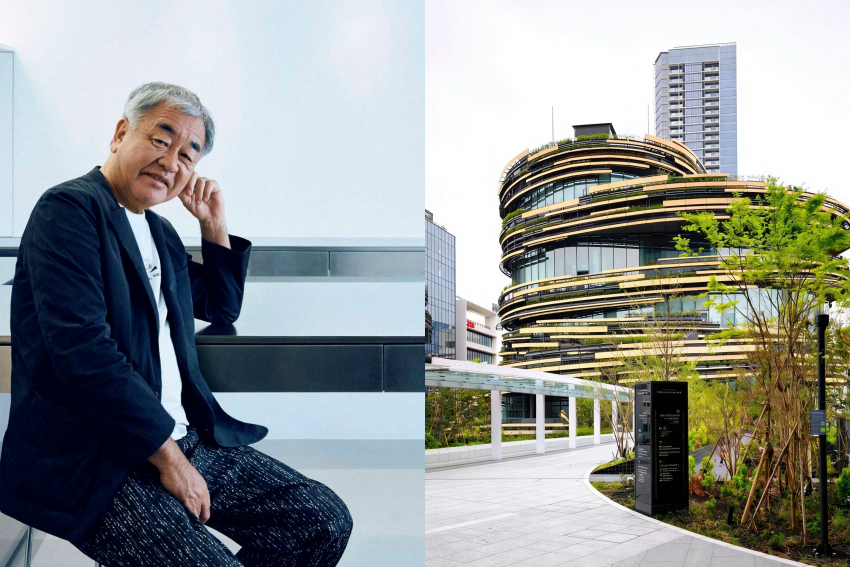
The museum sits within Takanawa Gateway City, the redevelopment around Shinagawa station, and its name reflects a double meaning in Japanese: gate and question, signifying an entrance to culture and a prompt for reflection. Rather than a conventional gallery, the venue frames cultural activity as part of everyday life.
Design and architecture
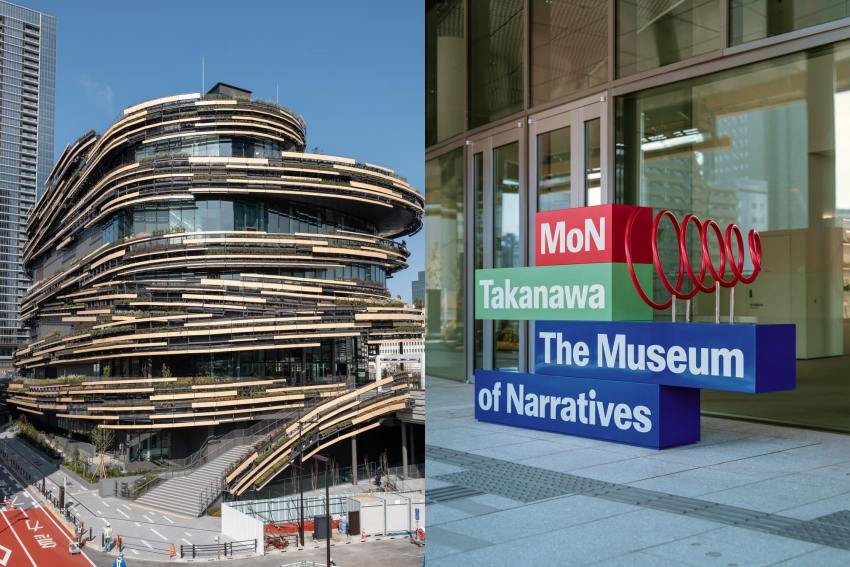
The building was designed by Kengo Kuma and Associates, and it unfolds as a rising spiral that links floors and rooms. Through the use of wood and layered planting, the architecture blurs lines between interior and exterior so that light, air, and views move naturally with the circulation.
The design responds to the historical context of the Takanawa area, embedding city memory into the building. As visitors move upward, changing perspectives, light, and materials create subtle shifts in pace and continuity.
Brand and visual identity
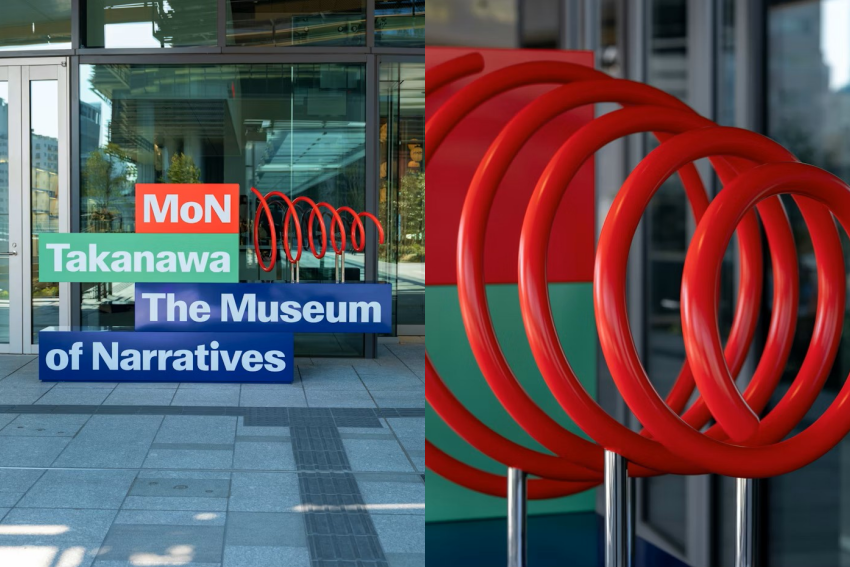
The museum27s identity was created by Pentagram, the international design firm known for concise, highly readable marks. The logo uses flowing lines to combine the letters M, O, and N into a directional form that echoes the building27s spiral geometry.
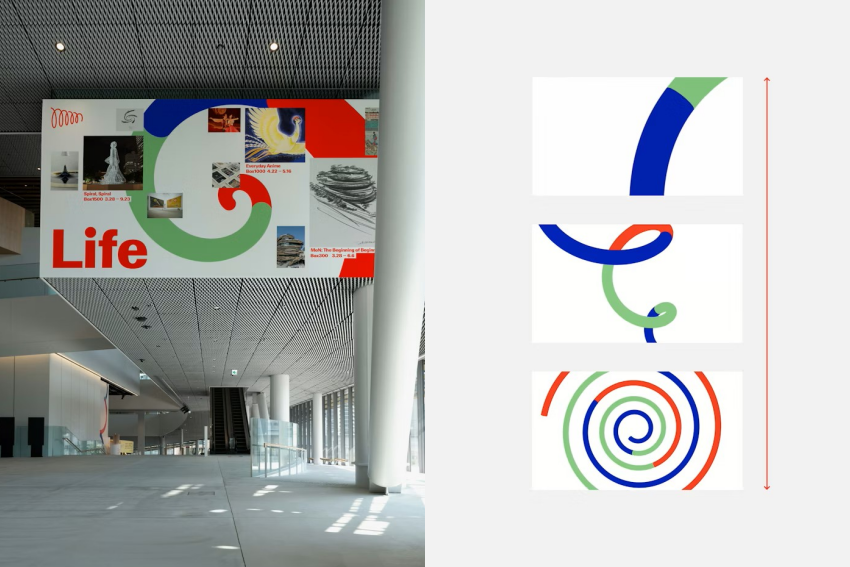
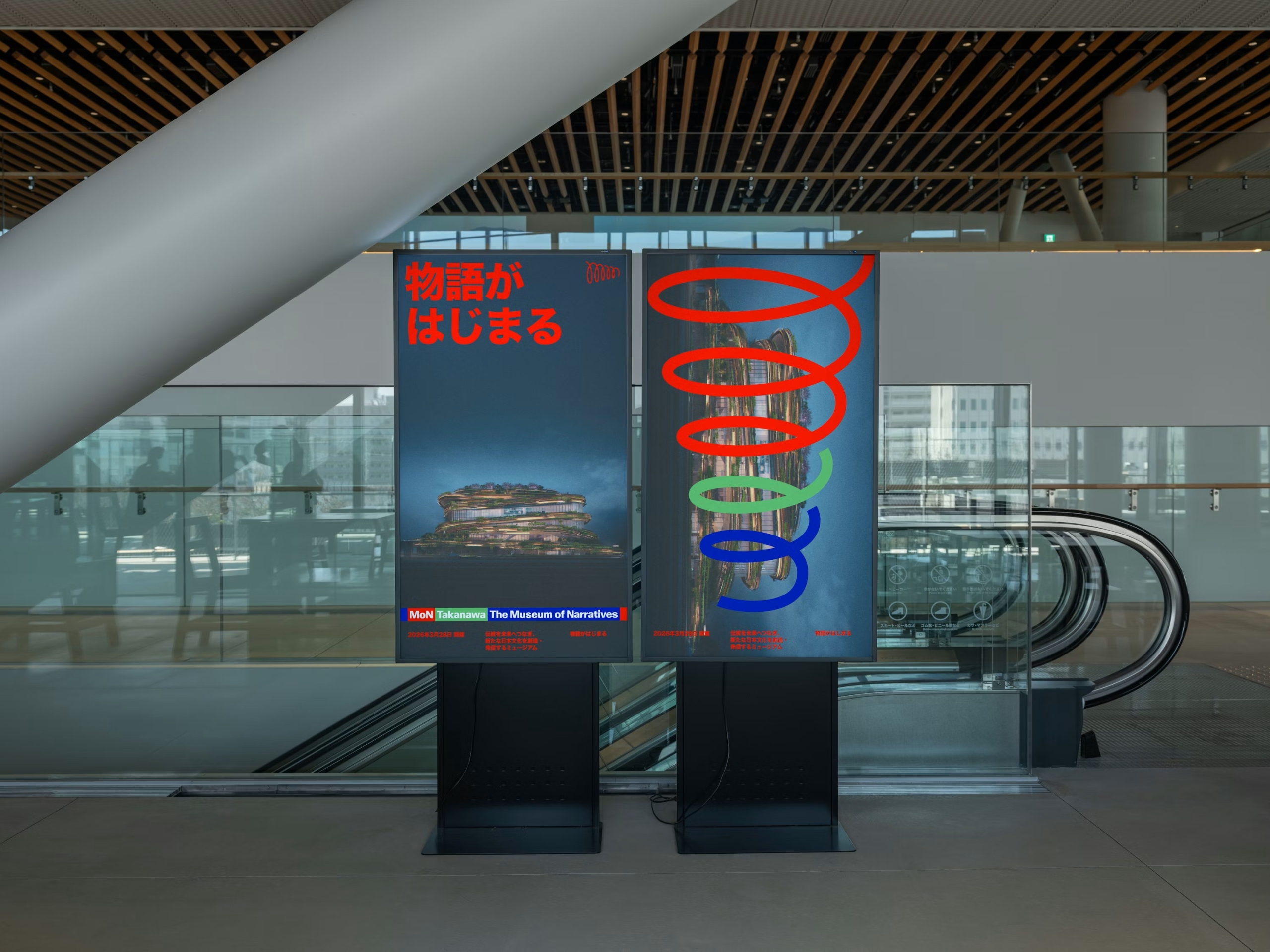
The visual system avoids ornament, relying on line and negative space to set rhythm. The primary palette of red, green, and blue references sun, earth, and sea, reinforcing a link between the identity and natural elements across the site.
Event spaces and visitor facilities
The institution contains multiple event spaces sized for different formats. The underground Box1000 holds about 1,200 people and features immersive sound and stage systems for large performances. The Box1500 gallery measures about 1,500 square meters, roughly 16,150 sq ft, and can accommodate large installations and video works.
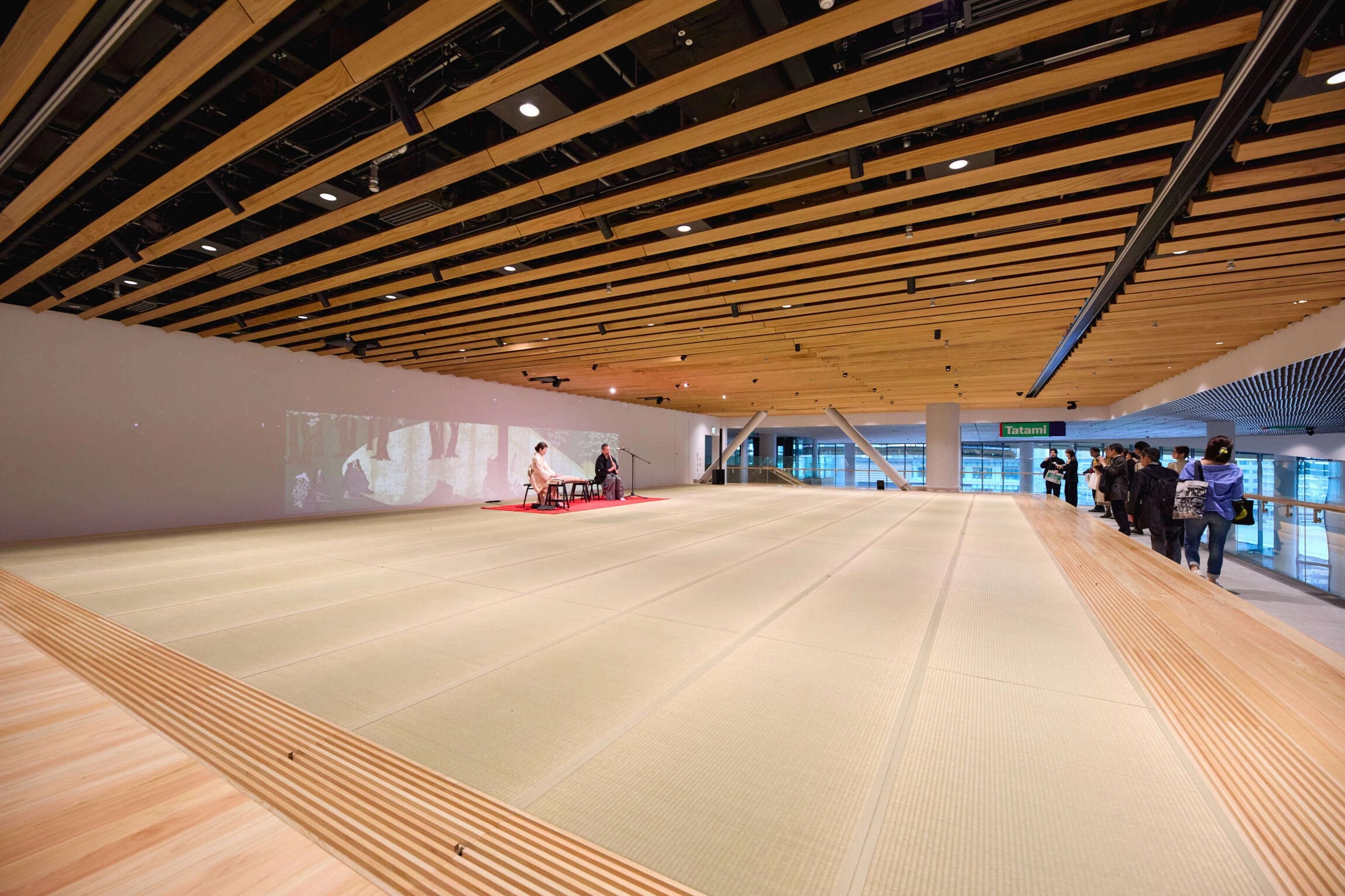
Other areas include Box300 for screenings or music events, and a fourth-floor tatami room of about 200 square meters, approximately 2,150 sq ft, designed for slower, reflective programming. The museum also offers a library area, terraces, and a footbath so that time spent on site becomes part of the cultural experience.
Opening season programming
The first season is themed “Life as Culture,” which reexamines culture through daily experience. The centerpiece exhibition, “Guruguru Exhibition: The Ever-Evolving Human Story,” explores rotation and cycles from cosmic to bodily patterns, connecting nature and culture.
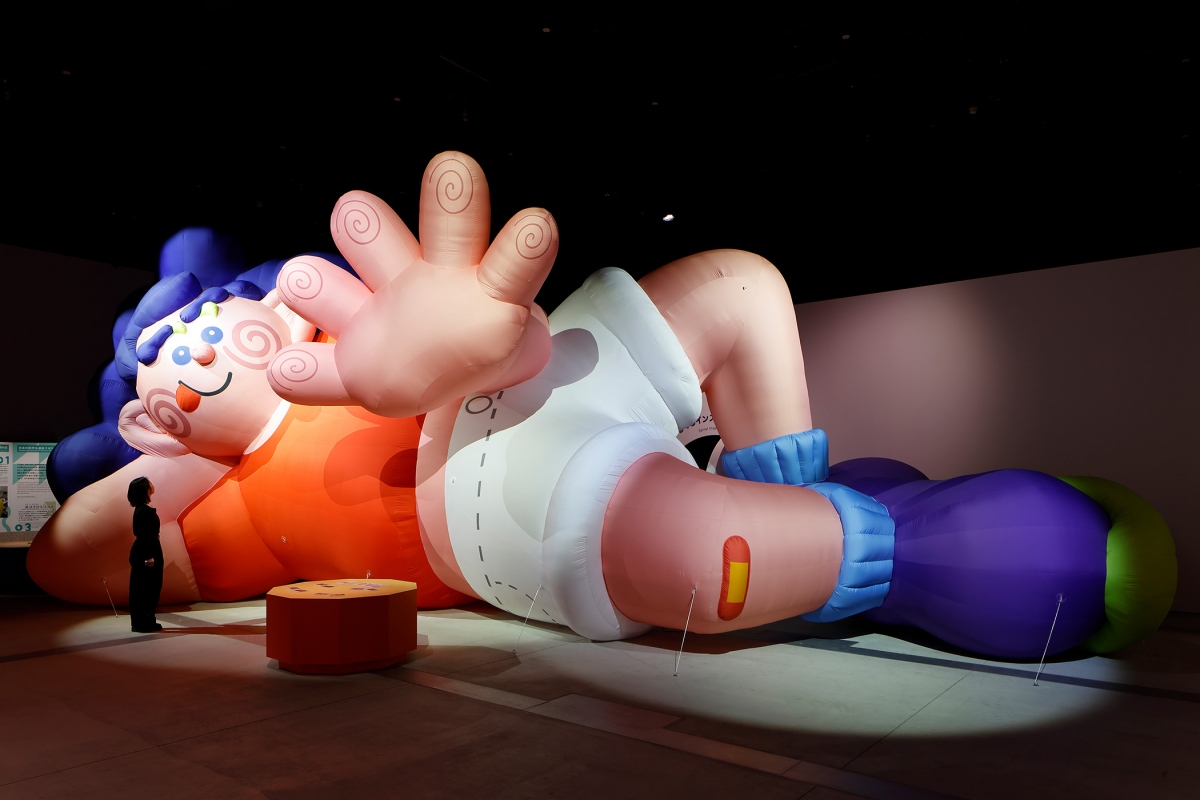
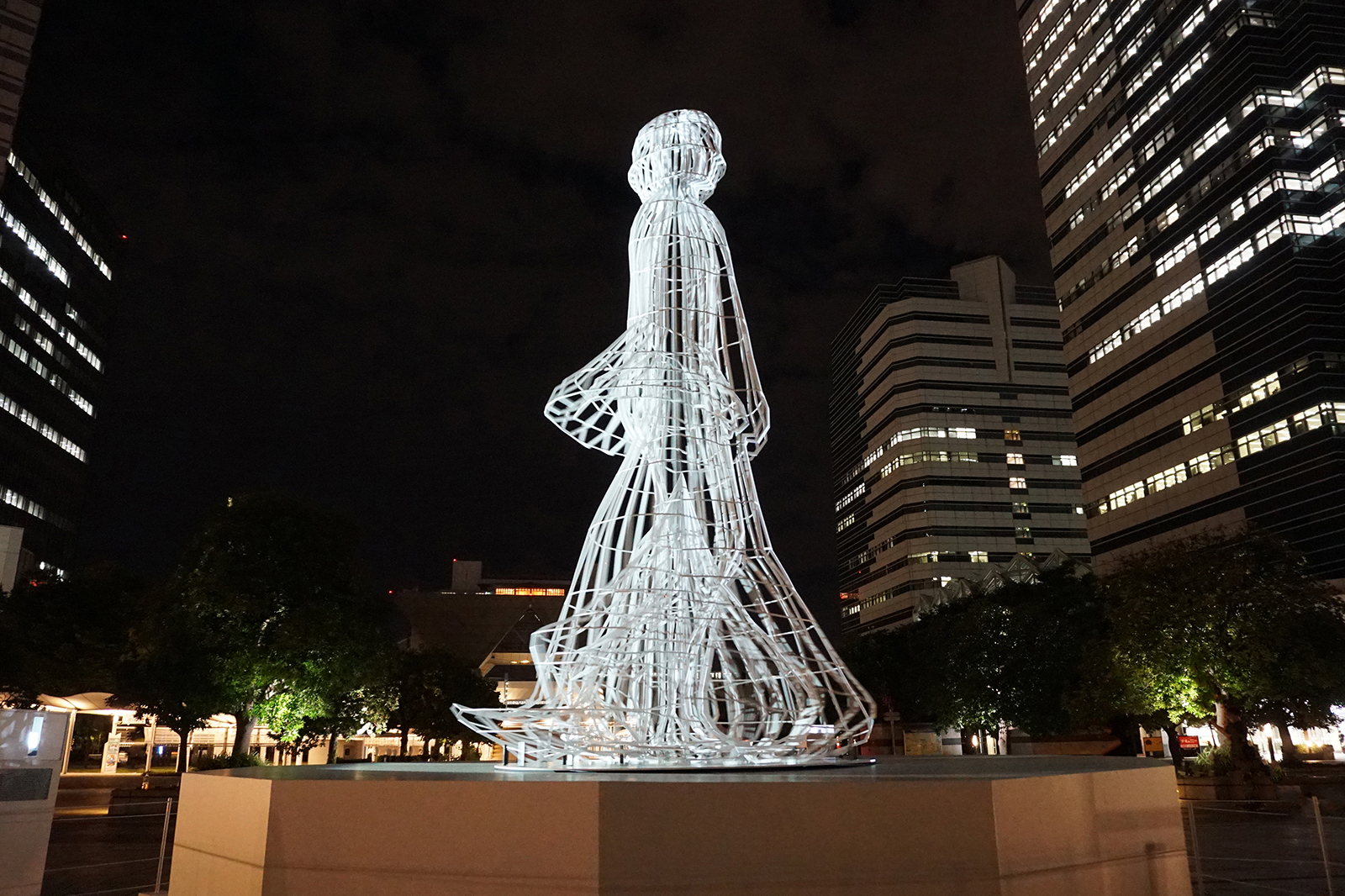
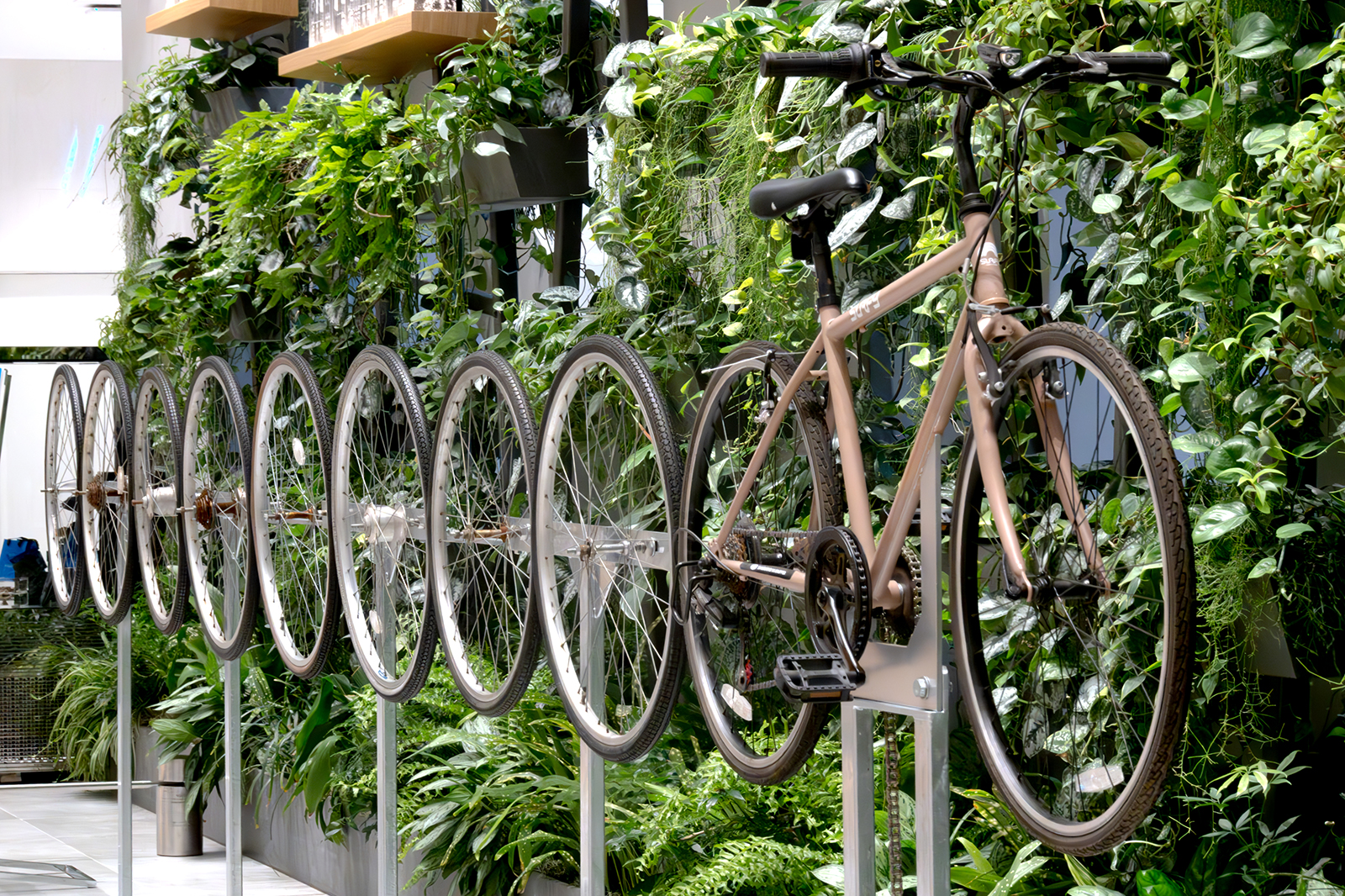
The season includes nine major programs that weave exhibition, performance, and cross-disciplinary projects. By deploying multiple media at once, the Tokyo museum opening aims to extend everyday experience into broader cultural imagination, encouraging more open modes of viewing.
MANGALOGUE and theatrical projects
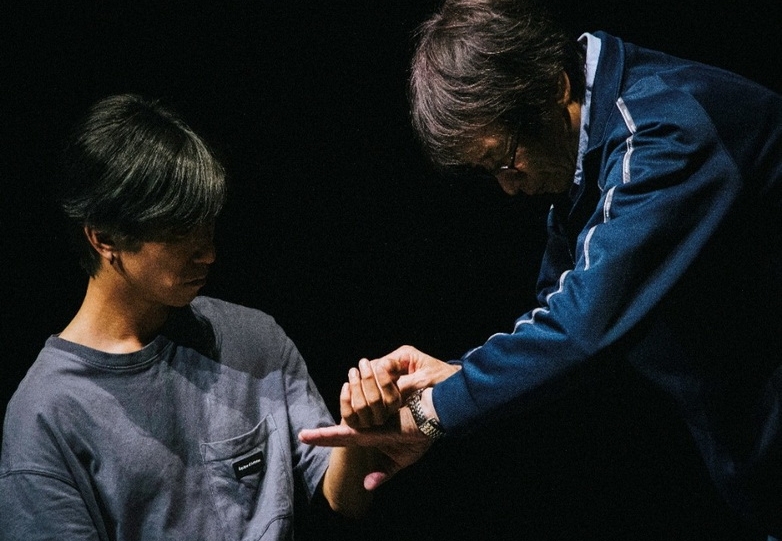
MANGALOGUE: Phoenix reimagines Osamu Tezuka27s classic manga by turning the act of page-by-page reading into a shared spatial story. Using large-scale imagery, sound, and live narration, the work lets audiences follow visual flow rather than look down at a book.
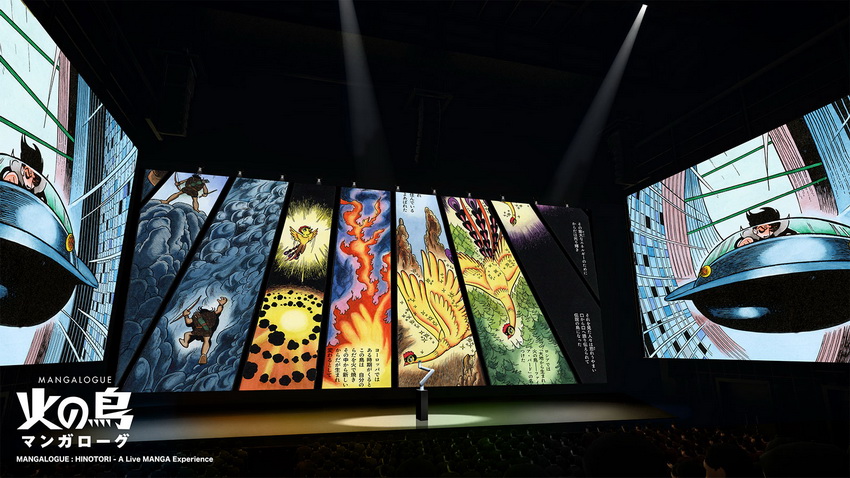
The piece centers on the “Future” chapter of Phoenix, set in the year 3404, and preserves the manga27s pacing and viewpoint rather than adapting it into a conventional film or drama. The presentation bridges half-century-old imagination and contemporary contexts.
Dance, memory, and large-scale staging
As a commemorative performance, the ballet Aleko returns Marc Chagall27s stage backdrops to life using large LED installations. The 83-year-old artwork is projected at scale so that color and brushwork extend into the performers27 movement, creating new rhythmic relationships.
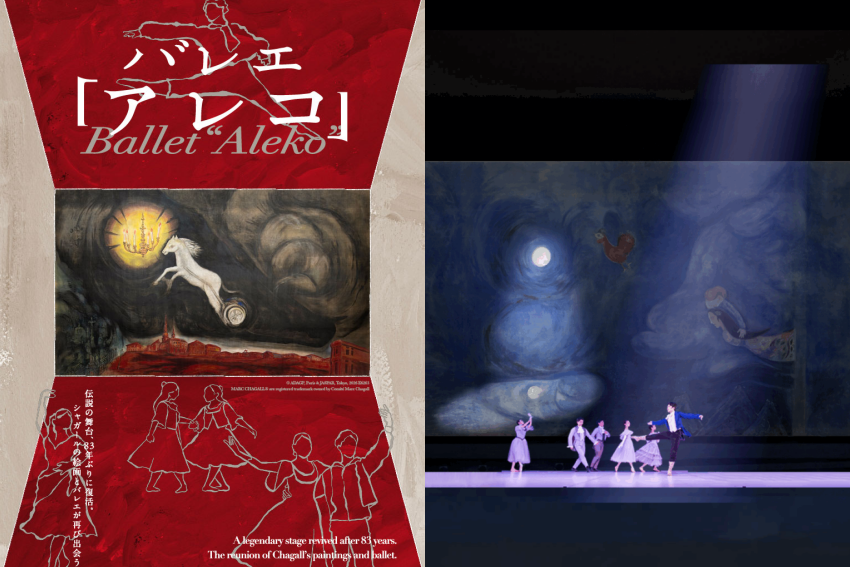
The production was conceived by choreographer Naoya Homma (寶満直也), and it combines different dancers27 interpretations so that static paintings and live movement overlap. The result asks audiences to consider memory and the present in the same space.
Learn more
For program details and schedules related to this Tokyo museum opening, visit the official MoN Takanawa website: https://montakanawa.jp/zh-CHT/.